Recommended for You: This Business, Rebuilt from the Ground Up by AI
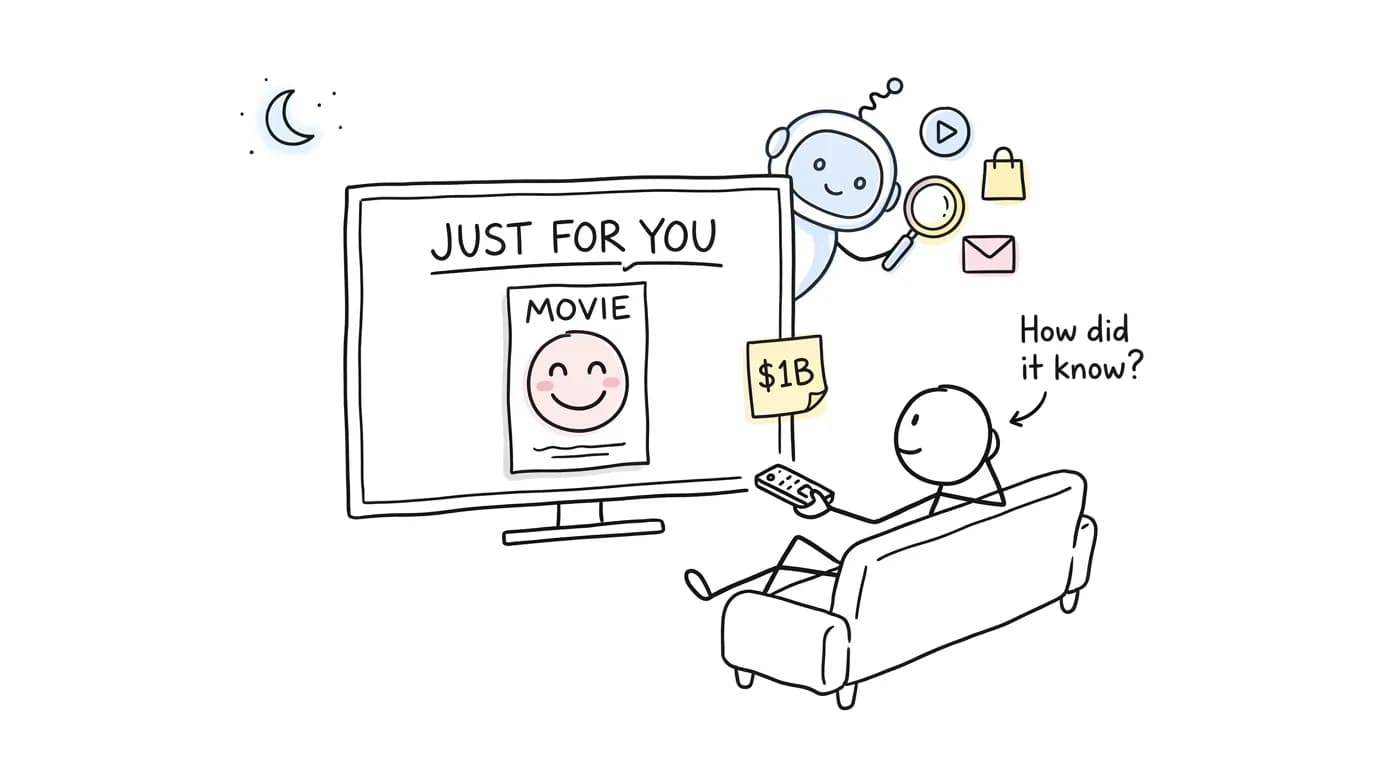
A few nights ago, past midnight, I was sprawled on the couch binge-watching. When an old movie ended and I backed out to the home screen, I froze.

Marketing domains
Practical guides, tutorials, case studies, and YouTube-backed lessons. Some deep content requires a subscription.
1742 items
A few nights ago, past midnight, I was sprawled on the couch binge-watching. When an old movie ended and I backed out to the home screen, I froze.

Marketing domains

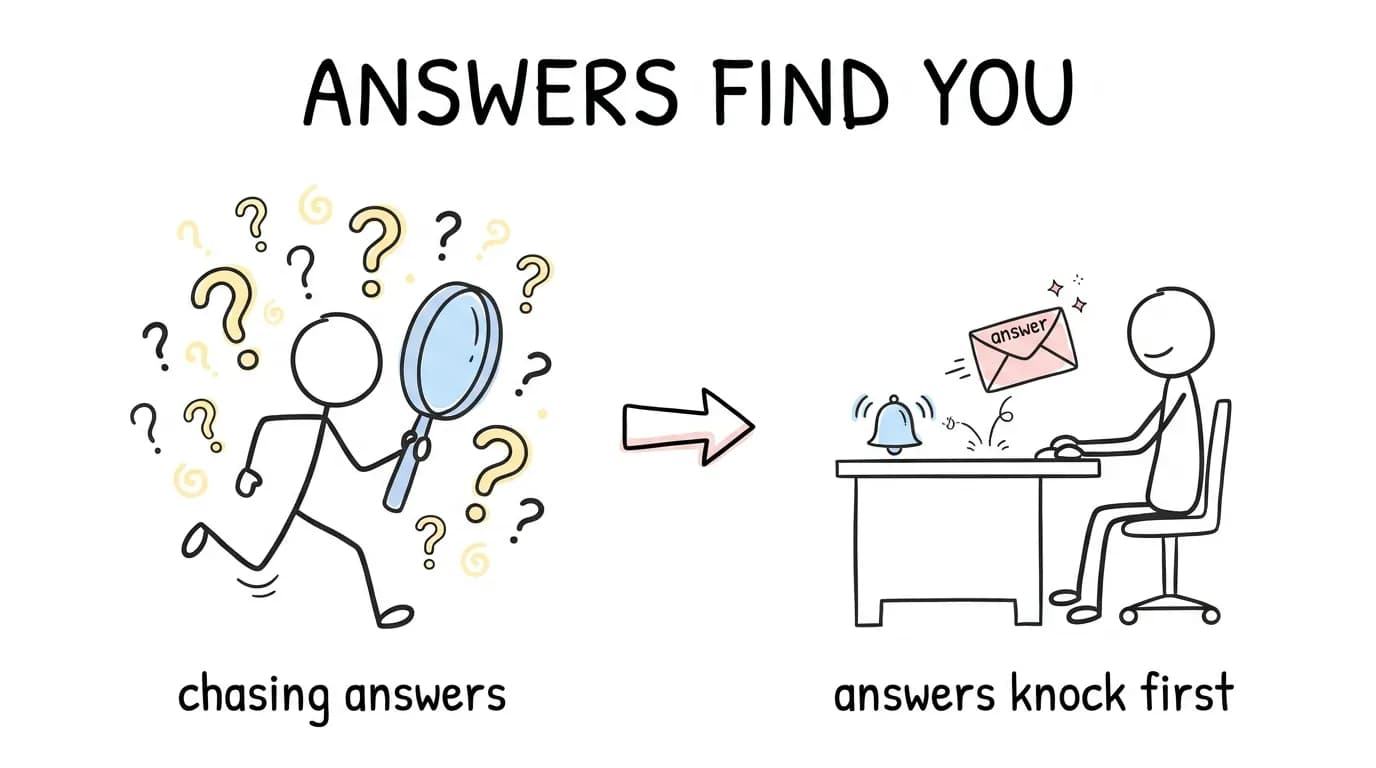
This learn article argues marketing AI is shifting from passive question-answering to proactive intelligence that watches campaign and audience signals and surfaces findings unasked. It stresses that connected data foundations and human judgment still matter, citing Hightouch's Tejas Manohar and industry research.

A long-form B2B marketing article arguing that AI answers now shape buyer research, covering AEO visibility tracking, AI agents, first-party data context, personalization, multi-format content, evidence-based reviews, and revenue team alignment. It closes with six near-term actions for marketing teams.

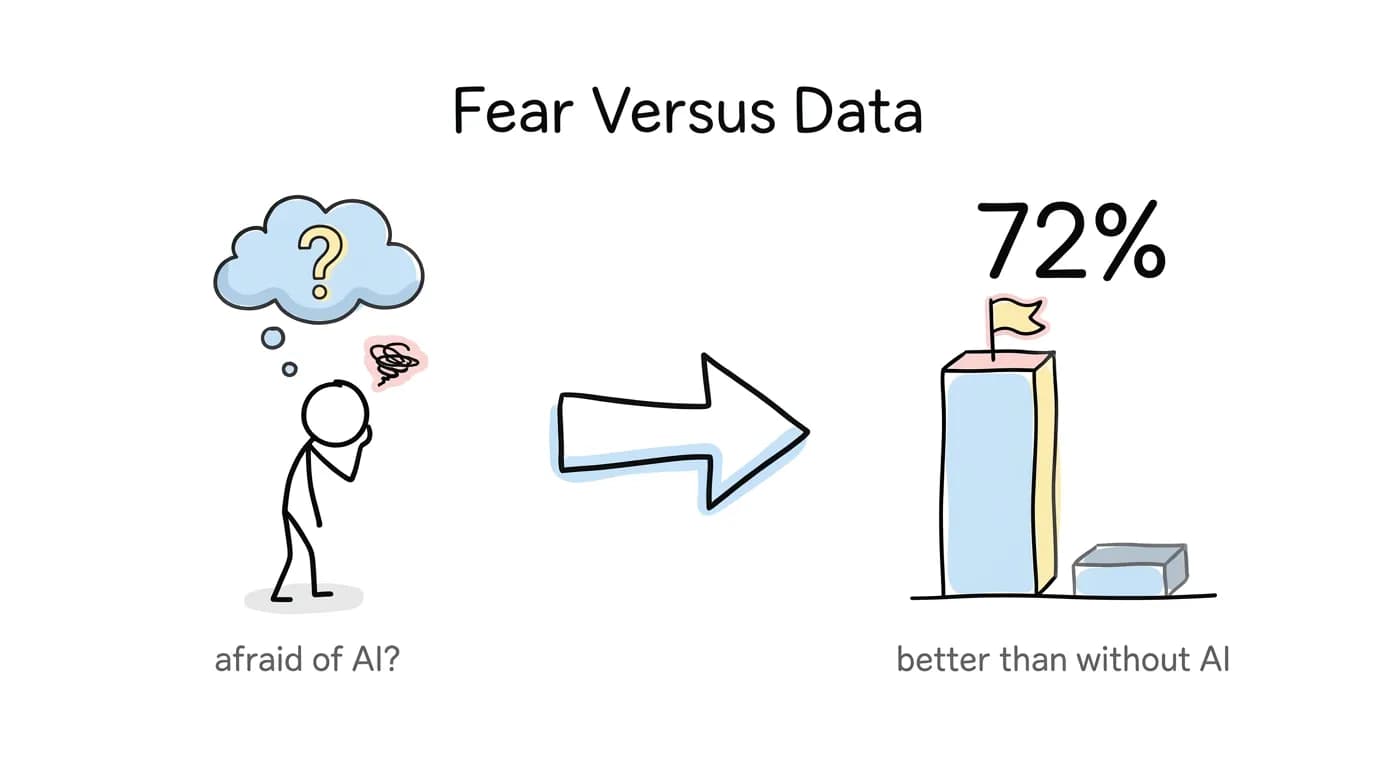
A practical guide to using AI for social media: social listening, content creation, and data analysis, with tool picks by budget tier and three things never to hand to AI. Based on a HubSpot survey of 1,100+ marketers where 72% said AI-assisted content performs better.

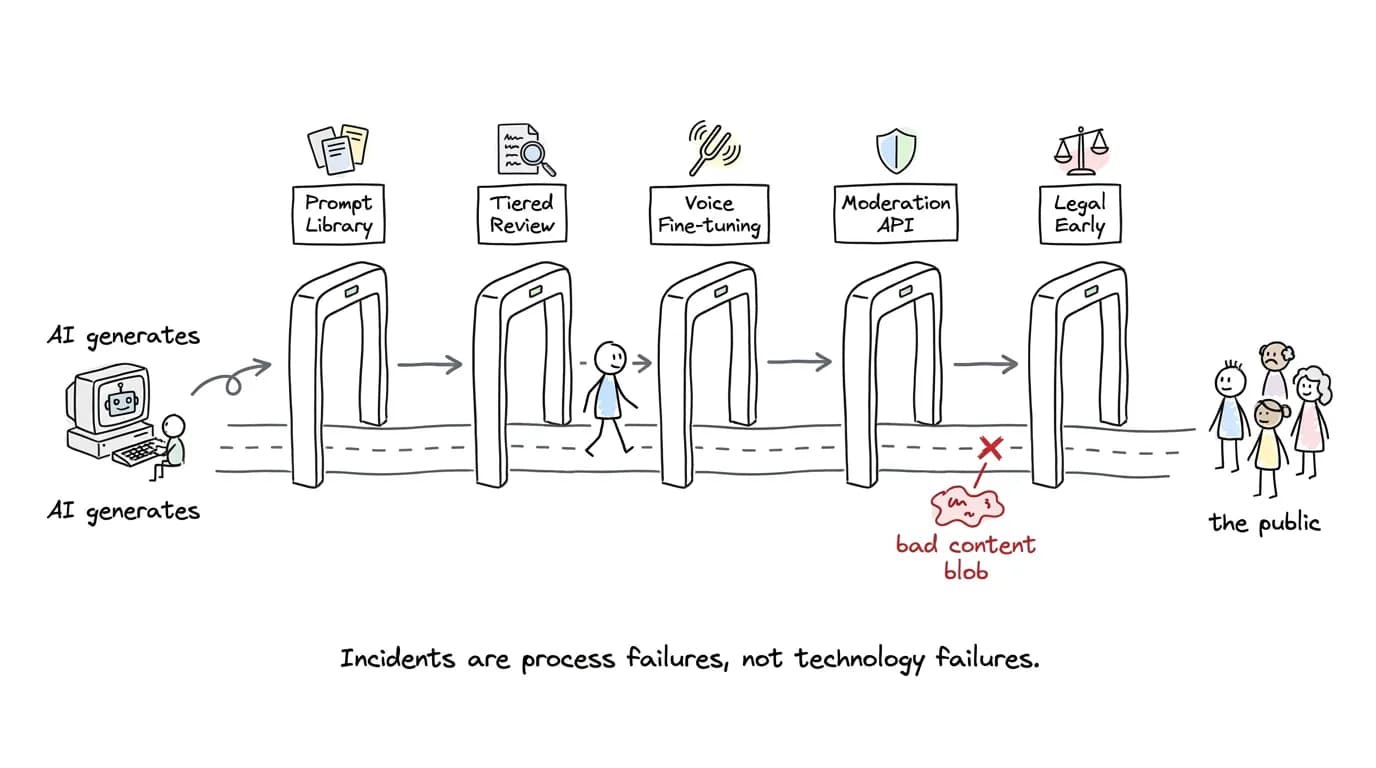
A learn piece on brand safety when using AI for ads, images, and customer service: it walks through real brand incidents, argues failures are process gaps rather than technology problems, and details five guardrail gates plus pre-incident planning for marketing teams.
An introductory article explaining AI personalized marketing, covering machine learning, NLP, and computer vision applications such as recommendations, programmatic ads, email, and chatbots, plus data privacy considerations and regulations like GDPR and CCPA.
An analysis of an industry survey on AI adoption in marketing teams, covering budget share, ROI by use case, common adoption hurdles, and governance practices.
This learn article explains Germany's informal paper to the EU proposing a major overhaul of the Audiovisual Media Services Directive (AVMSD): loosening restrictions on broadcasters while extending media obligations to platforms, influencers, and some AI services. It also notes the proposal remains far from becoming EU
A learn article arguing that marketing case studies should shift from vanity metrics like engagement to business outcomes such as ROI, CAC, and CLV, with AI-driven analysis, failure post-mortems, and data ethics as part of the evidence.
A learn article explaining the difference between AI tools and AI agents in cross-border e-commerce, covering listings, ads, pricing, inventory, and customer service monitoring. It also notes that buyers increasingly use AI shopping assistants when researching products.
A learn article collecting 25 brand case studies of AI marketing, grouped into four plays: turning users into broadcasters, cutting production costs, pushing personalization to the extreme, and setting rules to earn trust.
An explainer on Article 50 of the EU AI Act (effective August 2, 2026): when chatbots must identify themselves, deepfake ads need disclosure, generative outputs carry machine-readable markings, and AI-written public-interest text has special rules, plus vendor-contract and internal-policy takeaways.
Commentary on a Mediaocean survey of 500+ marketers reporting search advertising spend fell 22% in H2 2025, attributed to AI answers displacing clicks, with budgets shifting toward AI, connected TV, and identity, plus concerns over privacy compliance and data unification.
A learn article breaks down ten AI marketing case studies with published numbers, grouped into content creation, personalized recommendation, customer service chat, and predictive targeting, and closes with five steps for checking each metric's source and baseline.
A learn article on why teams using the same AI tools get different marketing results, with cases from Cosabella, JPMorgan Chase, and Stitch Fix. It outlines five foundations—structured inputs, brand voice rules, human review gates, clear ownership, and feedback loops—for AI marketing workflows.
Based on a StackAdapt global survey, this learn piece reviews how AI is reshaping marketing and advertising across creative production, prediction, automation, assistants, personalization, and reporting. Its central thesis: AI does the work, while humans retain judgment over goals, approvals, and brand decisions.
An analysis of how AI assistants now sit between brands and consumers, intercepting scheduled campaigns, and why marketing workflows need end-to-end redesign rather than AI bolted onto old processes.
A learn article examines how ad operations may shift from humans monitoring dashboards to AI agents executing account changes across Google Ads and Meta, including budget reallocation, audience syncing, and agency workflows. It discusses a staged adoption path with guardrails and notes the guide is vendor-published.
Explores the 'trust signal paradox': credibility-tool vendors are often absent from AI-generated platform recommendations. A twelve-vendor MarTech roundup shows how visibility compounds via research, analyst listings, verified data, and reviews; buyers should widen AI shortlists, vendors build citable assets.
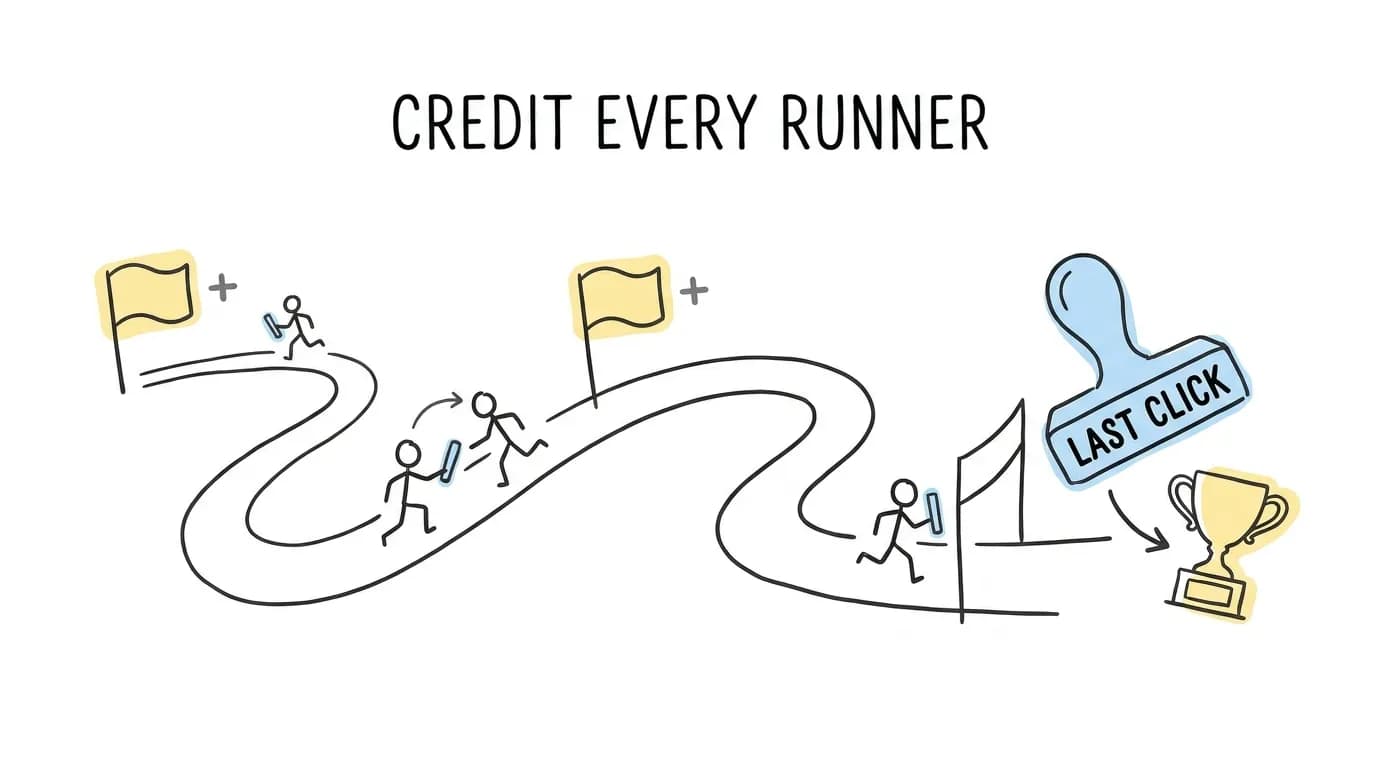
An explainer on why last-click channel reports can overstate credit during peak season, and how holdout tests and incremental ROAS can help verify which channels drive real incremental sales.
A learn article contrasting static segment-based CRM emails with AI personalization that adapts content, timing, and channel to individual behavior, discussing a six-stage framework and use cases across marketing, sales, and support.
A Metric Sherpa study shows 92% of organizations say AI met expectations, but only 27% can produce evidence. Learn why pre-launch baselines, independent verification, and named outcome owners turn unprovable AI claims into budget-ready results.

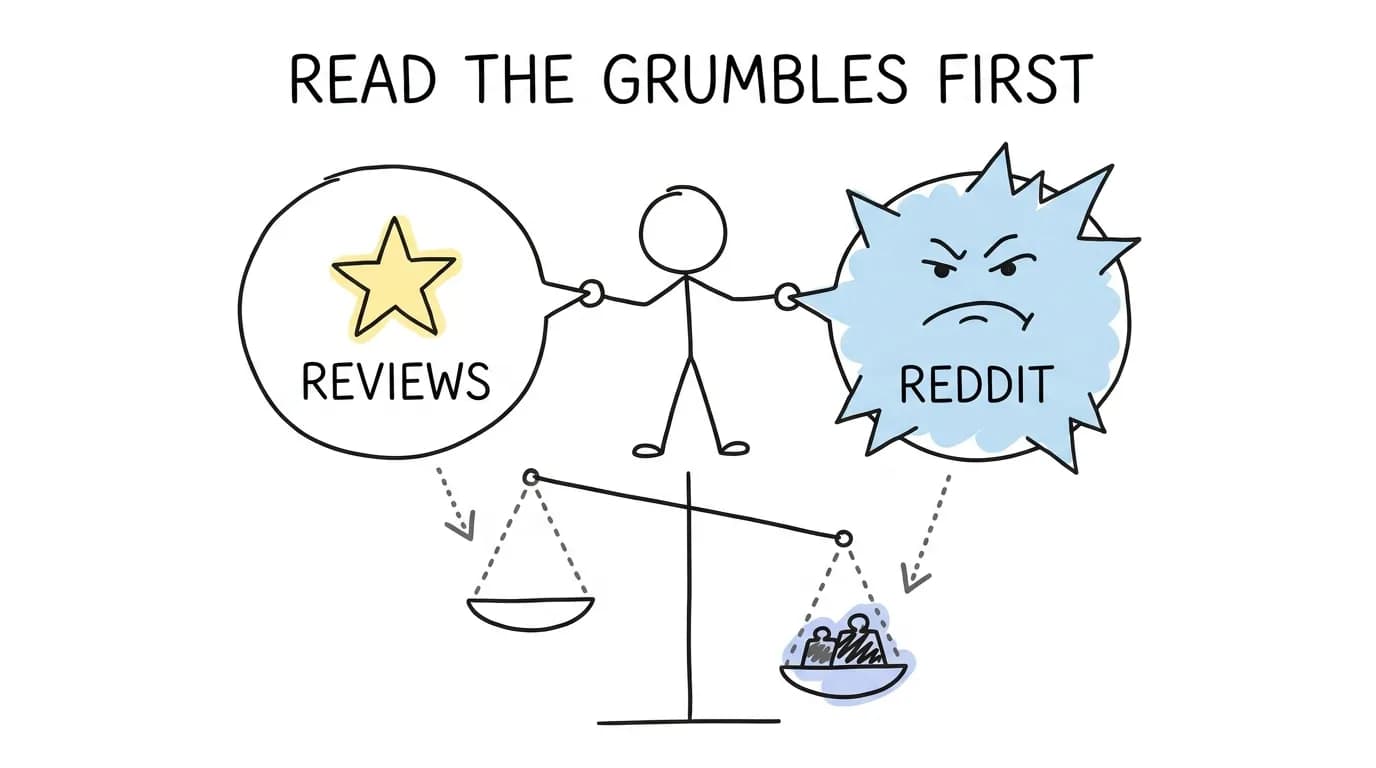
A learn article on AI marketing tool procurement argues that vendor demos miss real-world flaws, and recommends checking Reddit user complaints about billing and data migration before buying. It also highlights a review method combining hands-on testing with community feedback and weighted scoring.

A learn article on AI-driven customer experience: how machine learning, real-time behavioral tracking, and content integration combine to personalize the journey, why industry figures like a 40% satisfaction lift shouldn't become KPIs, and a rollout starting with recommendation slots.

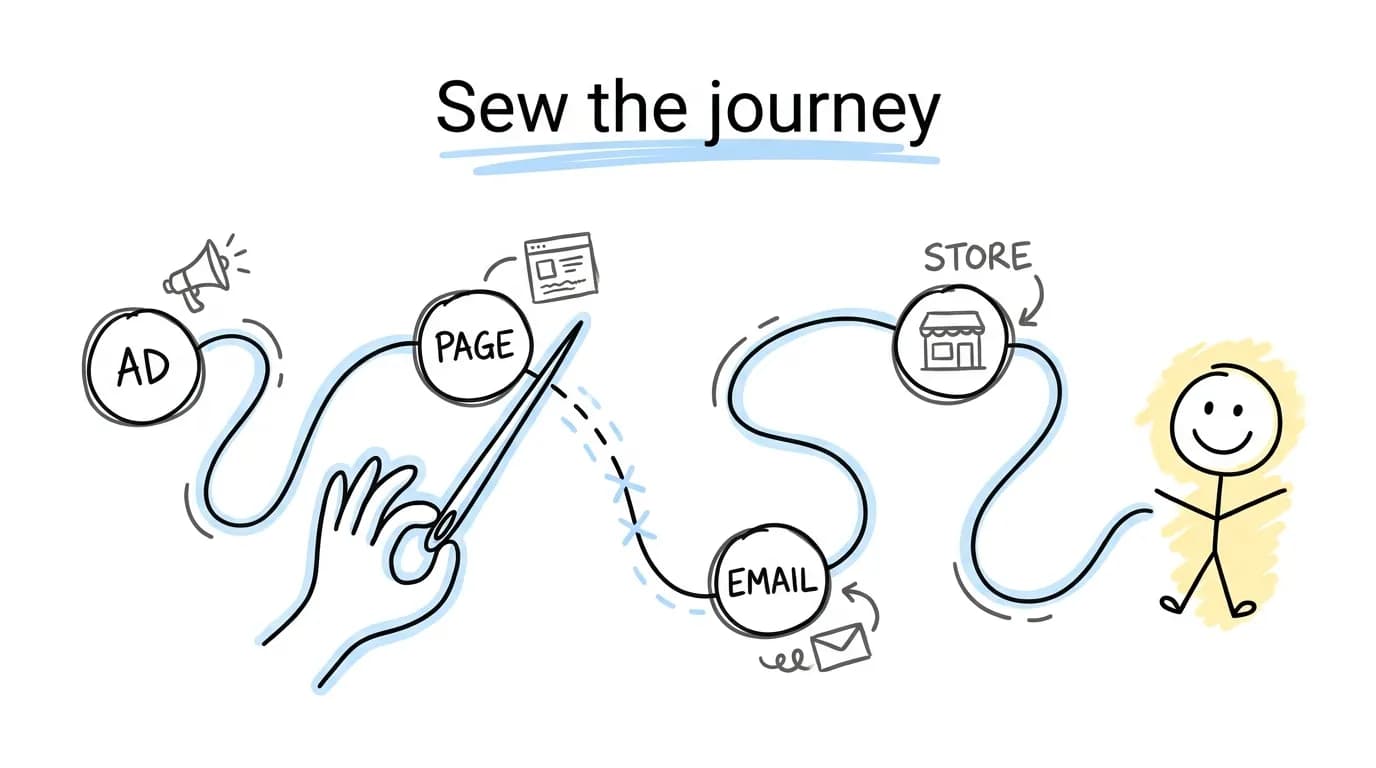
A learn article arguing that attribution is the most overlooked yet most valuable group in AI marketing tool rankings, explaining multi-touch attribution versus last-click, buyer-fit guidance, and three practical steps for using a 15-tool comparison table.

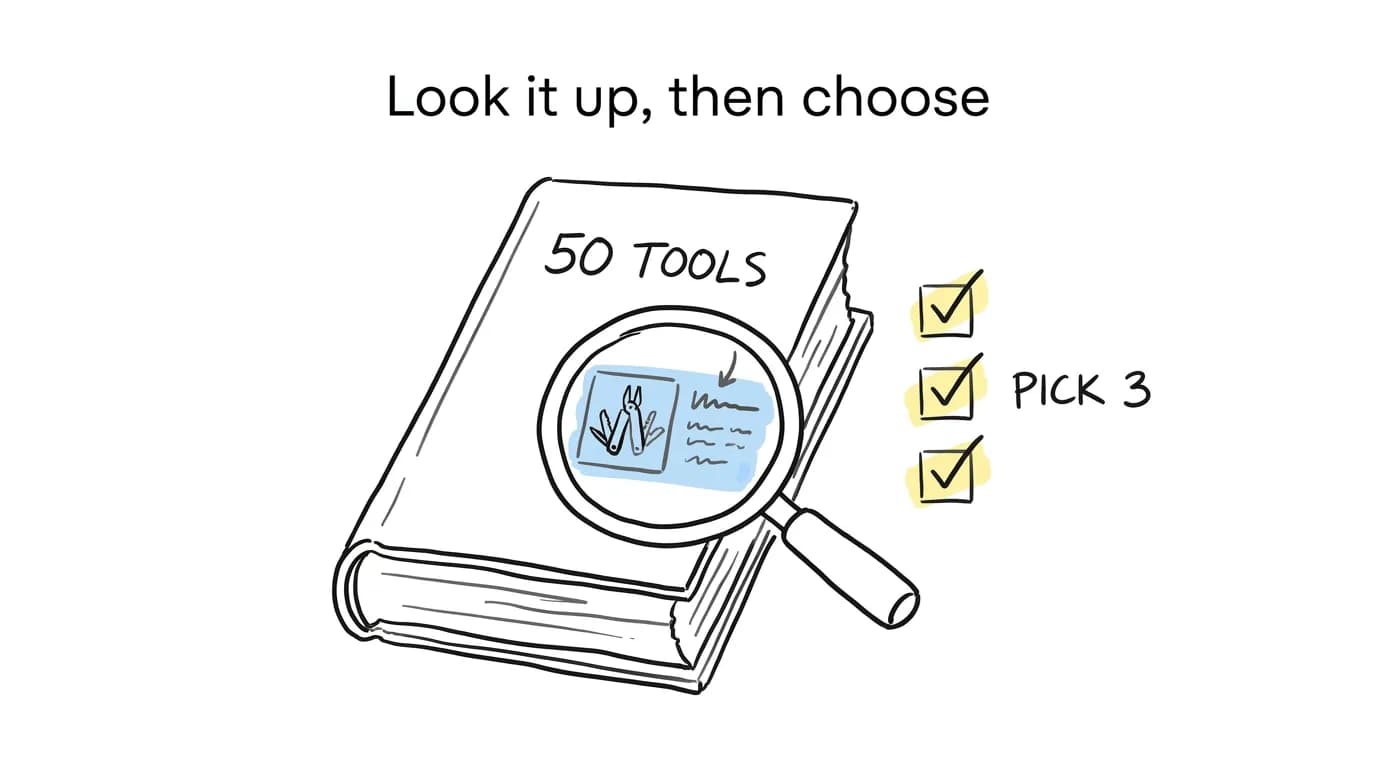
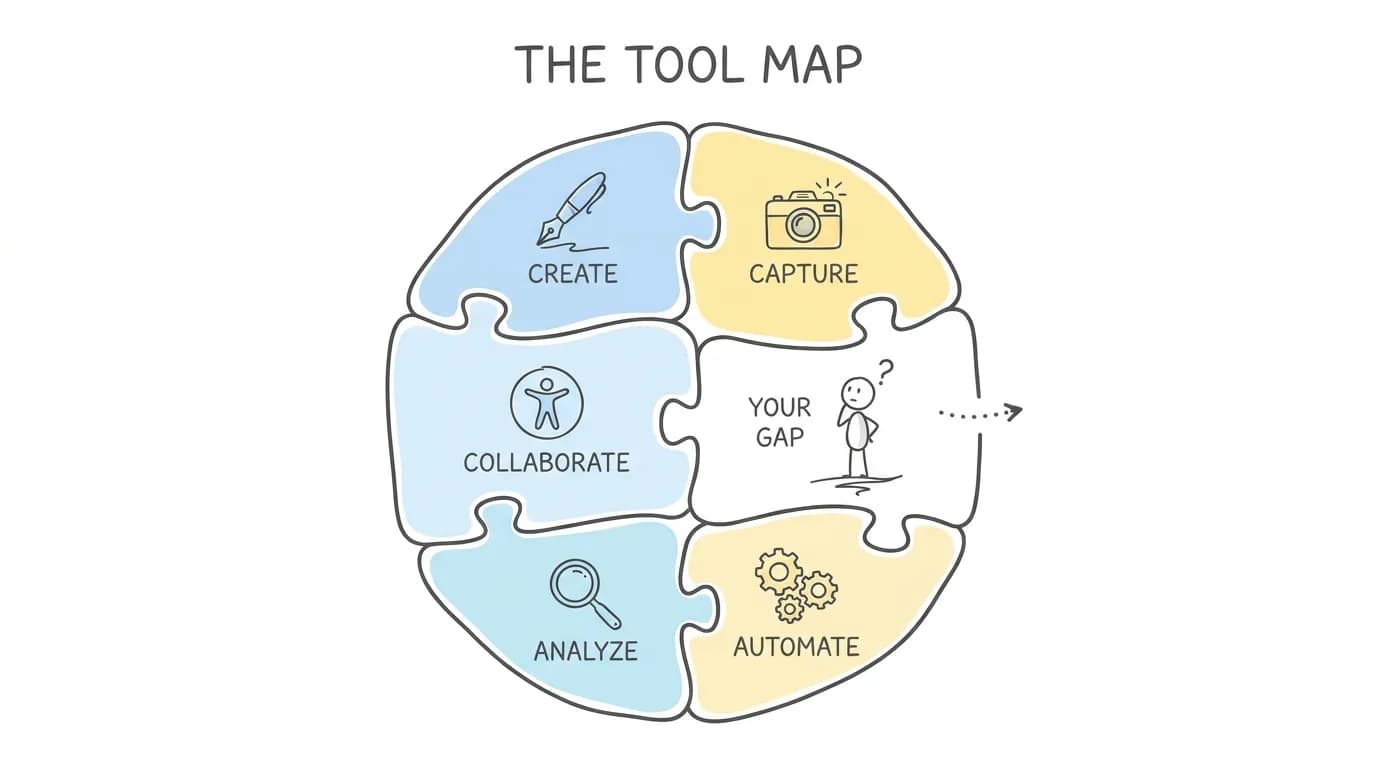
A learn article reviewing a panorama of 50 AI marketing tools grouped by workflow, plus a three-step team filtering method for selecting candidates and assessing adoption.

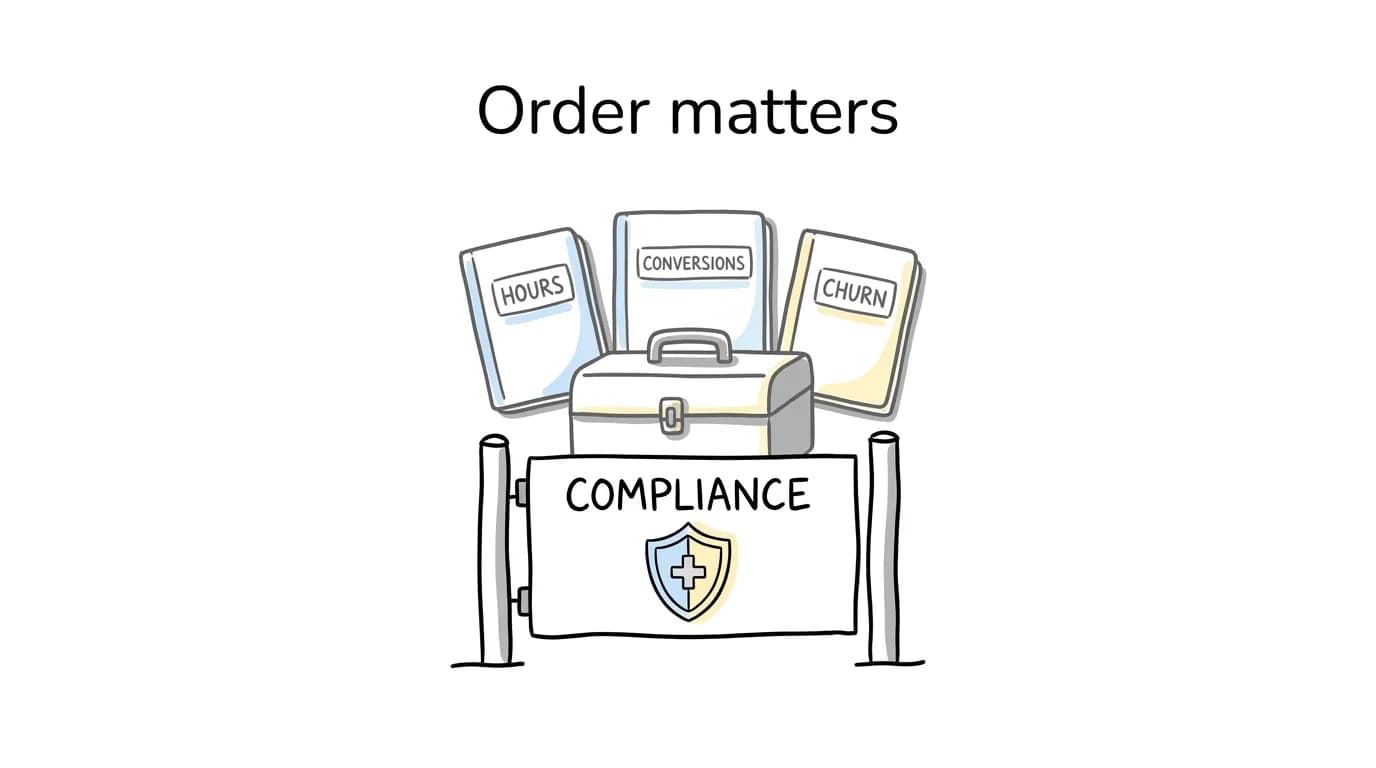
A commentary on a DACH-region AI marketing guide that places data-protection checks first in tool selection, splits AI returns into three ROI ledgers (hours saved, conversion lift, churn reduction), and compares n8n, Zapier, and Make for workflow automation.

An overview of a guide that maps 16 AI marketing tools into five blocks, including content, visual, SEO and AEO, automation, and personalization, plus six selection criteria and a two-week integration gate for tool procurement.

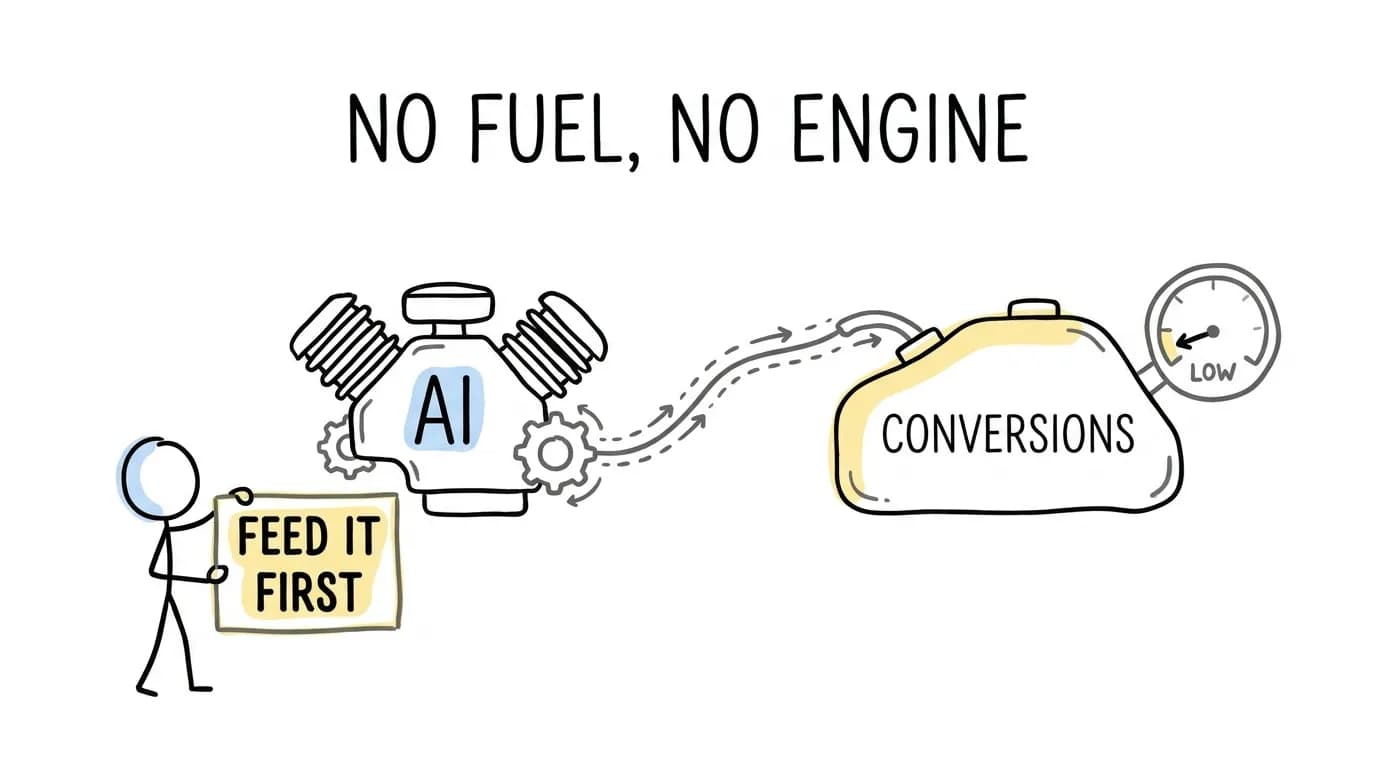
An overview of eight ad-automation tools and how to match them to your monthly conversion volume, with rules-based automation suggested for low-volume teams and AI optimizers for high-volume ones, plus a caution list on trials and opaque pricing.

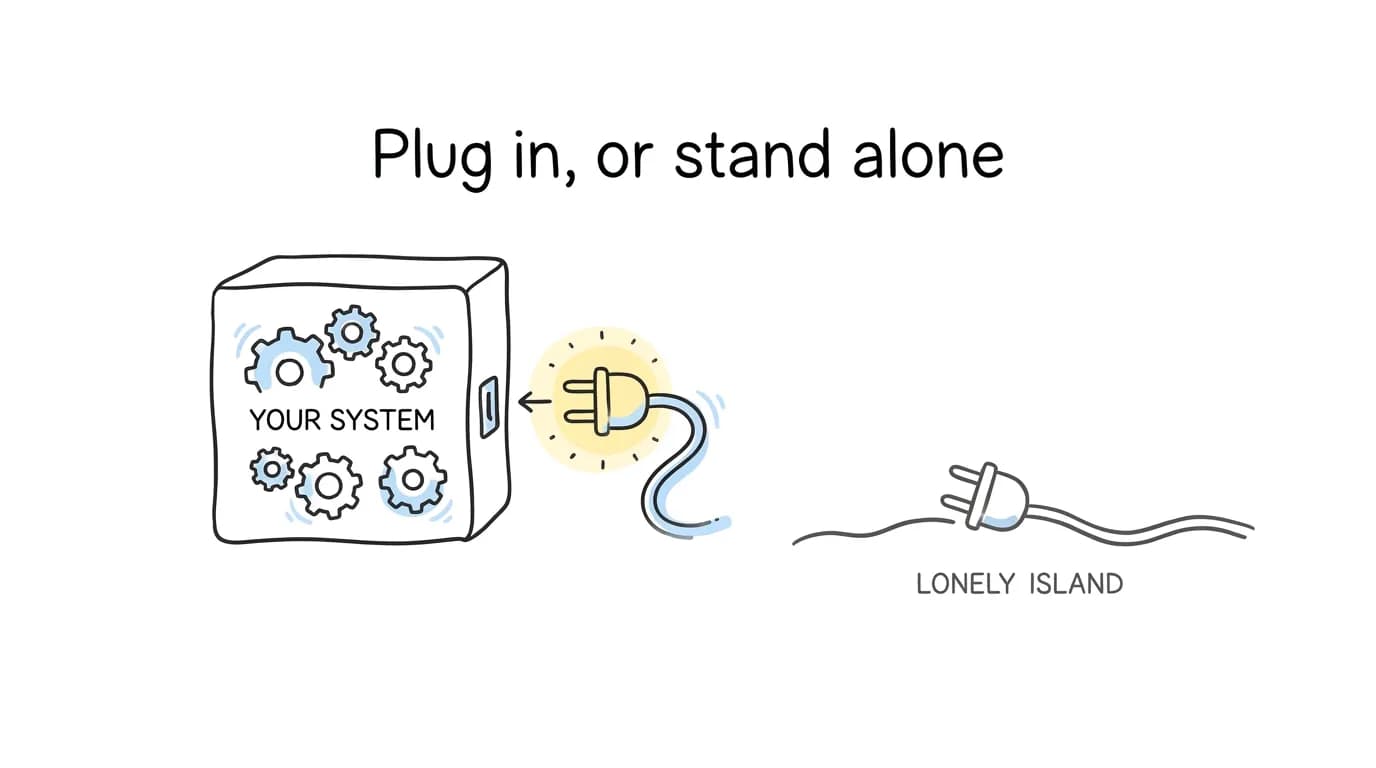
This article argues that AI tool selection should favor tools that embed into existing workflows over standalone generators. It proposes five criteria — speed, relevance, consistency, insight, execution — and compares ChatGPT, HubSpot Breeze, Jasper, and Canva AI, with a two-week integration gate for new tools.

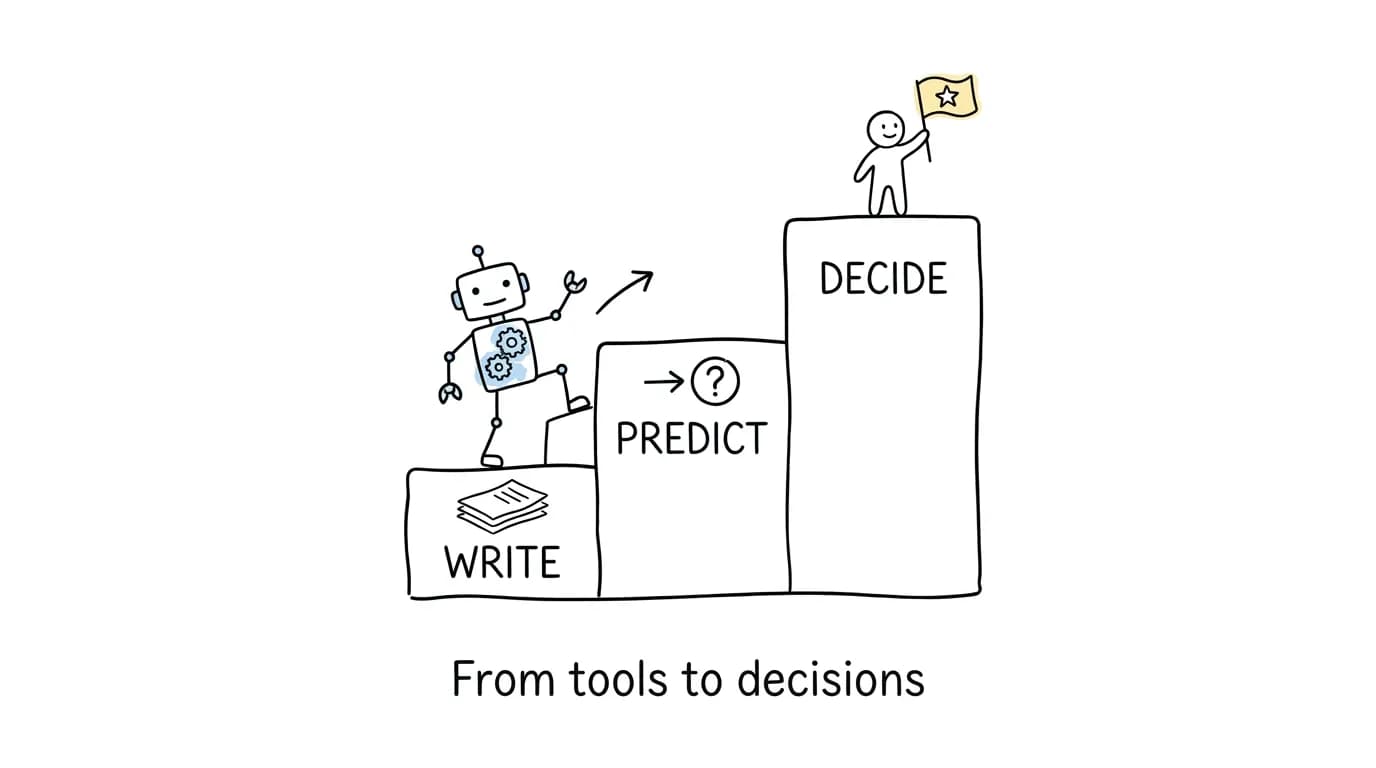
A learn article arguing that AI marketing value comes from decisions, not copywriting: predictive churn intervention, lifetime-value-based acquisition, and incrementality-based budget allocation, plus a three-step starting path and a warning that unconnected data is the main blocker.

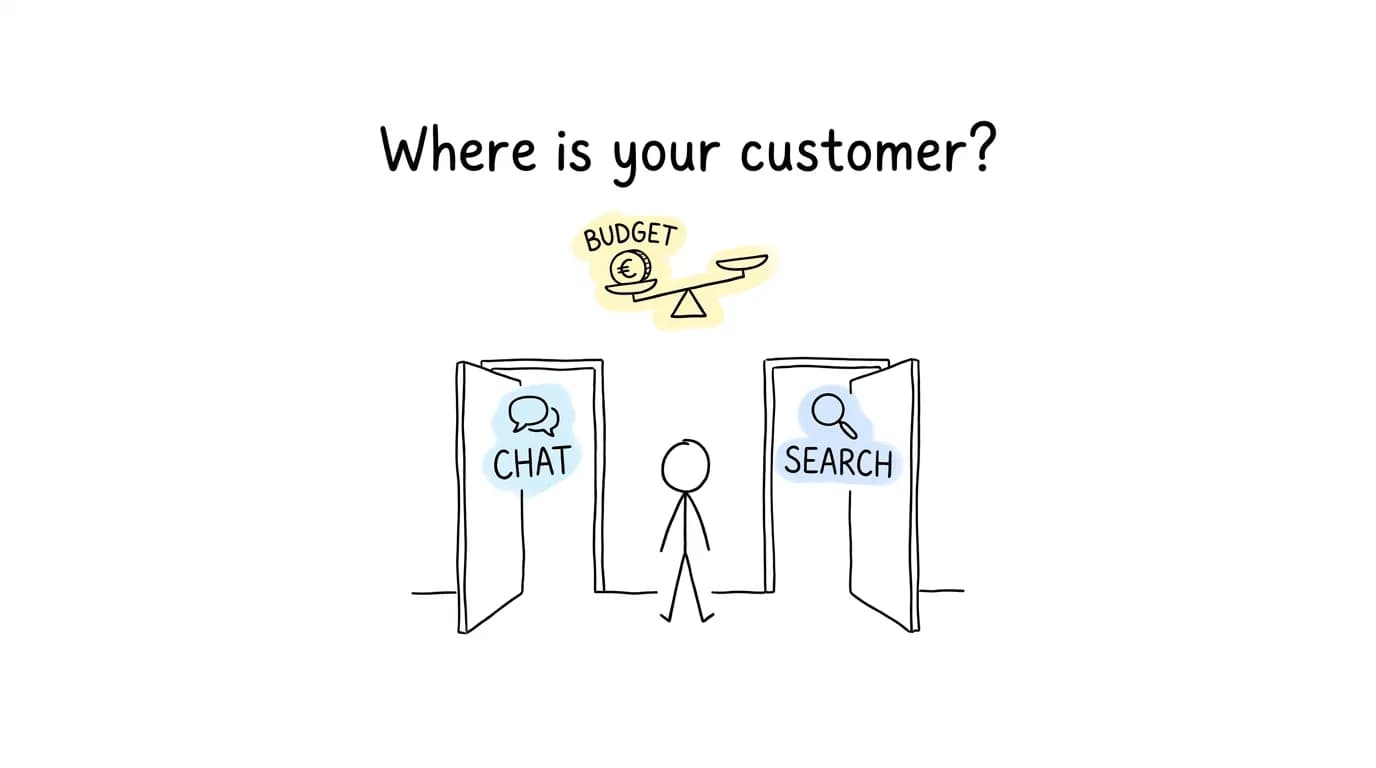
A media buying analysis comparing Google search ads with the new ChatGPT ad placements, covering differences in buying logic, creative limits, attribution, and user intent, plus a five-step hedge test for splitting a small budget share.

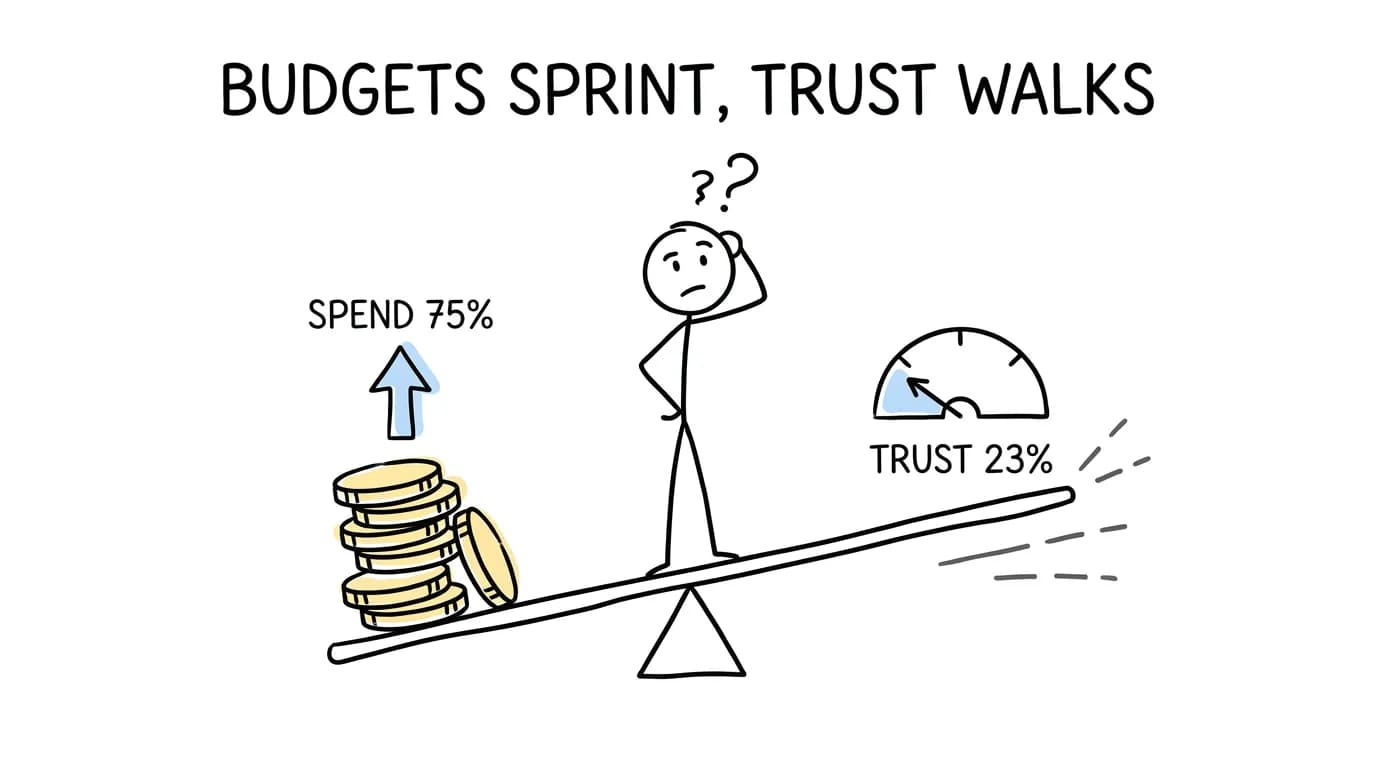
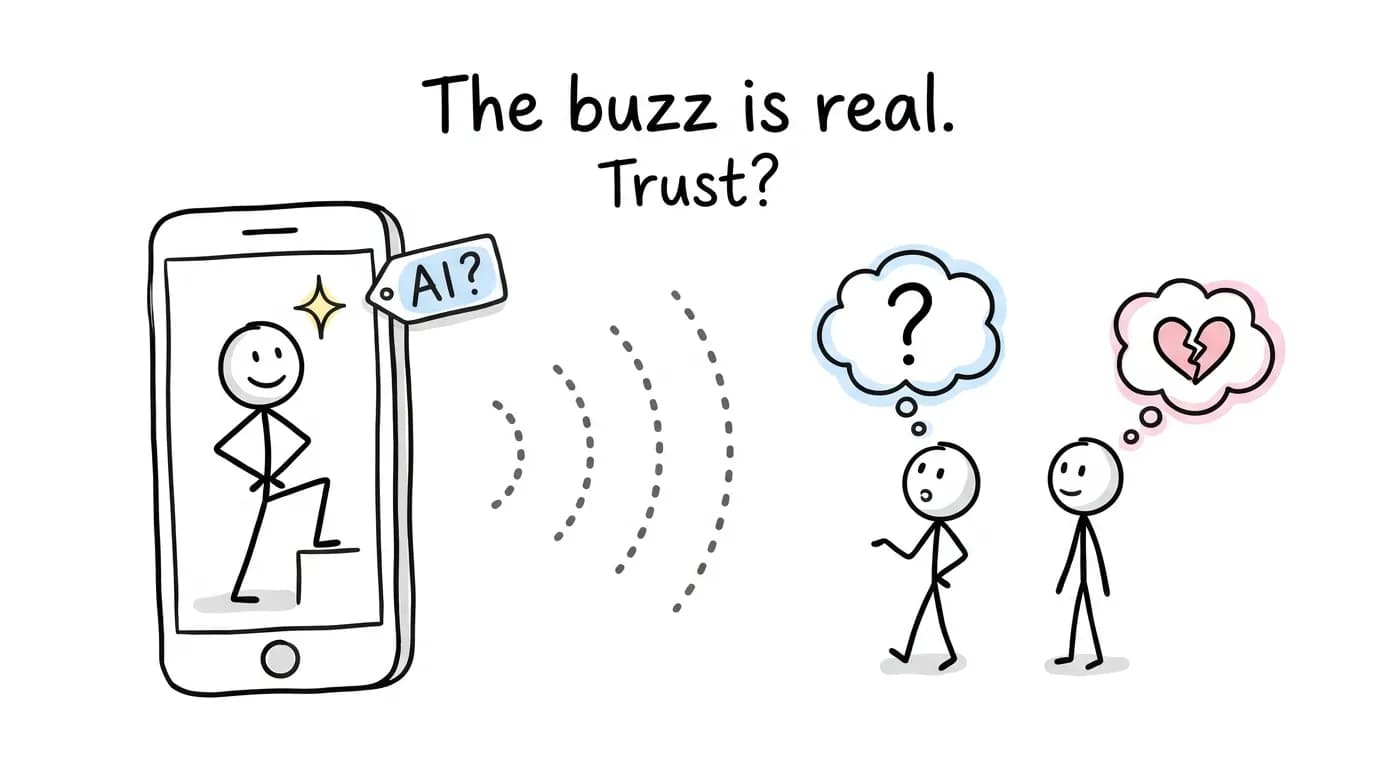
Summarizes Kantar's Media Reactions 2026 study of 800+ marketers and 23,000 consumers, contrasting growing AI-assistant budgets with low consumer use and trust in AI brand recommendations, and suggesting synergy-aware channel measurement plus a trust funnel metric.

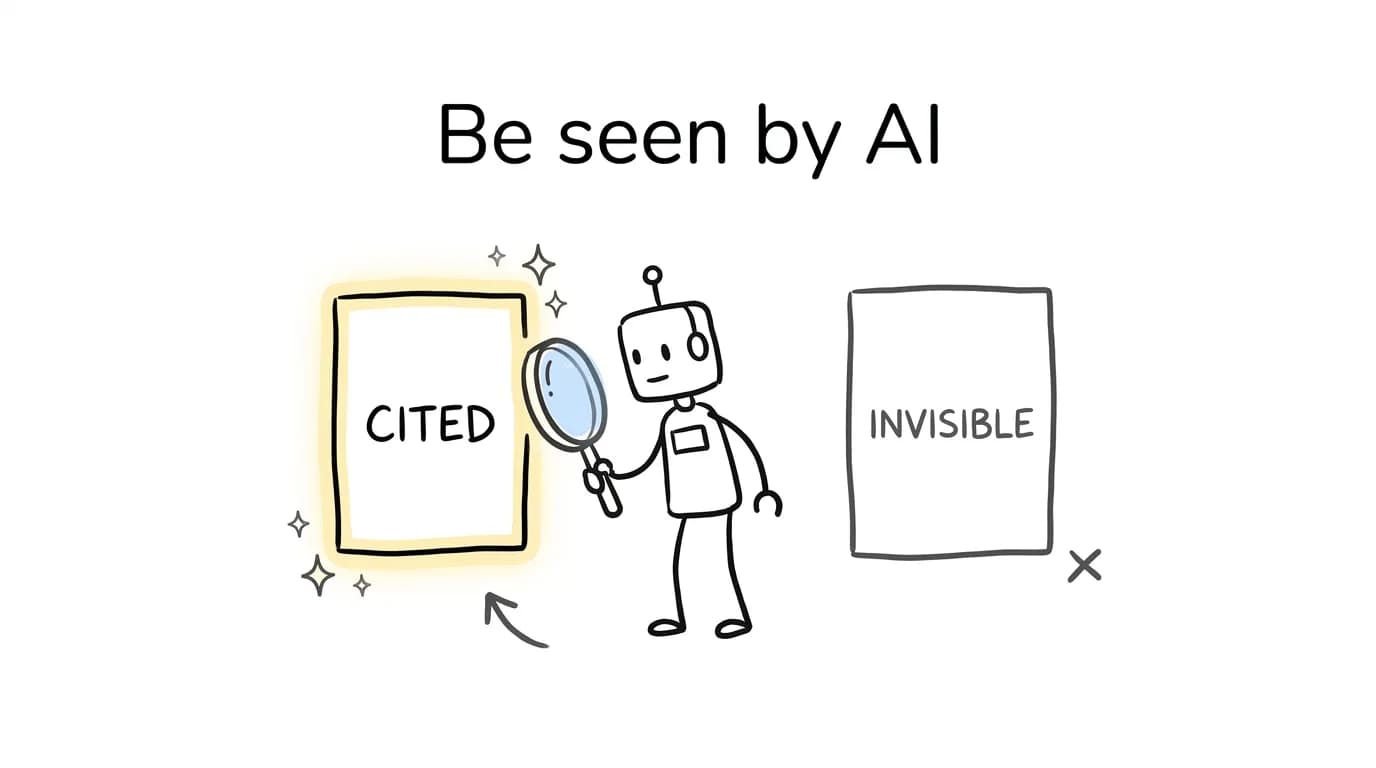
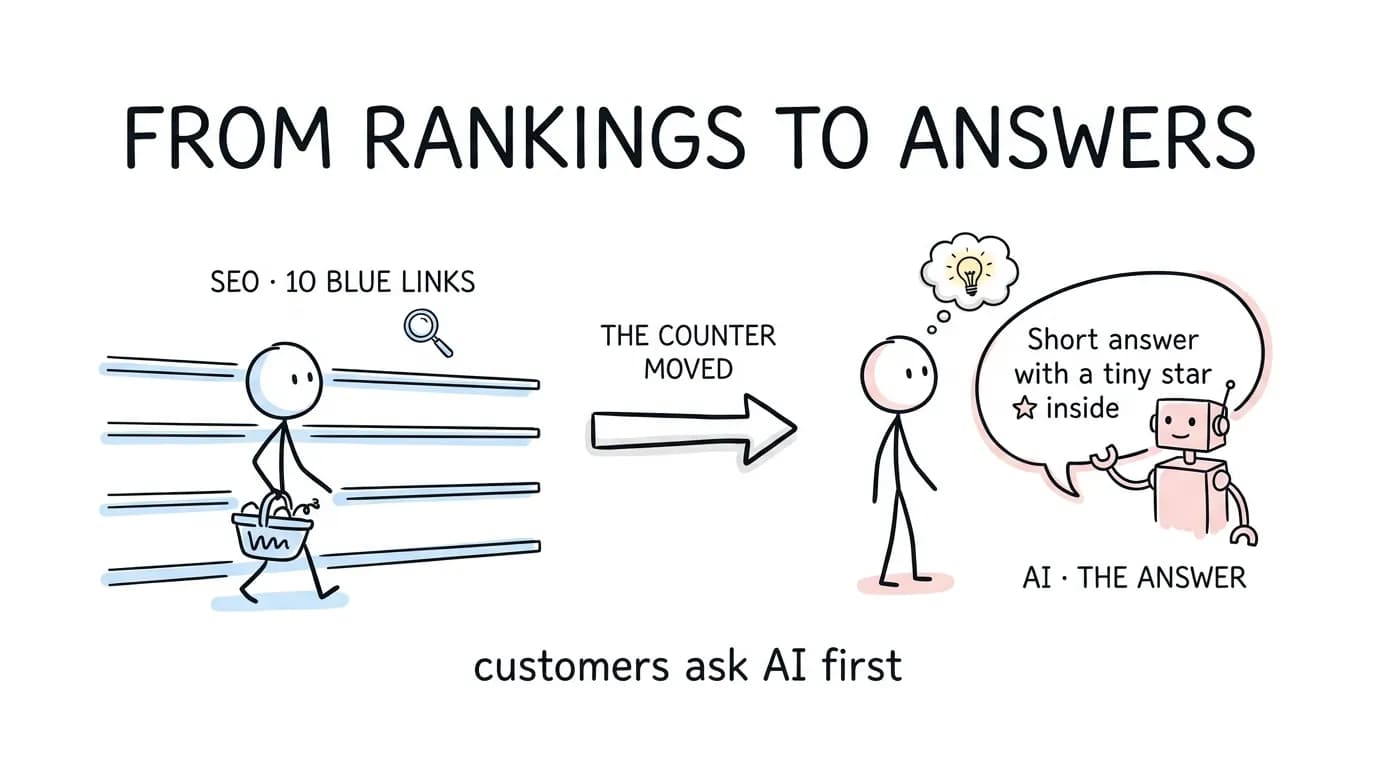
Everyone uses AI to produce content, yet most brands never appear in AI answers. This article explains why GEO — not SEO — now decides visibility, reviews tools that track AI share of voice, and shares a practical path: baseline testing, content audits, and repurposing workflows that win citations.

A learn article summarizing a marketing interview with Typeform's global VP of marketing on how zero-click AI answers and AI-generated content are reshaping marketing workflows. It covers her points on acting on customer feedback rather than accumulating more data.

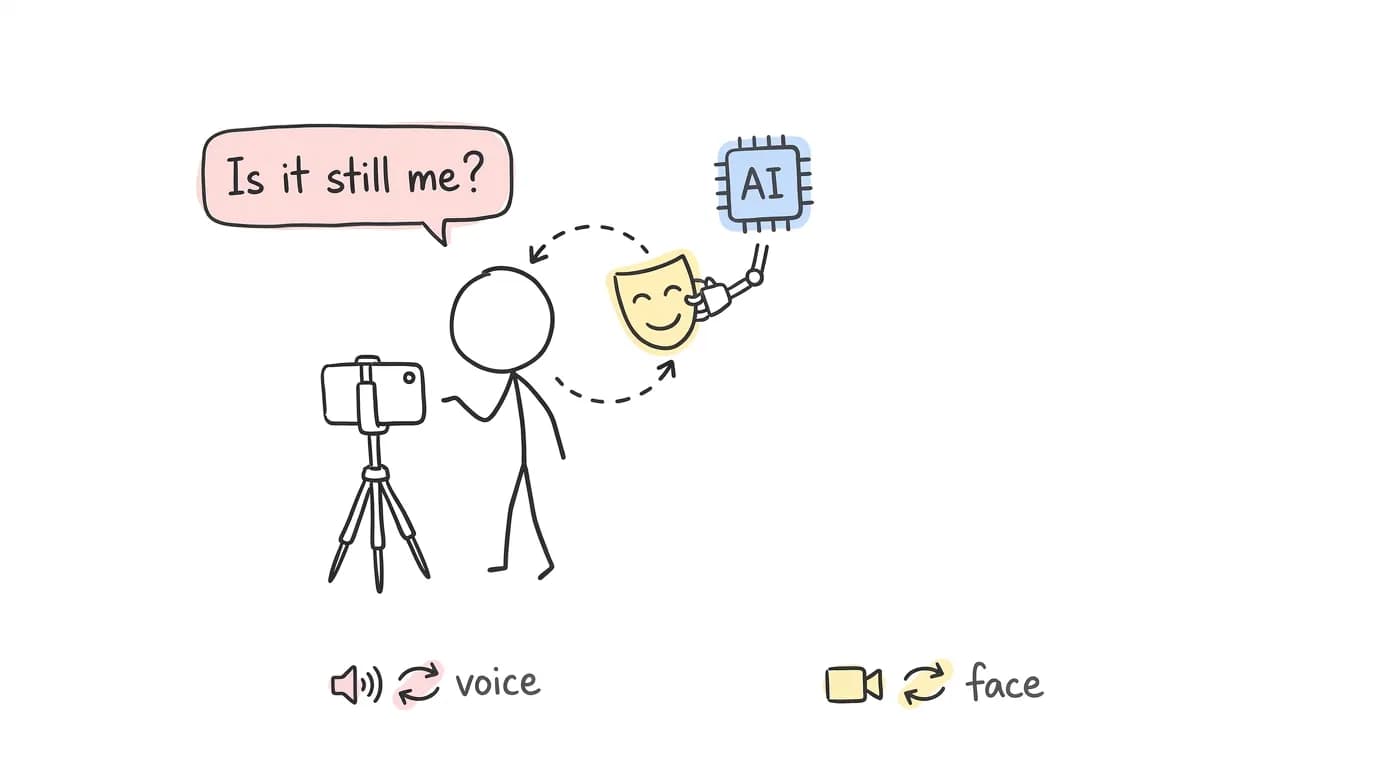
A learn article on how generative AI is reshaping influencer marketing, covering AI-assisted creator content, digital doubles, and consumer trust concerns. It argues that transparency and labeling matter more than adoption volume.

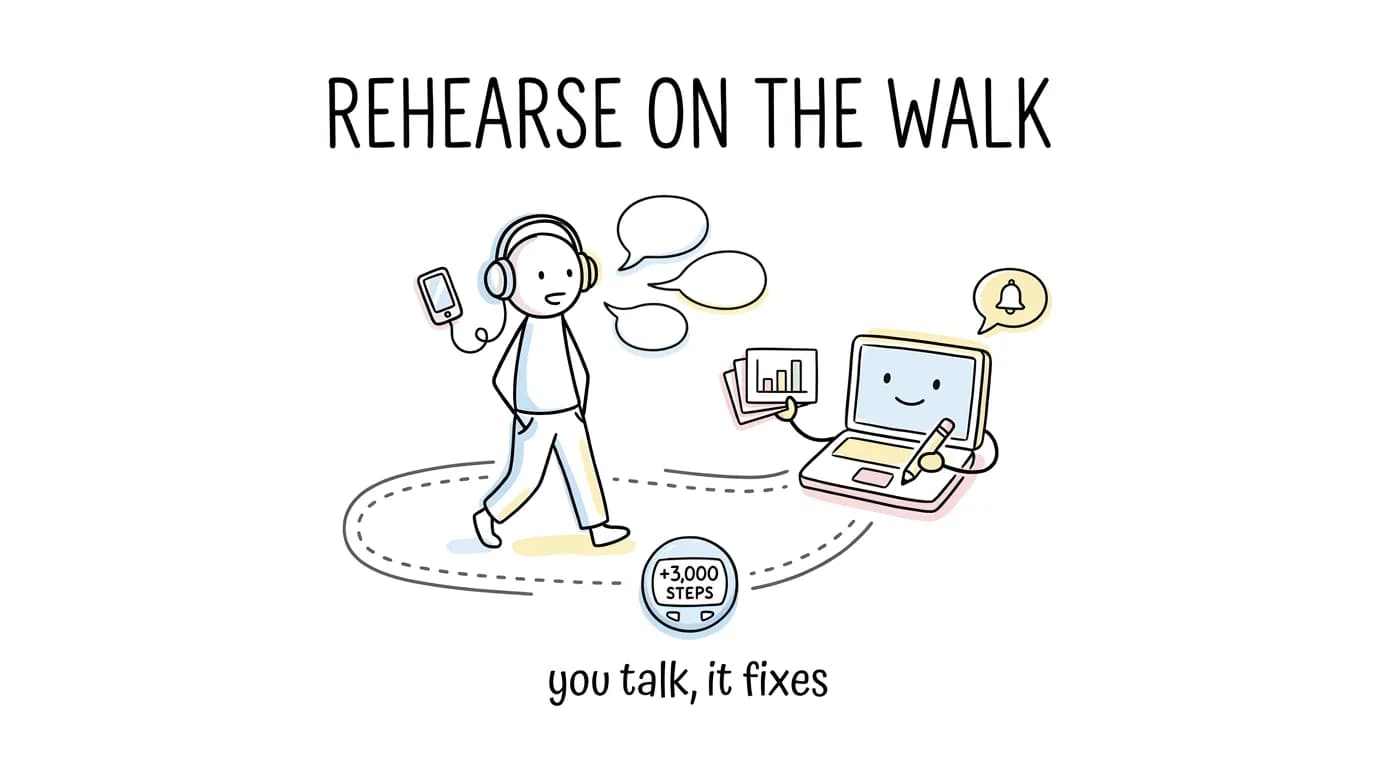
A first-person account of rehearsing a talk while walking, pairing ChatGPT voice on a phone with Codex on a computer as a voice-first rehearsal partner, including a five-step setup and why the routine fits existing habits.

A learn article explaining GEO (Generative Engine Optimization), how it relates to SEO, and why brands are optimizing content to be cited in AI-generated answers. It covers practical tactics such as making content easy for AI to find and cite, plus measurement shifts beyond rankings and traffic.

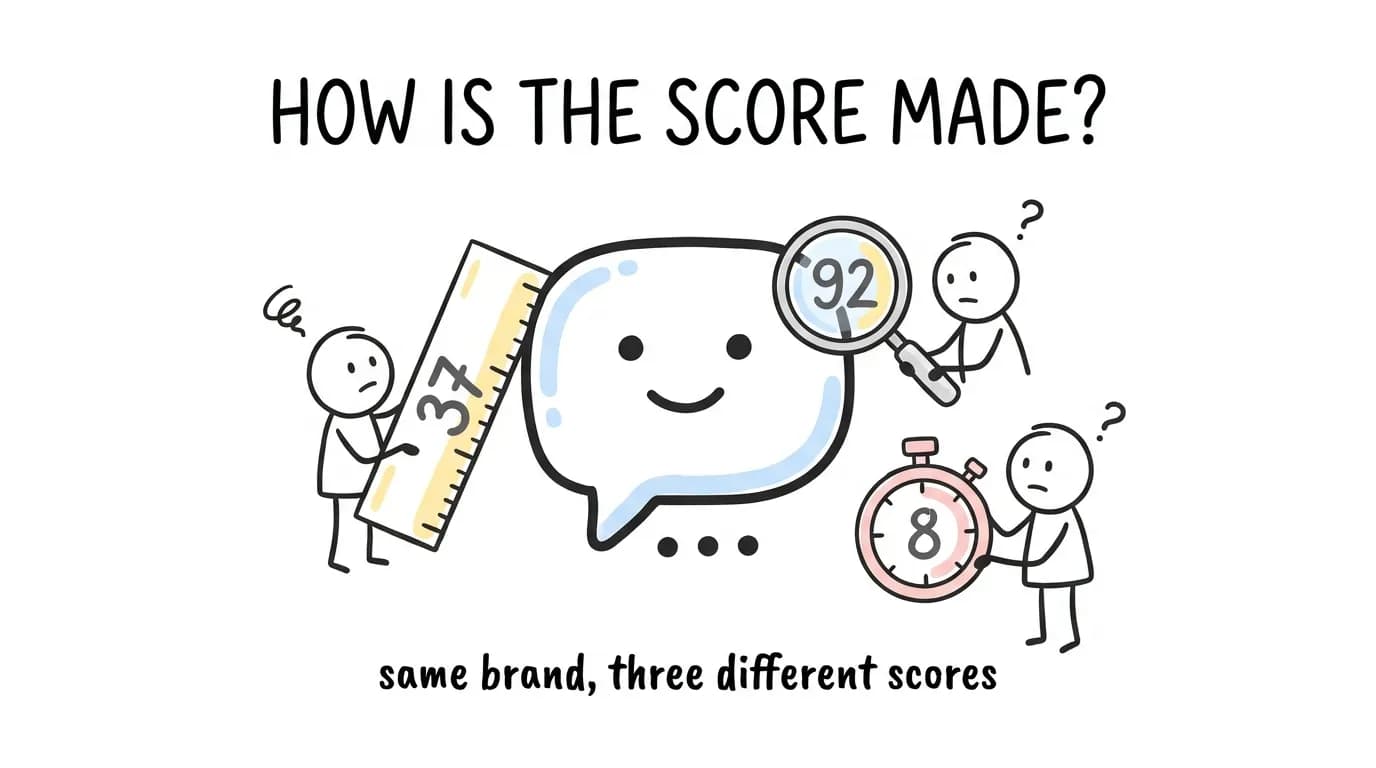
A learn article comparing Profound, Peec AI, and HubSpot AEO tools, covering how visibility scores are measured, analysis and publishing capabilities, pricing tiers, and compliance certifications. It offers guidance on choosing a tool based on team size, markets, and existing platforms.

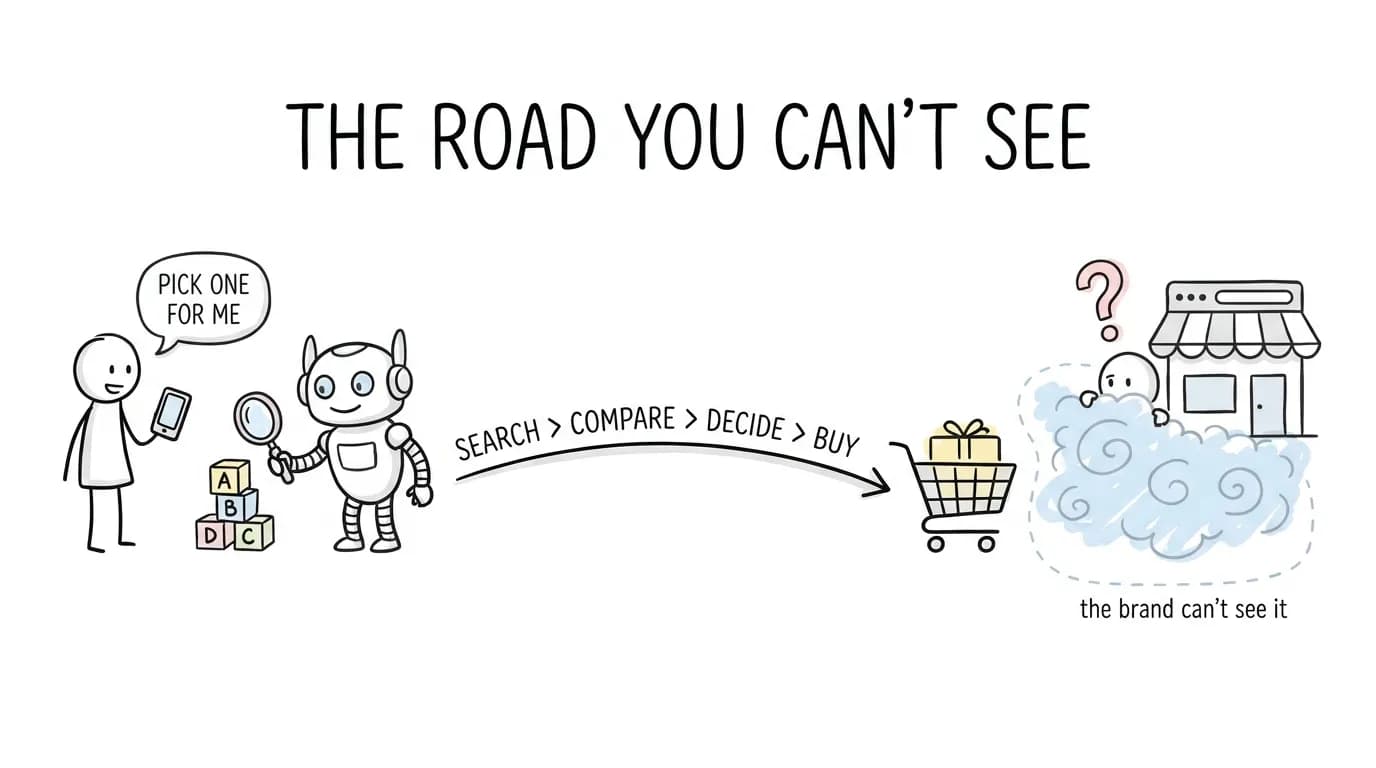
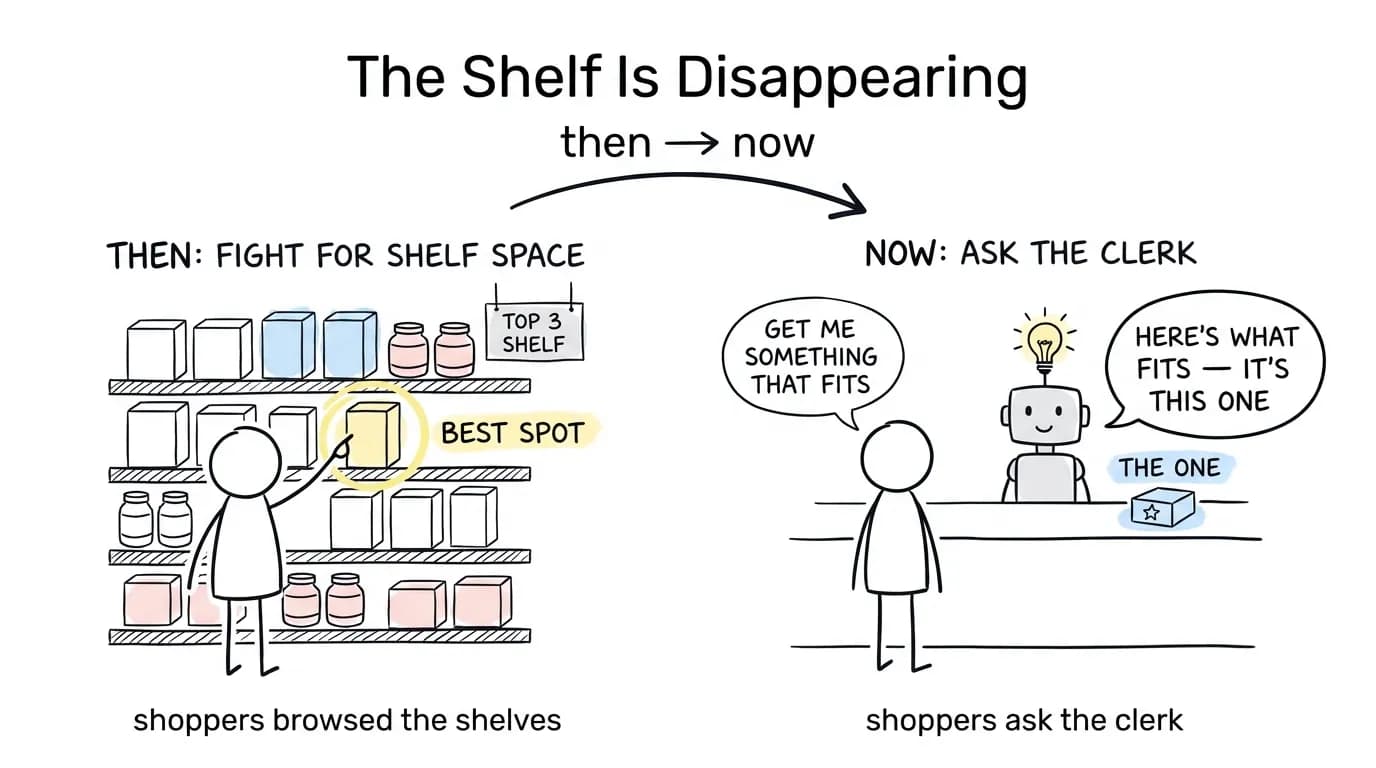
An article on how customers now research and buy through AI assistants, leaving brands blind to how purchases happen. It outlines three shifts: always-on AI-first marketing, machine-readable brand knowledge so AI can find and recommend you (AEO/GEO), and hybrid AI-marketing team capabilities.

An analysis of AI-altered influencer content, framed by a creator's lawsuit against a brand over AI-edited footage (allegations only, case withdrawn). Covers industry disclosure expectations, Turkey/EU/US regulatory approaches, and contract tips on approval scope and usage rights.

A learn article on AI personalization in e-commerce, covering recommendation engines, shopping assistants, dynamic pages, email timing, and ad audience scoring, plus data requirements, layered controls, privacy limits, and measurement practices.

An article examining why privacy laws struggle to keep pace with AI, covering algorithmic opacity, data repurposing, spillover, and persistence, plus regulatory approaches like data minimization, impact assessments, audits, and AI content labeling.

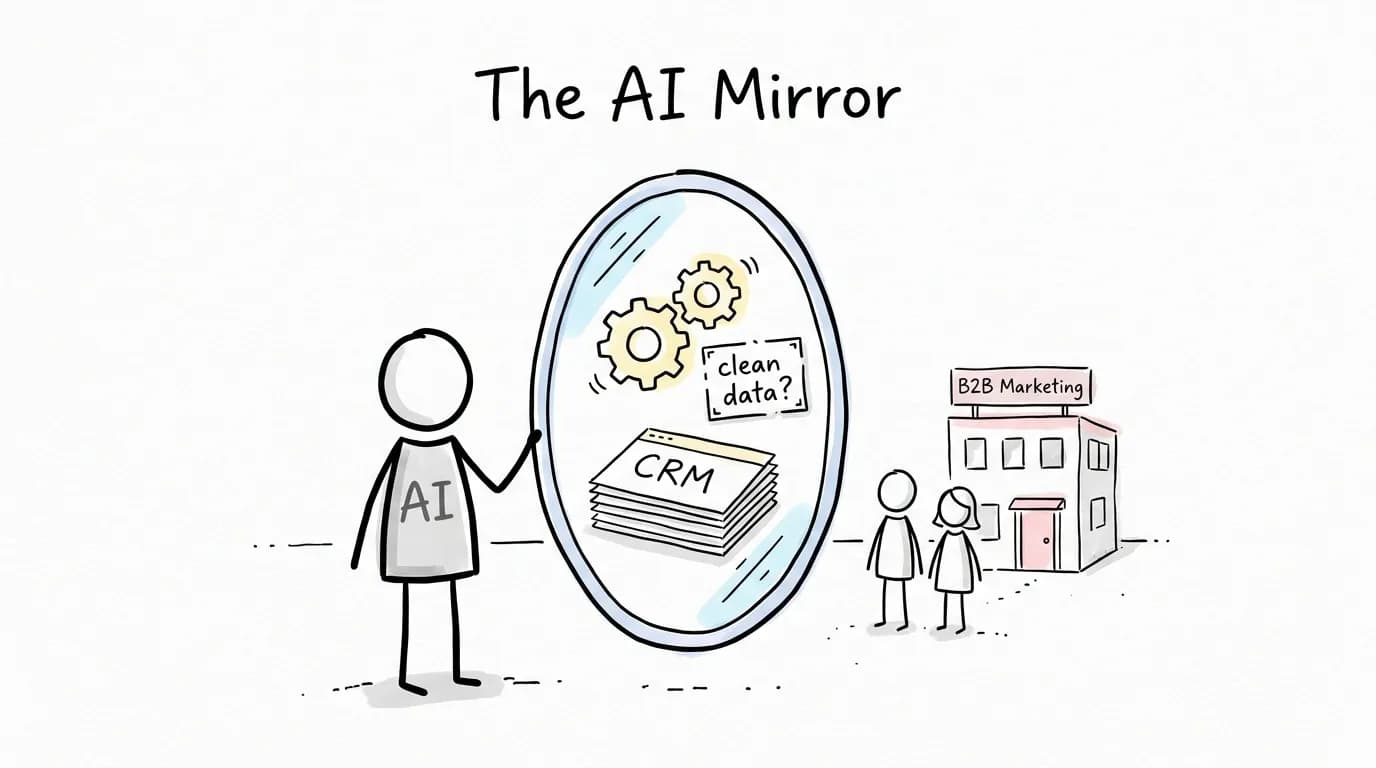
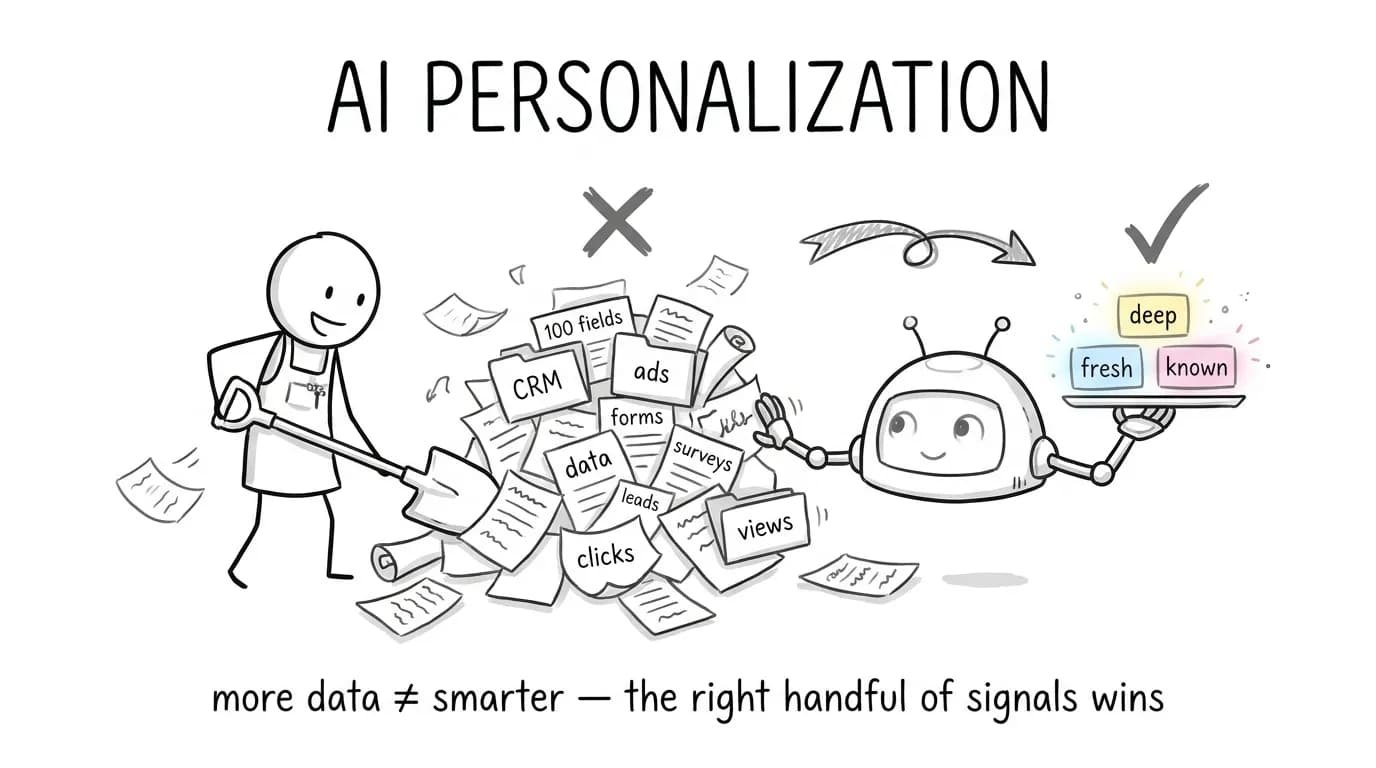
This learn piece argues that differences in AI marketing results come from data foundations rather than the tools themselves. It walks through measurable use cases, reporting automation, attribution, lead scoring, content workflows, social listening, email personalization, and choosing tools based on available data.

A learn article distilling a panel conversation among executives from Mastercard, Newell Brands, and Uber Advertising on how their companies use AI for innovation, covering card design orchestration, human-initiated AI content workflows, ad attention measurement, commerce media, and AI consumer stand-ins.

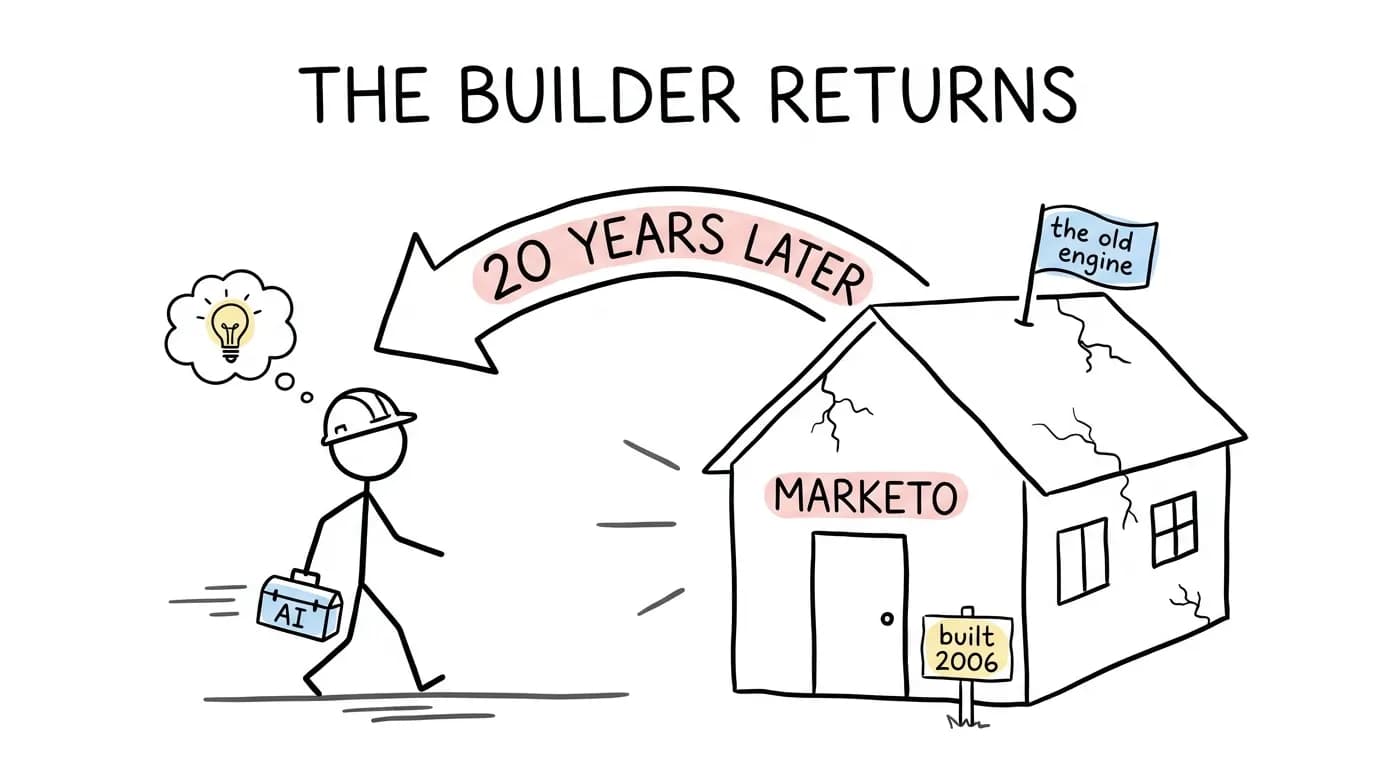
The article looks at AI-native marketing automation startups challenging Marketo, including Phave from Marketo co-founder Jon Miller. It contrasts rules-based automation with AI reasoning and weighs Marketo's integrations and loyal user base against switching pressure.

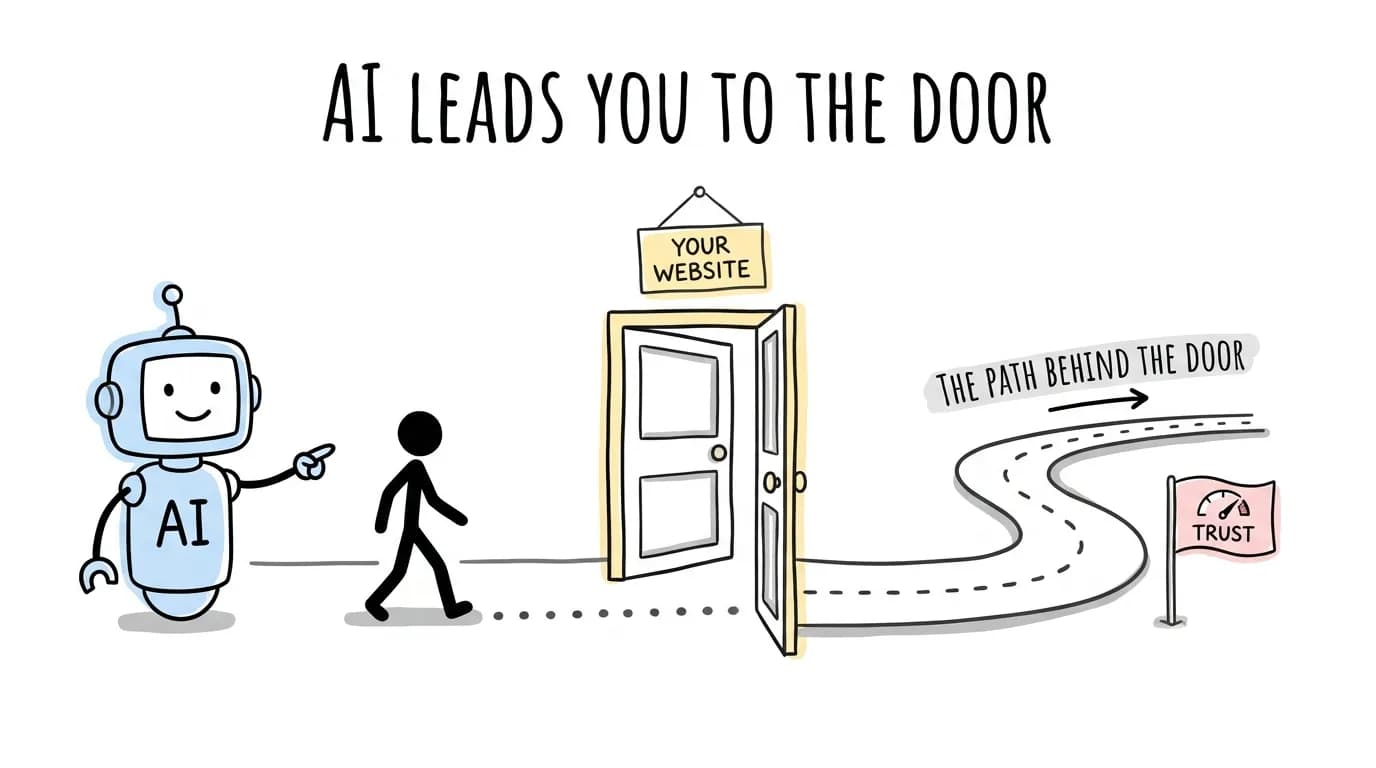
Argues that AI search visibility and GEO can bring buyers to a B2B website, but keeping them depends on the site's cognitive load after they land. Covers how buyers self-serve research, why vague copy costs trust and confuses AI readers, and a four-part test: understandable, findable, trustworthy, actionable pages.

An explainer on GEO (Generative Engine Optimization): why rankings can hold while clicks fall as AI answers replace search visits, how AI engines pick which sources to cite, and six practical steps to make content more citable across Google, Bing Copilot, ChatGPT, and Perplexity.