
The Rules Written for TV: Time to Rein In Influencers and AI
This learn article explains Germany's informal paper to the EU proposing a major overhaul of the Audiovisual Media Services Directive (AVMSD): loosening restrictions on broadcasters while extending media obligations to platforms, influencers, and some AI services. It also notes the proposal remains far from becoming EU
A few days ago, I came across a piece of news that I found genuinely interesting.
Germany has submitted an informal paper to the European Union, proposing a major overhaul of the EU's Audiovisual Media Services Directive (AVMSD).
The idea behind the overhaul can be summed up in one sentence:
Loosen the rules on TV stations; tighten them around platforms, influencers, and some AI services.
At this point you might ask: what exactly is the AVMSD?
Hold on — let me walk you through it first.
A Rulebook Written for the Television Era
What is the AVMSD?
It is the EU's foundational piece of legislation for audiovisual content. Think of it as a set of rules drawn up for the television era: TV stations had to be licensed, there were constraints on how ads could run, requirements for protecting minors, and bottom lines for how news could be presented.
For television, this rulebook worked well.
But then came the problem.
Think about it: how many people still sit in front of the living-room TV for their news? Far more are scrolling short videos on the subway, digging through search engines for updates, or simply asking an AI: what's happening in the world today?
The way people consume content changed long ago. The rules stayed the same.
Germany put it bluntly in the paper: the Directive can no longer keep up with the reality that people get their news and entertainment through social media, search engines, and AI tools.
How should we read that? Let me offer an analogy.
The Shopping Mall and the Street Vendors
Picture a shopping mall with its walls covered in management rules: opening hours, fire safety procedures, how the cash registers are arranged — all spelled out in black and white.
Over twenty years, the merchants gradually moved out onto the street and set up stalls outside the mall. The foot traffic out there is bigger than inside.
Yet you're still clutching that same rulebook, governing only the few stores left inside.
The stalls on the street don't have to follow a single word of it.
That is the audiovisual content industry today: TV stations carry a mountain of obligations, while platforms and influencers are essentially free agents.
So Germany's proposal is one hand loosening, the other tightening.
Now that's some precise knife-work — and it deserves a closer look.
One Hand Loosens, the Other Tightens
First, the loosening hand.
The paper proposes relaxing the outdated restrictions weighing on broadcasters. The direction is clear: don't make TV stations carry a pre-digital-era burden into an unequal fight against new players.
Now, the tightening hand.
Platforms, influencers, and some AI services should be brought under stricter media obligations.
What are media obligations?
Simply put, they are the very rules TV stations used to follow: content responsibility, and advertising standards.
Picture this: the same news item, when broadcast by a TV station, must clear a whole stack of rules front to back; yet an influencer with a million followers can say it offhand on a platform, and carry no obligations whatsoever.
Is that reasonable?
Germany's answer is unambiguous: no.
And the paper's ambitions don't stop there. It also touches on how advertising rules should change, how minors should be protected, how age verification should work, whether news media content can actually be seen on platforms, and how AI-generated content should be treated.
Count them: five or six issues, and nearly every one points to the same thing:
The definition of media is expanding from the TV set to the phone screen.
Why You Should Care
If you're in the content business, this directly affects what rules your content will have to follow in the EU going forward.
For platforms, it's a compliance cost. For TV stations, it's a load off their backs. As for influencers and AI service providers, the unregulated freedom they've enjoyed may narrow bit by bit.
Of course, an informal paper is still a long way from becoming law. EU legislation has never been known for speed.
Just recently, even the vote on the Digital Omnibus — already in progress inside the EU — was postponed for lack of consensus.
And the interests diverge: TV stations want to be unshackled, platforms fear added burdens, and AI providers are watching from the sidelines.
So the greatest value of this paper may lie not in its provisions, but in the question it formally puts on the table:
The energy spent policing the old world should be saved for policing the new one.
Finally
Maybe in a few years, your TV remote really will become a keepsake.
Rules can't keep up with people. But rules always catch up, eventually.
I only hope that when they do, they govern what should be governed, and free what should be freed.
And more than that, I hope that no matter how the rules change, your content always finds someone to watch it.
Continue reading
Related articles
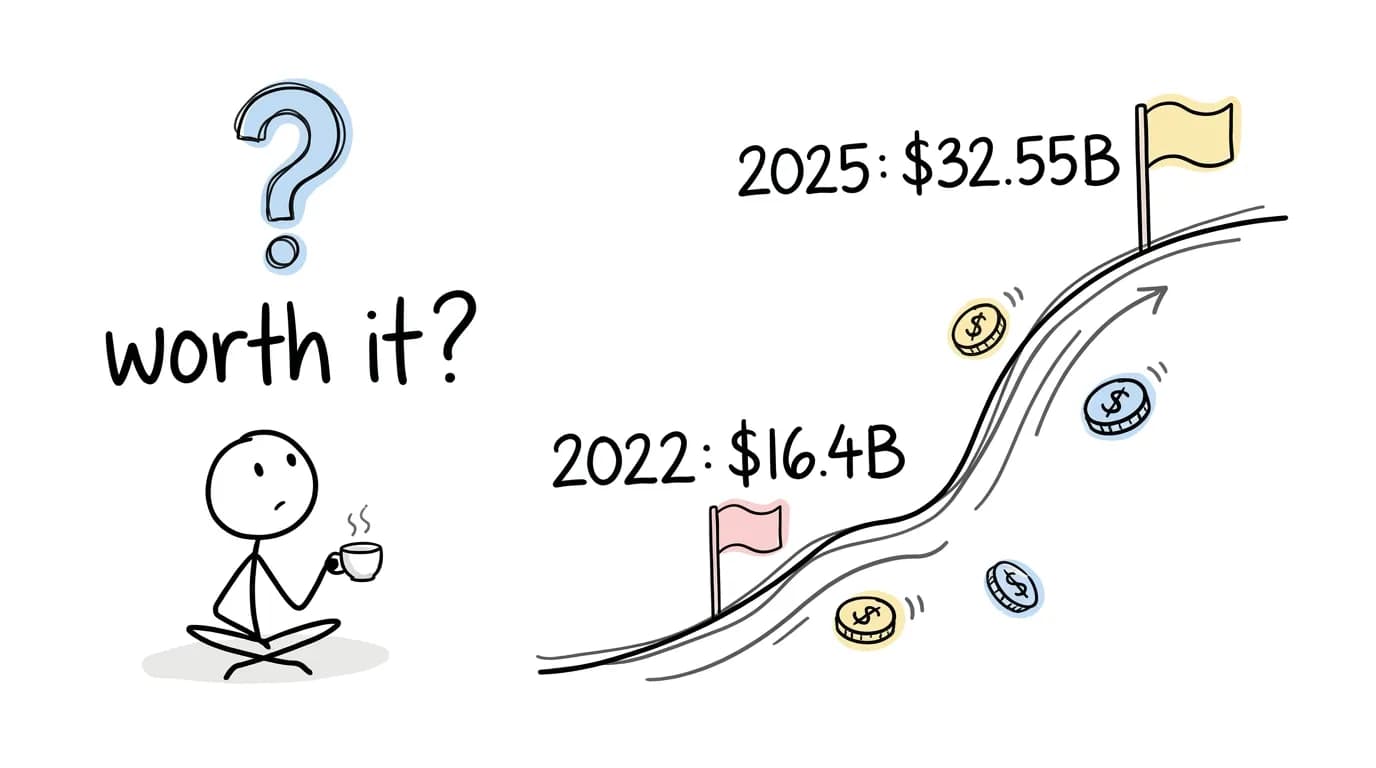
Is Investing in Influencers Actually Worth It? I Broke Down These Dozens of Numbers and Ran the Math for You
A learn article that compiles industry data on influencer marketing, covering market size, ROI measurement practices, nano versus mega creator pricing and engagement, platform budget allocation, AI tooling, and ad disclosure compliance.
The EU Is Handing the Pause Button Back to You
The EU's draft Digital Fairness Act targets dark patterns, addictive design, undisclosed influencer ads, silent subscription renewals, and game spending by minors, while keeping dynamic pricing legal but banning drip pricing; fines could reach 6% of annual turnover.
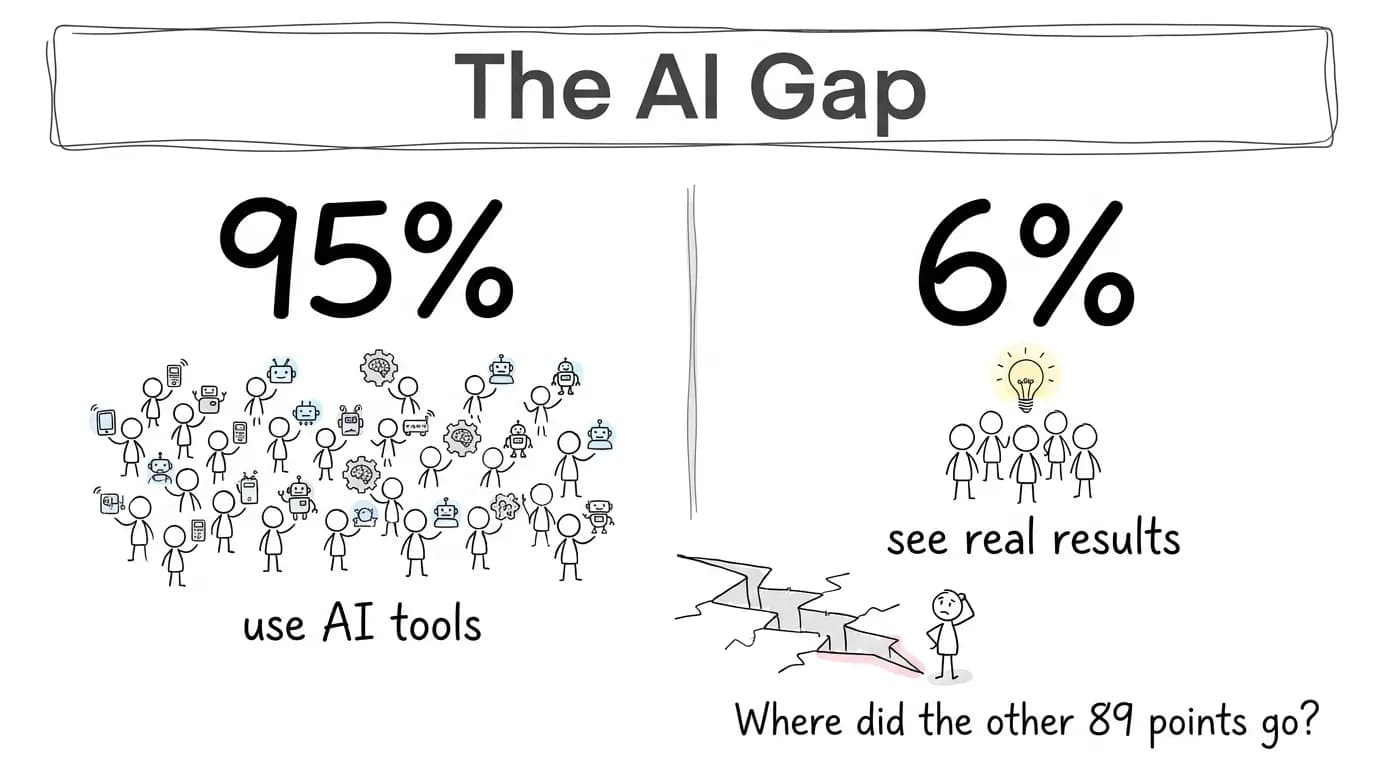
95% of Companies Use AI. Only 6% See Real Results. What's the Gap? Kolsquare's New Report Nails the Answer
A recap of a Kolsquare webinar on AI in influencer marketing, covering adoption gaps, AI-labeled content engagement, AI influencer limits, and generative engine visibility. It also outlines four practical moves for 2027 planning.