
AI Influencers Have Reported for Duty, but Audience Trust Hasn't Been Handed a Ticket
A learn article on how generative AI is reshaping influencer marketing, covering AI-assisted creator content, digital doubles, and consumer trust concerns. It argues that transparency and labeling matter more than adoption volume.
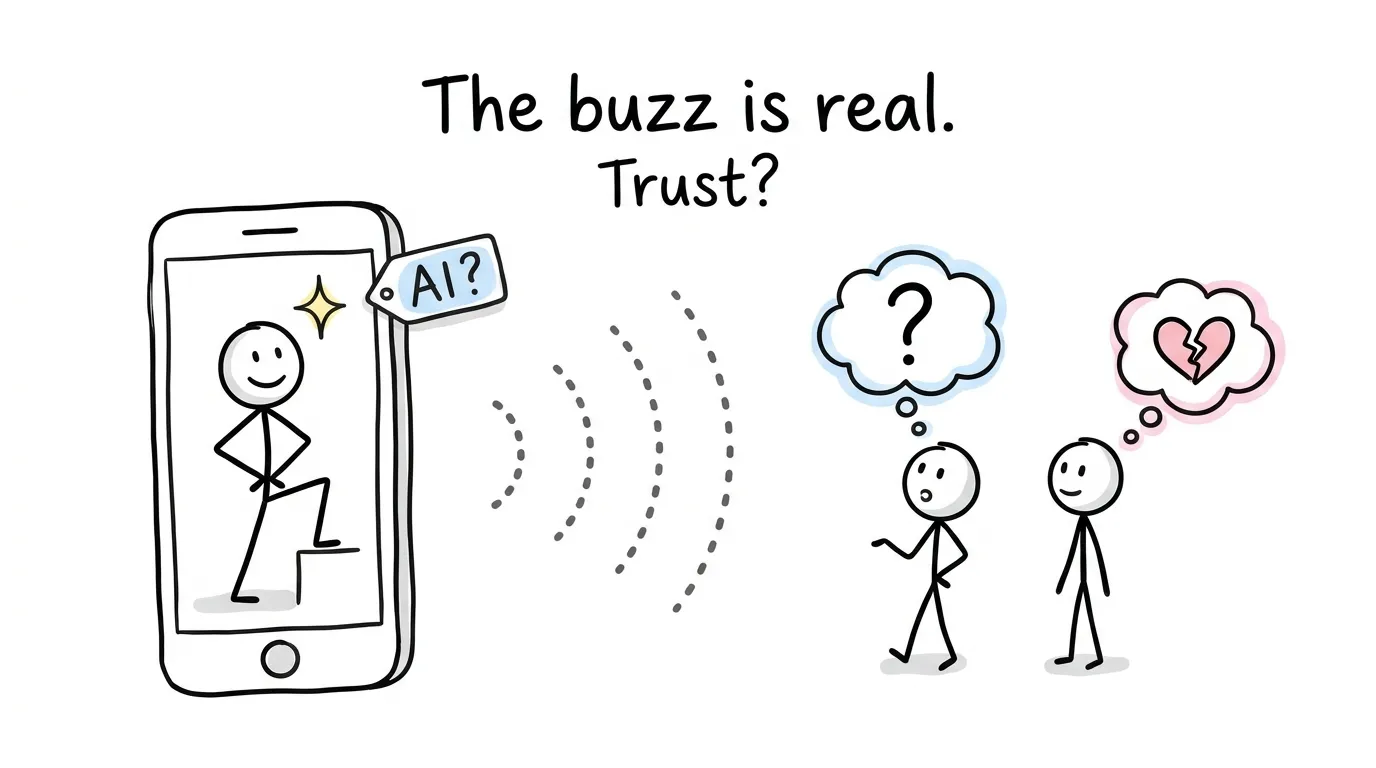
A while back, I came across an outfit video. The model, the lighting, the transitions — all carefully done. Halfway through, my stomach dropped: does this person even exist?
I checked. They didn't.
And this is no isolated case. Generative AI has crashed into influencer marketing — how fast, exactly? Fast enough that it has already gone from "novelty" to "standard-issue." Brands are ordering AI-assisted creator content in bulk, and most influencers are tinkering with AI tools every single week.
I've seen one market forecast: generative AI in marketing is projected to grow from $2.48 billion to $35.1 billion by 2034. More than a tenfold jump.
Wow.
But hold off on the excitement. After going through the case studies and the data, my biggest takeaway comes down to one line:
The buzz is real. The trust hasn't caught up.
In this article, I'll tell you three stories first, then show you a few sets of numbers that bring you back down to earth.
Why Does Everyone Want In?
What is generative AI marketing, exactly? Simply put, it's having AI do the work of content creation for you: you type one line, it produces images, copy, and video; you feed it data, and it helps you predict the next big wave.
Why is everyone rushing to adopt it? The math makes it obvious.
The barrier to content production has collapsed to nearly zero. It used to be that making one decent short video meant knowing how to shoot, how to edit, how to write a script. Now it's a one-sentence job.
Trends can be predicted. Machine learning models watch the data and help you position yourself ahead of the curve, instead of chasing a trend after it has already passed.
Content can travel the world without friction. One asset — translated, adapted, localized — AI handles it all along the way.
And here's the more aggressive one: digital doubles (an AI replica of a real person). The human doesn't need to show up; AI clones a "you" that shoots ads, walks runways, and attends brand events on your behalf.
How well does it work? One UK survey: 77% of marketers say that after adopting AI-assisted content, social media engagement and exposure went up; 53% believe content with AI involved outperforms purely human-made work.
Saves time, saves money, and lifts the numbers. If it were you, would you use it?
Don't answer yet. Stories first.
Let Me Tell You Three Stories
Story one: one sentence turns you into an action figure.
In 2025, something went viral on social platforms worldwide: people lined up to have ChatGPT draw them as "AI dolls" — boxed action figures, complete with accessories and a printed name.
Why did this take off? The barrier was practically nonexistent. One sentence, and anyone could play.
And it wasn't just ordinary people doing the playing. A fashion and beauty creator used the trend to run an interactive campaign with Fanta. UK clothing retailer Primark was even smarter: instead of chasing a big-name star, it had one of its own employees — 150,000-plus followers on TikTok — join in, and a single post pulled in over 2,000 likes.
See, good ideas aren't expensive. What's expensive is knowing how to ride the wave.
Story two: influencers "endorsing" AI tools.
On Instagram there's a creator called Noorie Ana with 140,000 followers. She partnered with Adobe Firefly and did something clever: she used Firefly to create cutting-edge fashion visuals while walking viewers through exactly how she did it.
This isn't pure display — it's a tutorial. Viewers walk away sold on the content, and sold on the tool.
Why does this work? Think about it: 93% of consumers say online reviews influence their purchase decisions. A real human demonstrating and teaching hands-on is the hardest form of social proof an AI tool can get.
My read: these "creator × AI tool" tutorial-style collaborations will only multiply. The newer the technology, the more it needs someone to trip through the pitfalls first on behalf of everyone else.
Story three: 30 models who "never need to eat or sleep."
In July 2025, H&M did something even bigger: it created a "digital double" for each of 30 models and posted AI-generated images of them directly on its own social channels.
What's a digital double? A real person cloned into a virtual world. From now on, when a brand shoots a campaign, the model doesn't have to fly — the double arrives first.
The controversy, of course, is real. Some ask whether this will squeeze out work for human models, or whether the doubles will be altered without consent. But H&M made one crucial promise: the copyright to each digital double belongs to the model. How your face gets used — you decide.
If this model works, the commercial ceiling for influencers and models gets blown wide open: brand collaborations, in theory, are no longer capped by "only 24 hours in a day."
Sounds great, right?
But There's Always the Other Side
In 2026, a survey asked 601 consumers. A few sets of numbers that should sober up anyone in marketing.
45% say that if they know an influencer is actually AI, they won't engage, and they won't trust its recommendations.
71% say that if a human influencer's content uses AI, they start doubting that influencer's recommendations.
Notice: the second one cuts deeper than the first. The question audiences ask is no longer "is this influencer even human?" but "has AI tampered with their sincerity?"
And many people don't even know this species exists: only 40% of consumers say they've heard of AI influencers.
Worse still, people's confidence in their own "fake-spotting" ability is absurdly high: 57% swear they can tell at a glance whether an image or video is AI-made. In reality, 30% of them encountered more than 20 unlabeled pieces of AI content in a single month.
Confidence isn't the same as actually being able to tell.
And this skepticism eventually comes with a price tag: 53% of consumers say that knowing a brand uses AI in its social content makes them less willing to buy.
There's also a shifting-balance signal: when deciding what to buy, consumers now trust brands themselves (40%) more than influencers (14%). The trust chips are piling up on the brand side. But that advantage is fragile — the moment AI makes your content feel fake, that advantage flips instantly.
Put these numbers side by side, and the conclusion is crystal clear:
People aren't rejecting AI. They're rejecting being kept in the dark.
The Real New Rules
Generative AI is, in fact, already the daily routine of influencer marketing. In all three stories, the creativity was real, and so was the dividend.
But the limit is spelled out just as clearly: audiences reward brands that use AI to create value and say so openly, and punish brands that let AI quietly dilute their authenticity.
So the winners won't necessarily be the brands that use AI the most, but likely the ones that use it most candidly.
Efficiency can be outsourced. Authenticity cannot.
Treat AI as a tool, label it when it should be labeled, and keep human judgment in the driver's seat.
As for that video at the beginning — I don't know whether you'll give it a second look next time it shows up. But I do know this: if the creator simply said, "AI was involved in this video," the hurdle in your mind would probably be gone.
Here's to staying trusted — even in an era where everyone uses AI.
Continue reading
Related articles
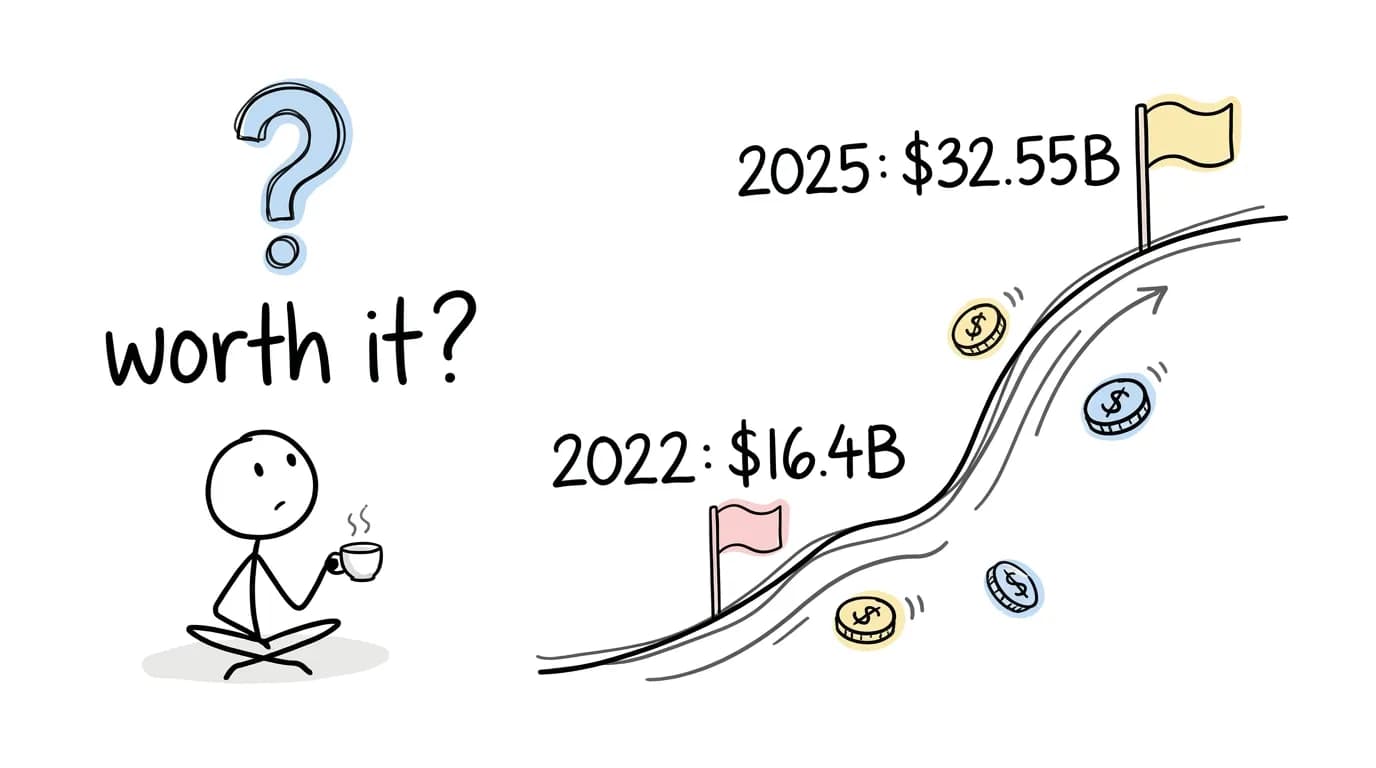
Is Investing in Influencers Actually Worth It? I Broke Down These Dozens of Numbers and Ran the Math for You
A learn article that compiles industry data on influencer marketing, covering market size, ROI measurement practices, nano versus mega creator pricing and engagement, platform budget allocation, AI tooling, and ad disclosure compliance.
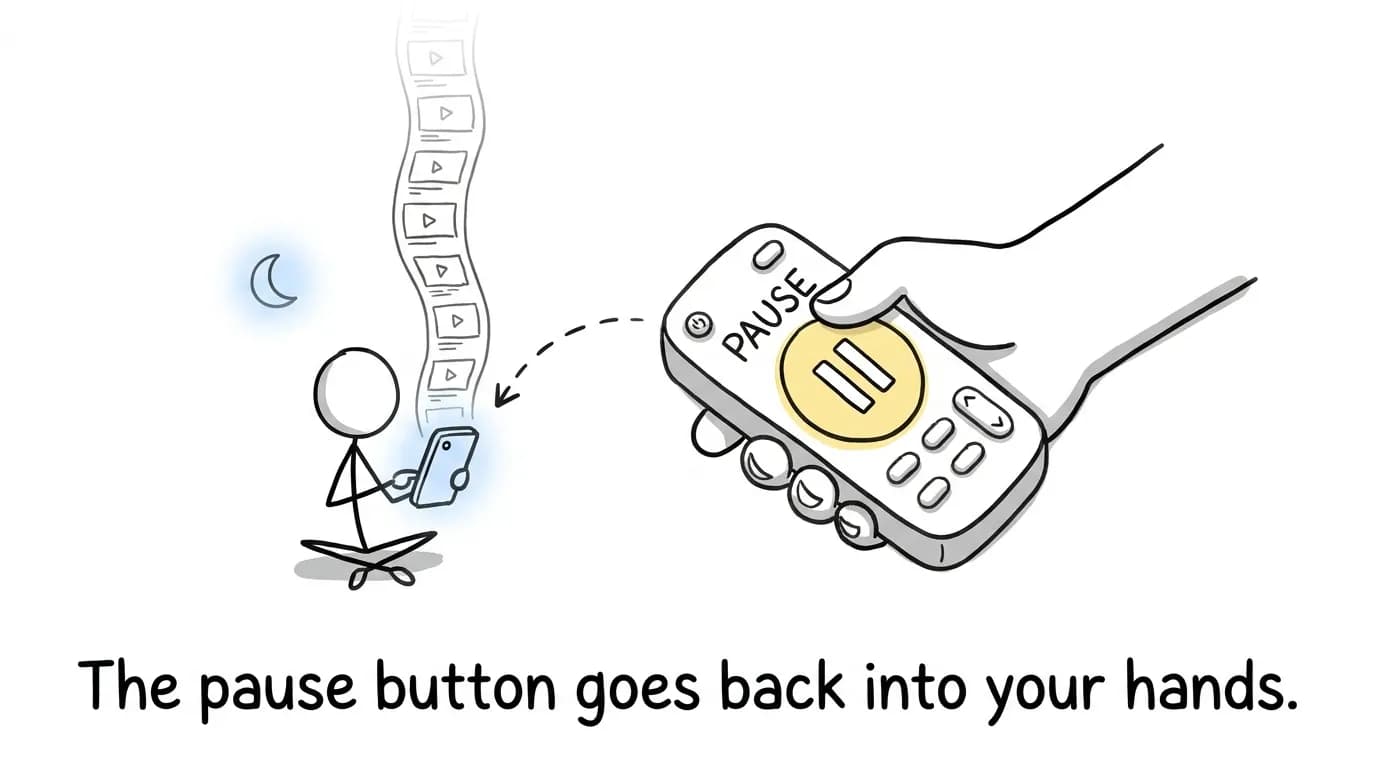
The EU Is Handing the Pause Button Back to You
The EU's draft Digital Fairness Act targets dark patterns, addictive design, undisclosed influencer ads, silent subscription renewals, and game spending by minors, while keeping dynamic pricing legal but banning drip pricing; fines could reach 6% of annual turnover.
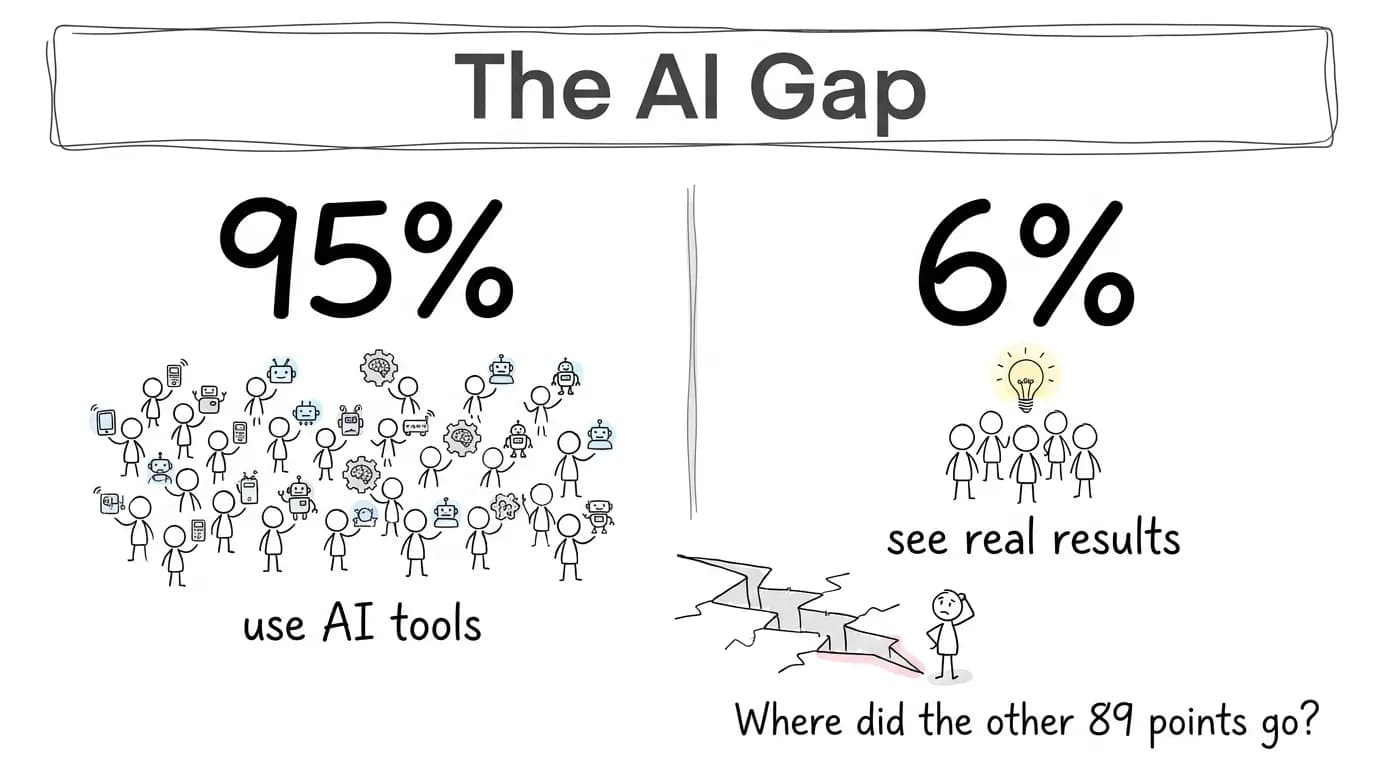
95% of Companies Use AI. Only 6% See Real Results. What's the Gap? Kolsquare's New Report Nails the Answer
A recap of a Kolsquare webinar on AI in influencer marketing, covering adoption gaps, AI-labeled content engagement, AI influencer limits, and generative engine visibility. It also outlines four practical moves for 2027 planning.