
Meta's New Terms Hit the Pause Button on the Eve of the Effective Date
A while back, I was helping a friend of mine who runs a cross-border e-commerce business go through the compliance checklist for his ad account.
A while back, I was helping a friend of mine who runs a cross-border e-commerce business go through the compliance checklist for his ad account.
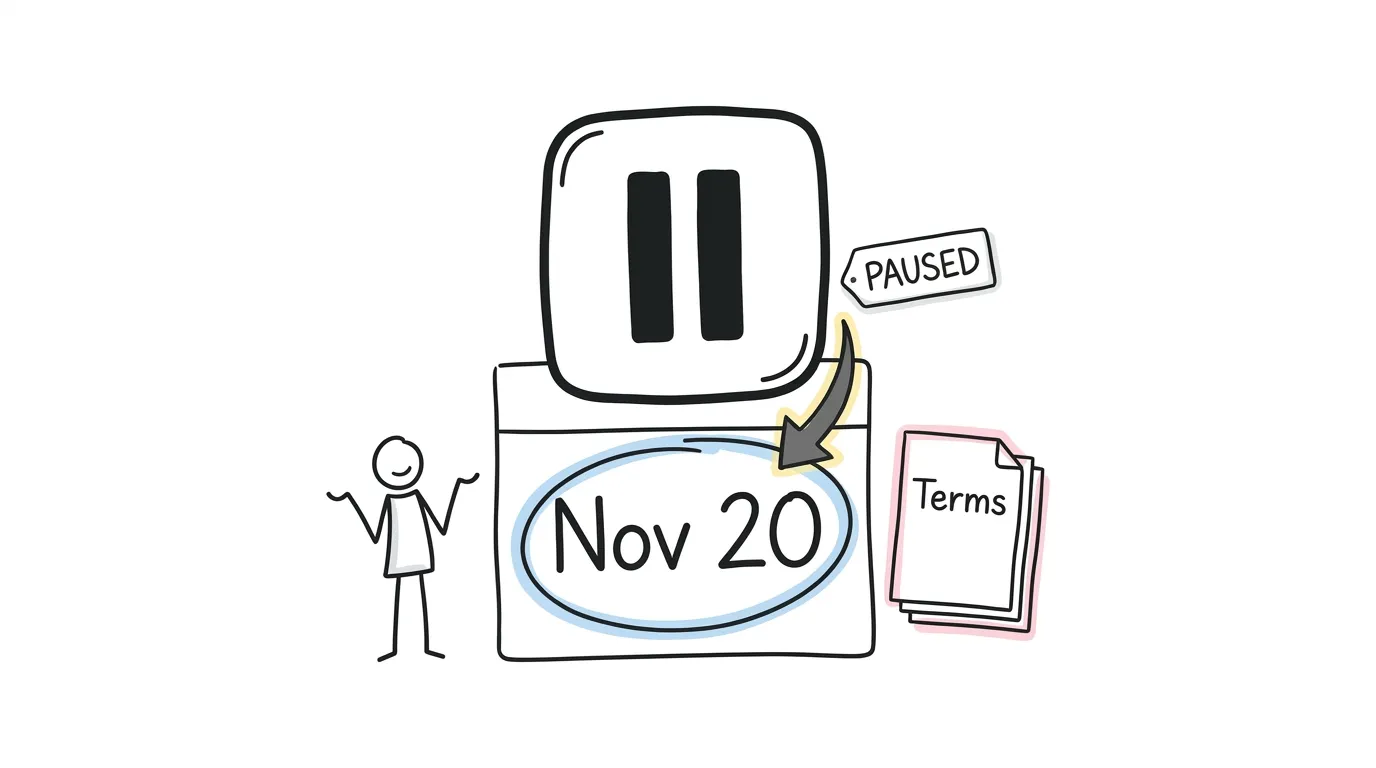
We were halfway through when he suddenly asked: those new Meta terms — weren't they supposed to take effect on the 20th of this month? Should I get a head start on reshuffling my product catalog?
I said: don't touch anything yet.
Why? Because right before the effective date, Meta posted a very brief notice in its Help Center: the terms updates originally scheduled to take effect on November 20, 2026, have been paused.
They are no longer taking effect. At least not for now.
What does "paused" mean? Let me lay this out clearly.
Meta had previously announced updates to four sets of terms: the Commercial Terms, the Product Catalog Terms, the Self-Serve Ad Terms, and the Ad Creative Generative AI Terms.
What do these documents govern? The basic rules of doing business on Meta. How you sell products, how you run ads, and who owns the rights to AI-generated creative assets.
The new terms were set to take effect on November 20, 2026.
Now: paused.
Meta's wording was restrained: it will keep talking with all the parties involved and share further updates once there is more information. In plain language: we're still listening — don't rush to switch to the new rules.
Meanwhile, there is one sentence worth singling out: the existing terms remain in effect until further notice.
Think about what that means.
It means that if your team already drew up a revamp plan based on the "new terms," you can pull it back now. No rush on the product catalog, no changes to your ad delivery workflows, no re-reviewing your contract templates. What you save is real money in labor and rework.
On the flip side, if you haven't done anything yet — congratulations, you've missed nothing.
When the rules haven't changed, the best move is often no move.
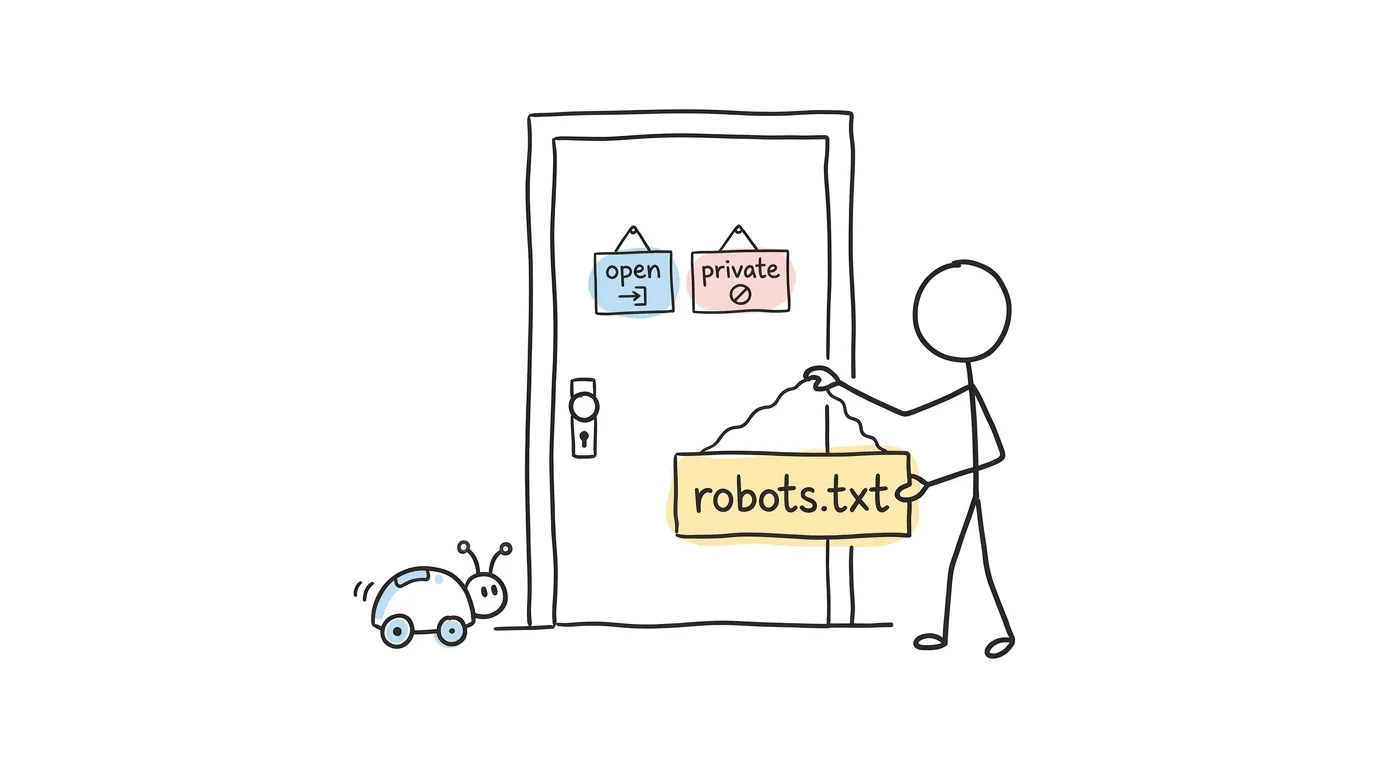
There's one more line in the announcement that I want to pull out: the crawling policy stays unchanged, and content owners can still use robots.txt to express their preferences.
What is robots.txt? It's a small text file at the root of your website that tells crawlers where they may come and where to stop. Think of it as the sign hanging on your front door: the living room is open to anyone, stay out of the bedroom.
Why does this matter? Because it lays bare one fact: no matter how the terms get negotiated, the switch that lets content owners say no to crawlers is still in your own hands.
The platform writes the terms; you hang the sign.
So why the pause? Meta didn't give a reason, only that it will keep communicating. But you can guess the direction: an update touching four core terms — one that even brings AI-generated content into scope — tugs at too many stakeholders' interests. Forcing an unagreed update through on its original schedule carries more risk than a delay.
When a big platform pauses its terms, it's rarely a cancellation — more often, the parties simply haven't reached a deal.
So my advice comes down to three things:
- The existing terms remain in effect. Work by the old rules; there's no need to jump the gun.
- Watch for follow-up announcements in Meta's Help Center — that's the official signal; secondhand chatter doesn't count.
- Set up robots.txt where it belongs. Don't waste that autonomy.
Back to the friend from the beginning. I told him: put the checklist in a drawer, and keep the sign hanging on the door. When Meta speaks again, we'll move.
He breathed a sigh of relief and said: good thing we didn't jump the gun.
And here's wishing that you never have to scramble to reshuffle your product catalog on the eve of an effective date.
Continue reading
Related articles
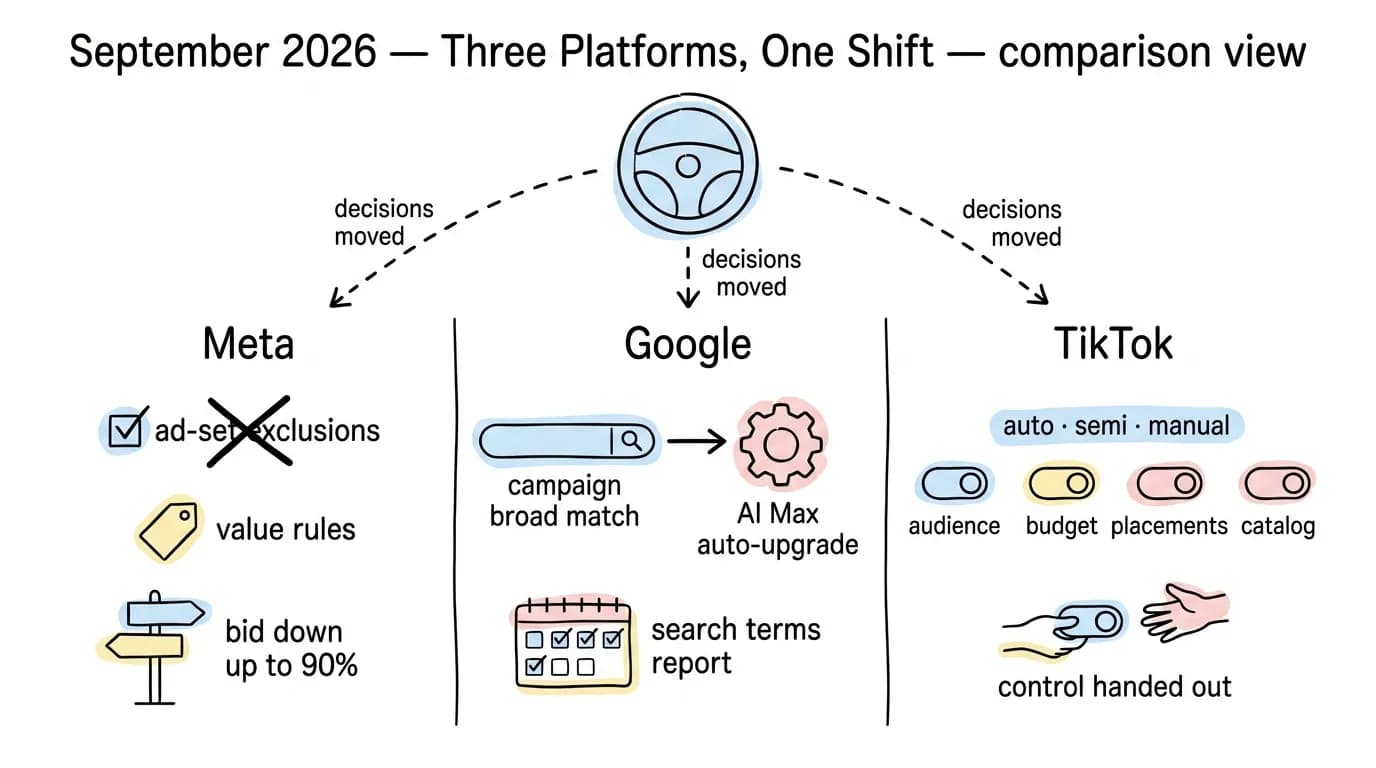
In September, Three Platforms Took Away Part of Your Steering Wheel
A few days ago, I went through everything the three big ad platforms did in September 2026. And I noticed a remarkably interesting coincidence.
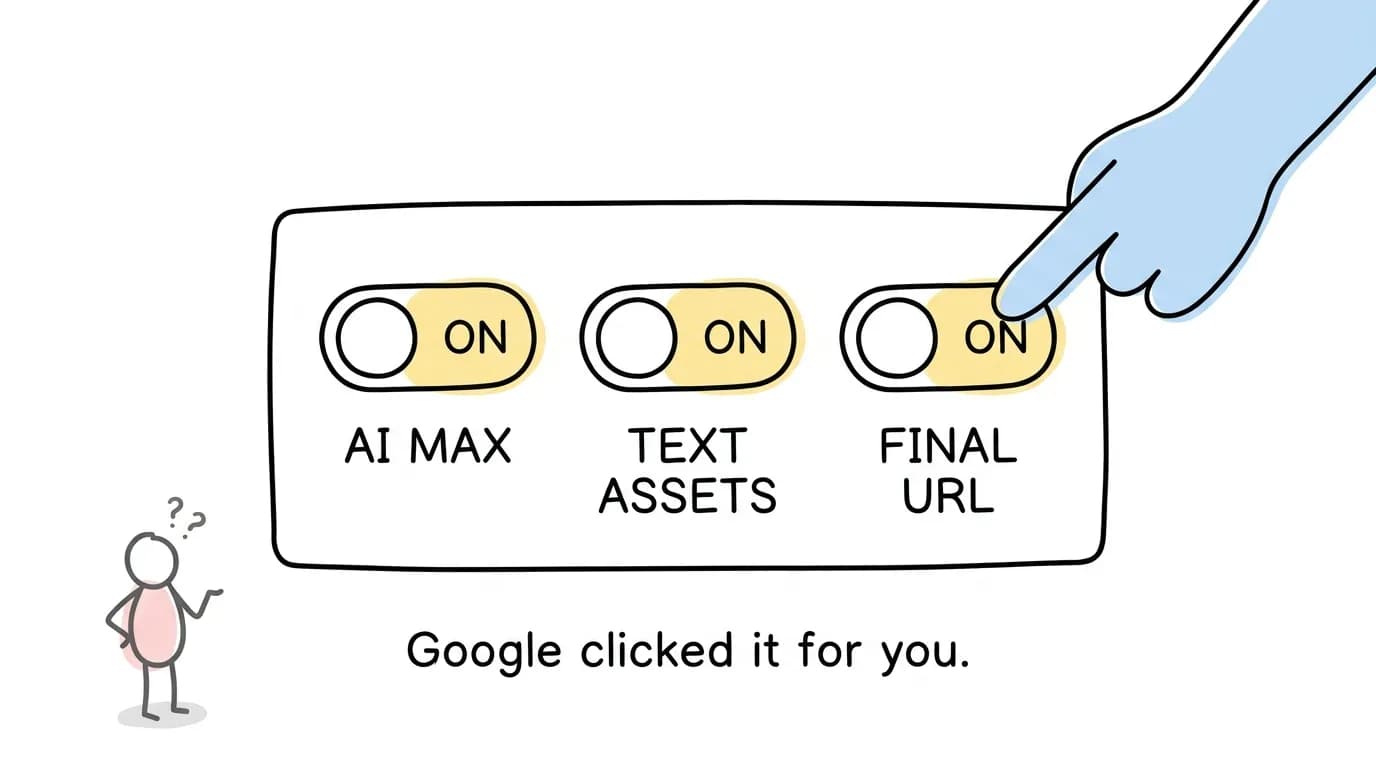
Google and Meta changed 17 ad rules this week. 6 of them need checking today.
A few days ago, I was helping a friend who runs a cross-border e-commerce business go through his ad accounts.
Stop Re-Teaching AI Every Time. Turn Your Expertise Into Its Skills.
A few days ago, a friend of mine — a marketing director — grabbed dinner with me.