
Cross-Border E-Commerce Doubled in Six Years
A few days ago, I had dinner with a friend who runs a cross-border business.
A few days ago, I had dinner with a friend who runs a cross-border business.
He said something that made me pause: seventy percent of his store's orders now come from overseas. Seventy percent. A brand born and raised in China, and the customers paying for it are sitting thousands of kilometers away.
I asked him how he saw the market going forward. He threw the question back at me: do you know how big the global cross-border B2C e-commerce market is right now?
I said, a few hundred billion dollars?
He said, more than two trillion.
I was stunned. What is cross-border B2C e-commerce? It's when the person buying and the person selling are not in the same country. You place an order in Beijing, the goods ship out from a warehouse in Hangzhou, and three days later they show up in the living room of an apartment in Lisbon.
That's the market we're talking about: $1.03 trillion in 2020. By 2026, according to Statista's June 2026 estimates, it will hit $2.17 trillion.
Six years, nearly doubled. Do the math and that's an average of about 13% growth per year.
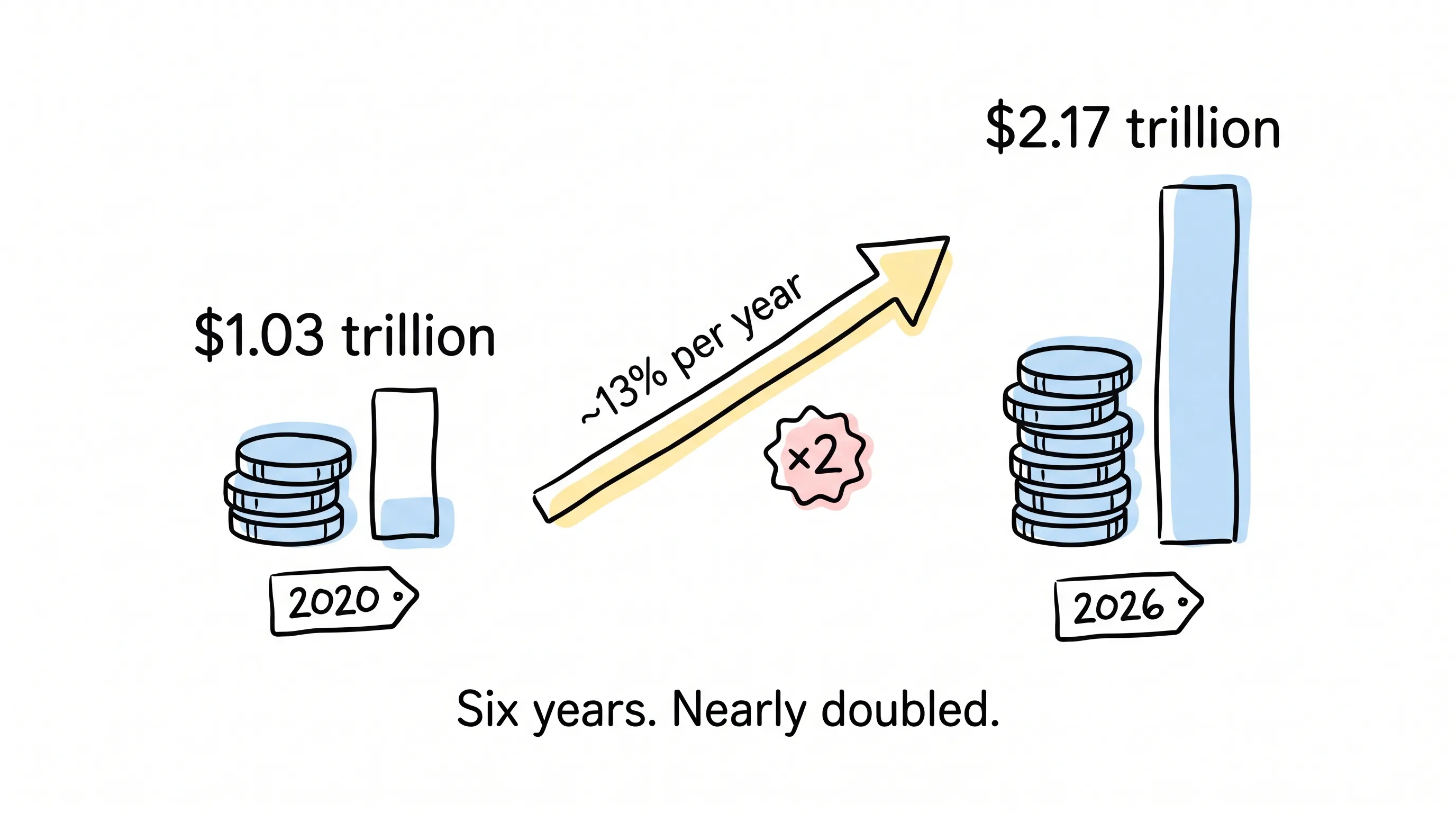
Thirteen percent doesn't sound explosive. But look at the base: two trillion dollars. Let's break it down further. $2.17 trillion, at an exchange rate of around 7 yuan to the dollar, comes to about 15 trillion yuan. Spread evenly across every day, that's more than 40 billion yuan. Every day. Just from people buying things from other countries online.
This isn't some future tense. It's the present continuous.
Why These Six Years?
What happened in 2020, you and I both remember. A lot of people were shut in at home, and shopping had only one doorway left: the phone.
In the past, buying things across a national border came with hesitation: you couldn't really read the page, you weren't sure about paying, and the shipping was slow enough to make you anxious. That year, the whole world was forced to press that button at the same time. Only after pressing it did people discover: oh, so it actually works.
A habit like that, once it takes hold, doesn't undo itself.
Now look at the supply side. After 2020, China's supply chains pushed "fast" and "cheap" to the extreme, and logistics turned "can be delivered" into "delivered in three days." Temu's explosion in overseas markets left even us onlookers struggling to keep up.
Demand burst through the floodgates, and supply kept sprinting forward. Both ends pulling hard at the same time — that's what made these six years.
Not Just Between China and the World
The interesting part of this story is that it isn't only the global total that doubled.
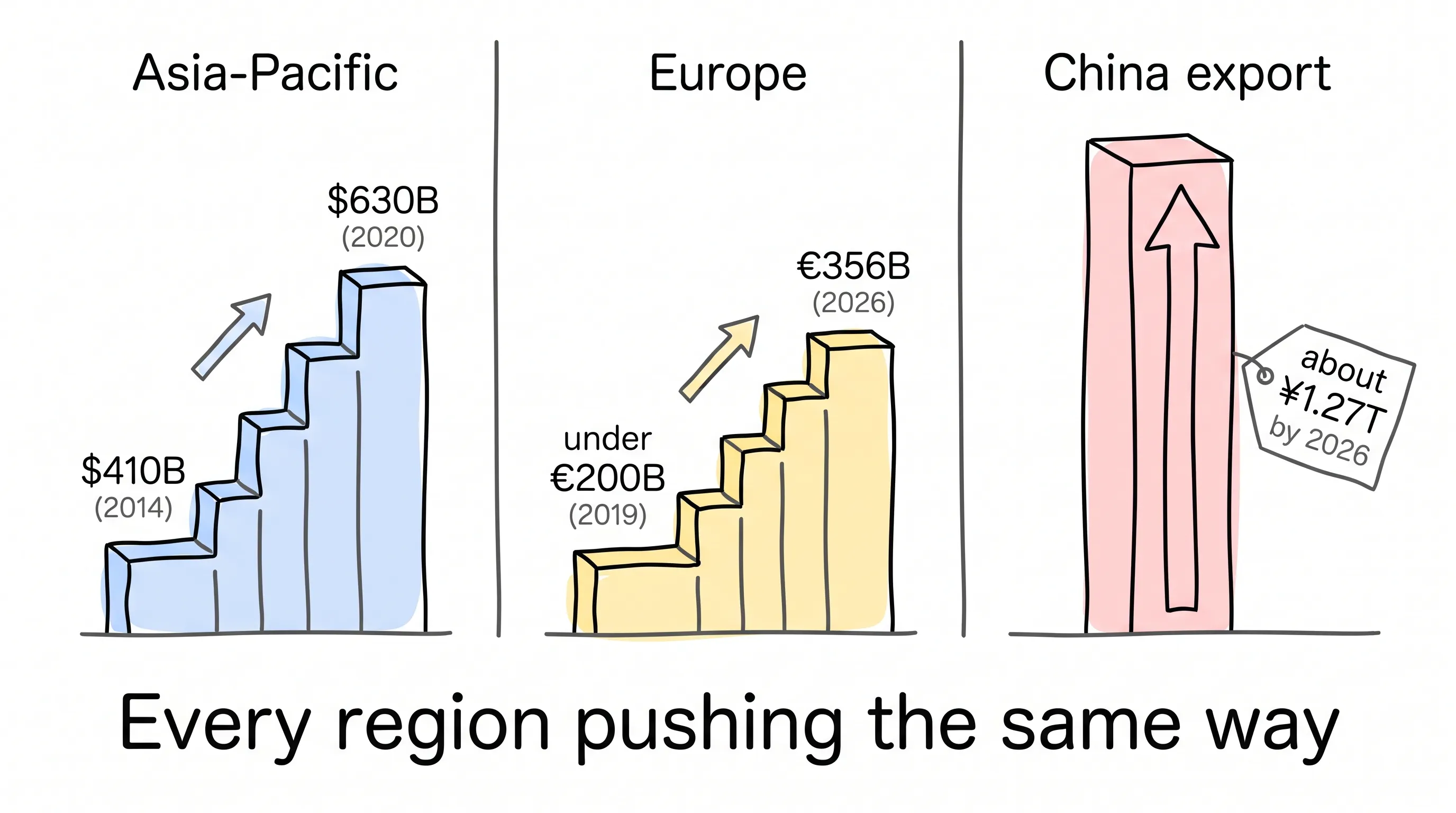
Asia-Pacific: in 2014, cross-border B2C e-commerce was around $410 billion. By 2020, $630 billion. Another half added in six years.
Europe: cross-border e-commerce revenue was still under €200 billion in 2019. By 2026, it is projected to reach around €356 billion.
China's own numbers are even more striking. Its market for B2C cross-border export e-commerce is expected to reach about 1.27 trillion yuan by 2026.
You see, when every region is pushing in the same direction, it isn't surprising that the overall market doubled.
So What Does This Have to Do With You?
Let me run another calculation for you.
Suppose this business is a pie worth $2.17 trillion. If you cut one thousandth of it, that's $2.17 billion. What about one millionth of it? Still $2.17 million.
The size of the pie determines the height of the ceiling. That's why these past two years, so many factory owners, stay-at-home moms, and college students have been crowding into cross-border e-commerce. It's not necessarily that they worked out some grand philosophy — most of them just did the math: on the other side of the sea, someone is still waiting for their goods.
Big water makes big fish.
Now, a dose of reality. A doubling pie does not mean everyone makes money, because the number of competitors is doubling as well. What Statista gives you is the total size of the market, not your profit statement.
The real question has never been how big this market is, but what earns you an extra slice of it.
Finally, Back to That Dinner
When we settled the bill that night, my friend said something rather polite: dinner's on me tonight — once this next batch clears customs, I'll take you somewhere nicer.
I said, deal.
Walking out of the restaurant, it hit me: his seventy percent overseas orders and that $2.17 trillion market are two ends of the same thing.
Maybe, one day in the future, you'll unwrap a package in an apartment abroad, and inside is something made in China, sold to you by a platform you've never heard of.
And here's hoping for something even better: that you're the one getting the goods to someone thousands of kilometers away — and profiting because of it.
Continue reading
Related articles
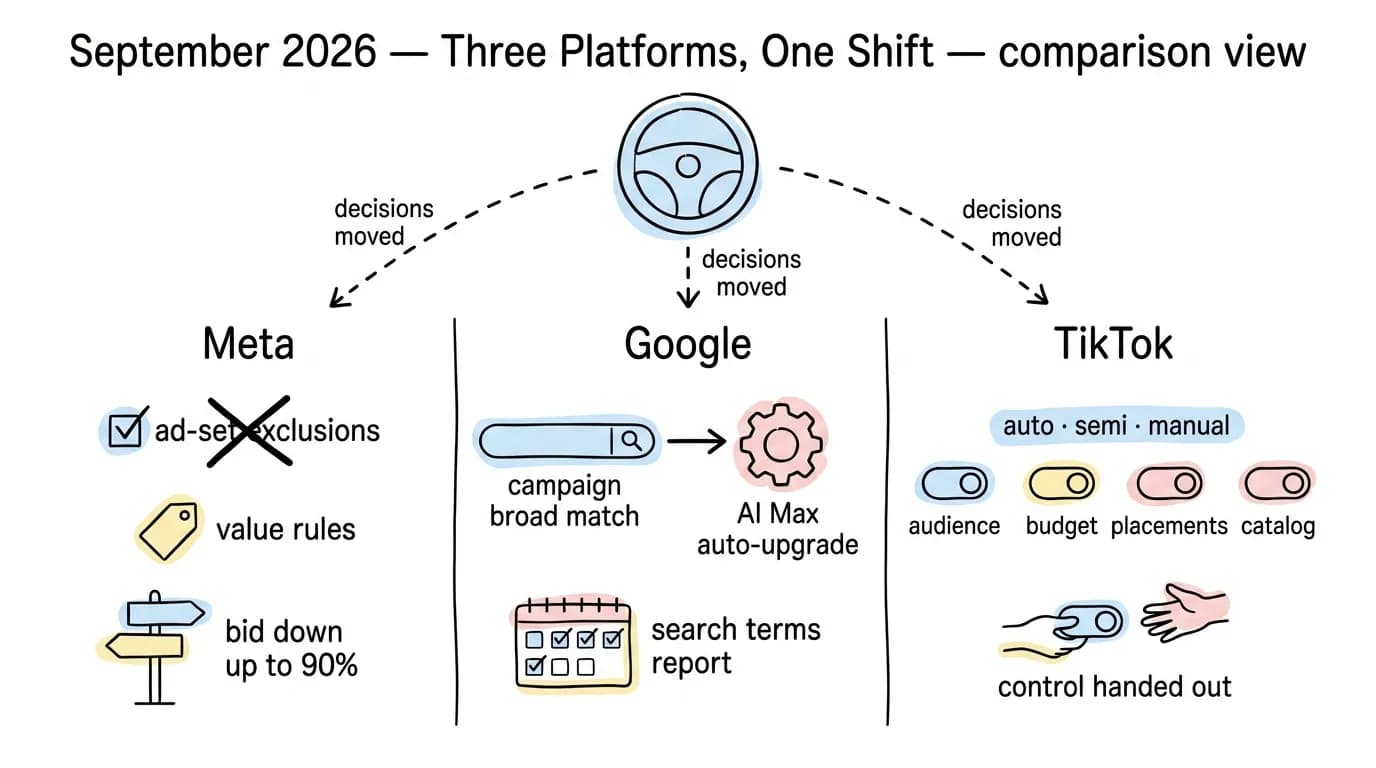
In September, Three Platforms Took Away Part of Your Steering Wheel
A few days ago, I went through everything the three big ad platforms did in September 2026. And I noticed a remarkably interesting coincidence.
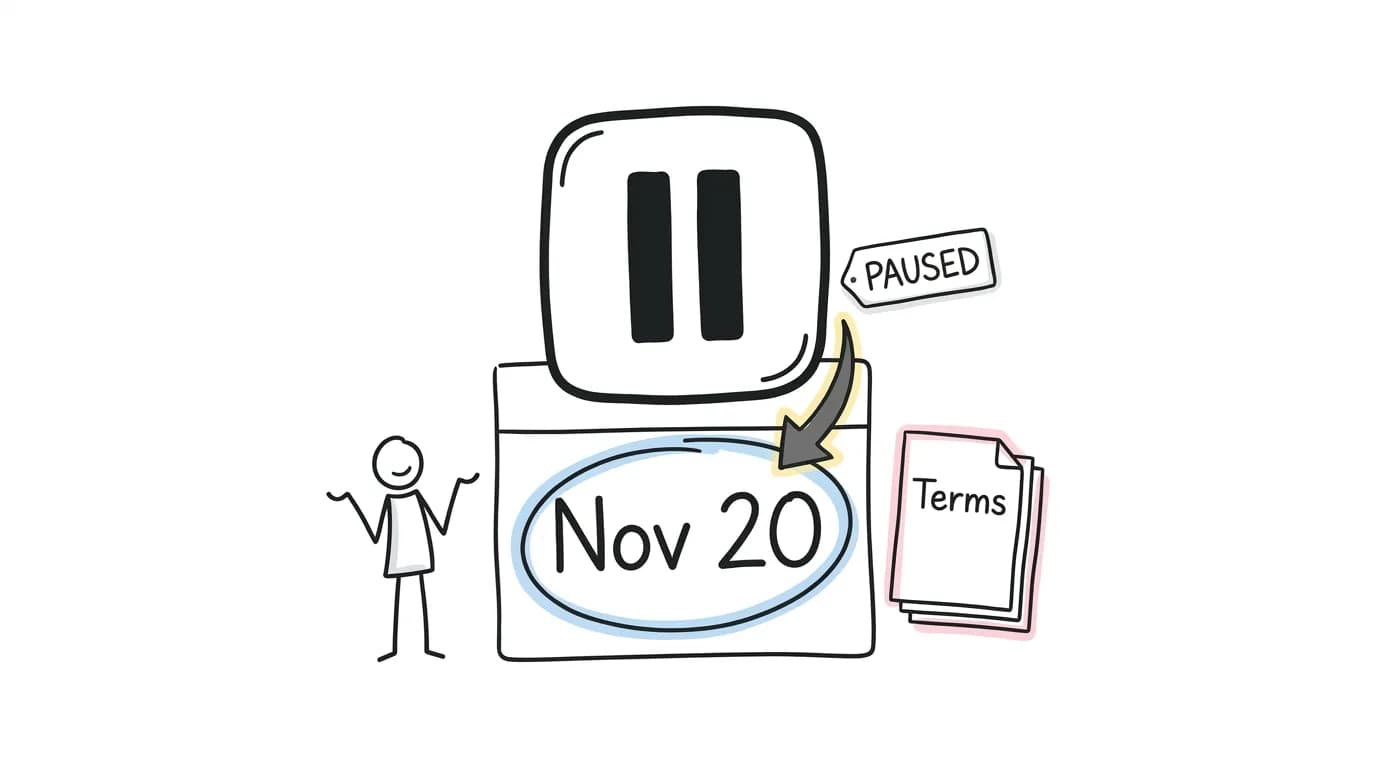
Meta's New Terms Hit the Pause Button on the Eve of the Effective Date
A while back, I was helping a friend of mine who runs a cross-border e-commerce business go through the compliance checklist for his ad account.
Google and Meta changed 17 ad rules this week. 6 of them need checking today.
A few days ago, I was helping a friend who runs a cross-border e-commerce business go through his ad accounts.