
The Influencer I Followed Was Never Human
An explainer on virtual influencers: computer-generated personas that earn money on social media. The piece covers why brands value their predictability, the trust gap in sectors like healthcare and finance, market forecasts, key players, and regional growth trends.
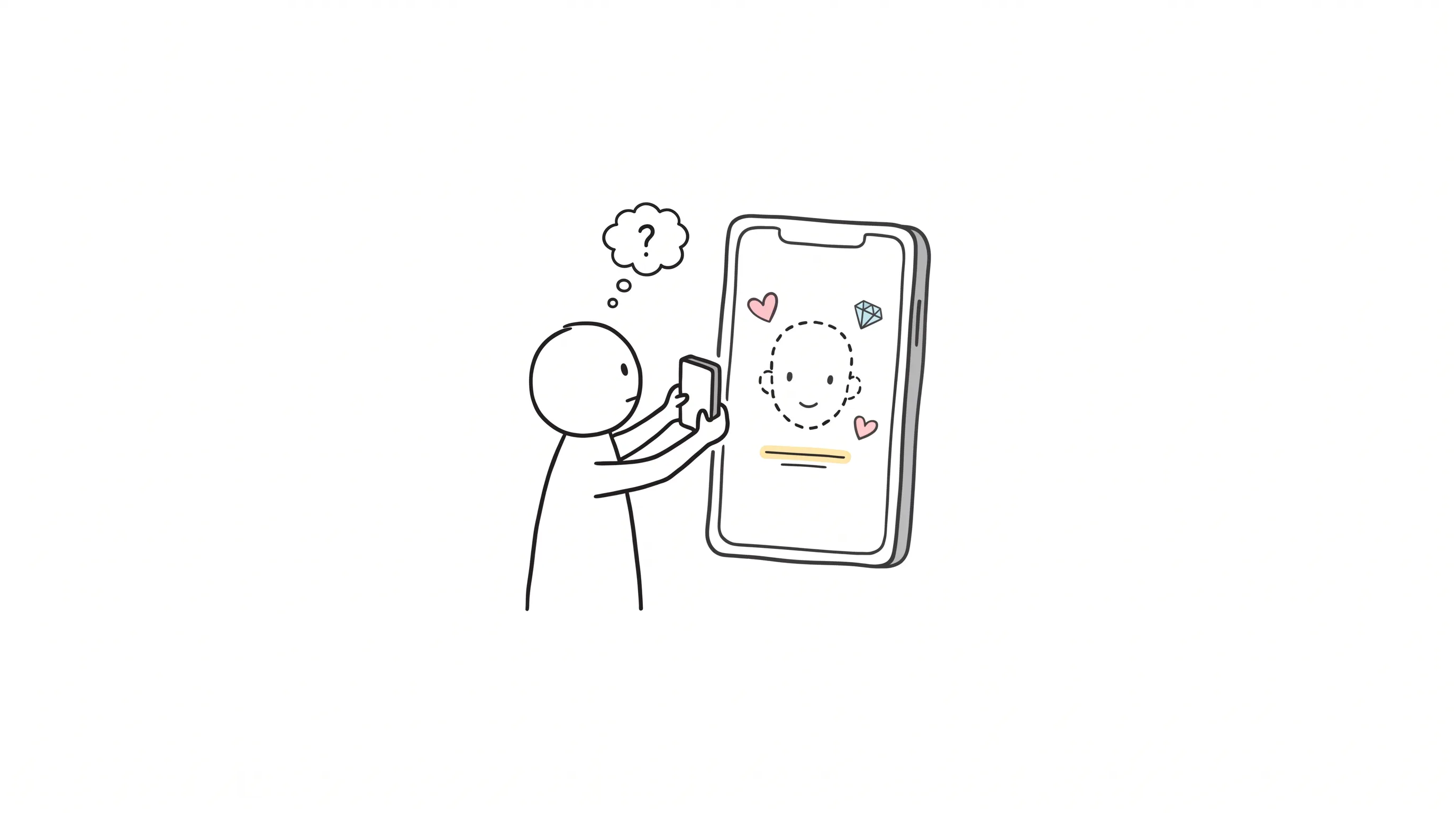
A while back, I stumbled across a blogger online.
Flawless glowing skin, outfits always on point, still replying to comments at 3 a.m. Millions of followers, ad bookings lined up until next month.
Only later did I find out: she doesn't exist.
I'm not exaggerating. Literally — she doesn't exist. She was drawn by a computer. A computer-generated (CG) figure, an AI-driven digital human. And yet her fans keep following her updates, and brands keep lining up to buy her ads — at rates that aren't cheap.
OMG. That was my entire reaction. Two syllables, that's it.
So what is a virtual influencer? Plainly put: a "person" generated by a computer, making a living on social media. It could be a digital model who looks just like a real human, or a cat, or an elf — anything that doesn't have to obey the laws of physics.
You probably think this is some exotic curiosity. Actually, it's already a business that real money has voted for.
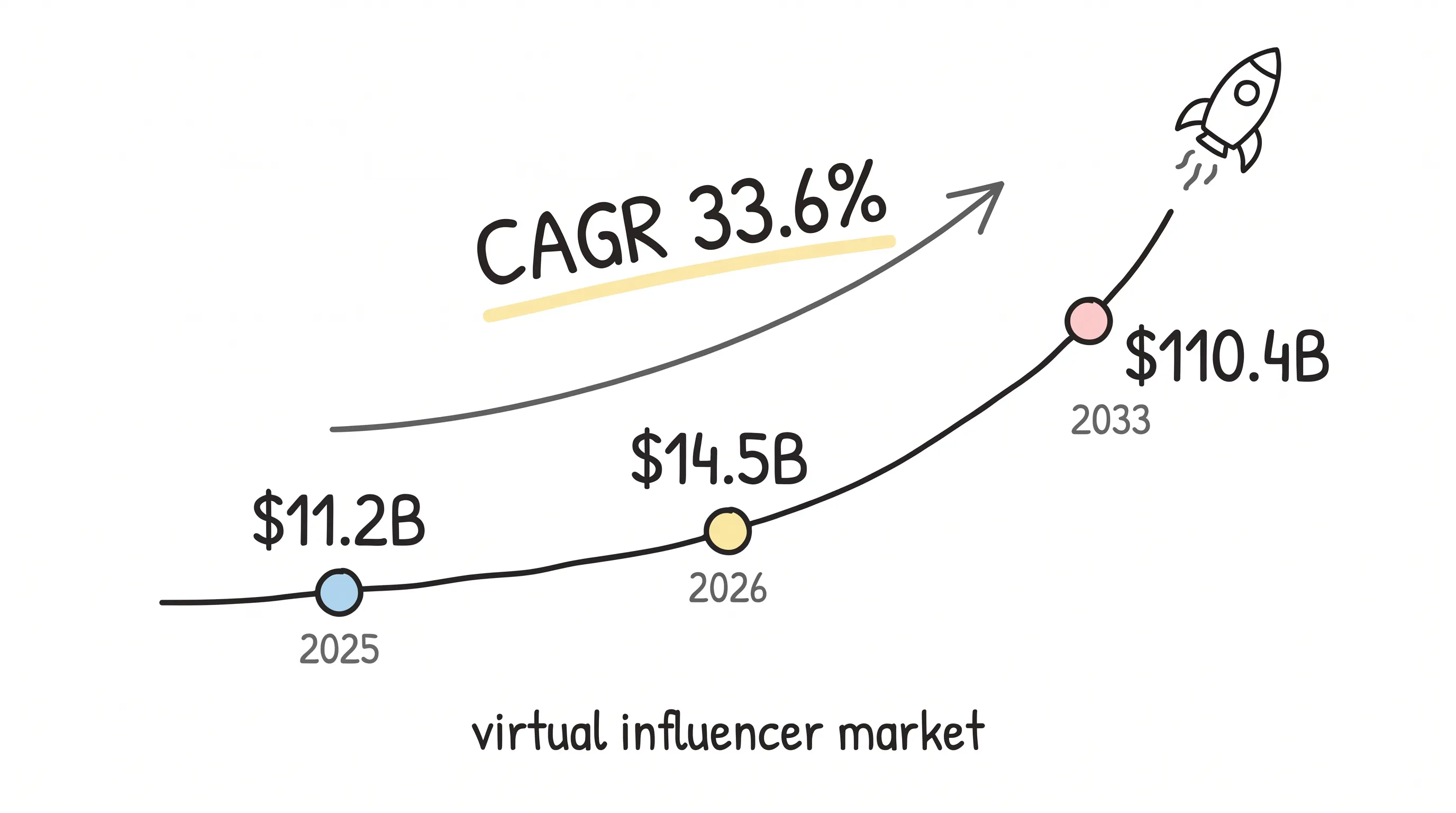
One market forecast covering 2026 to 2033 estimated that this business was worth about $11.2 billion globally in 2025. It projected $14.5 billion for 2026, and by 2033 the figure could climb to $110.4 billion. That works out to a compound annual growth rate (CAGR) of 33.6%.
What does 33.6% even mean?
Roughly a third bigger every year. Over eight years, more than sevenfold.
How many industries have you seen with the nerve to grow like that?
Why Would Brands Pay for a Person Who Doesn't Exist?
Think about it. What's the biggest risk with a real-life influencer?
Not the price. It's the unpredictability.
Signed today, imploded tomorrow. An undisclosed romance, a disastrous hot take, their lab results trending before their sales figures do. When a brand signs an influencer, it's signing a bundle of accidents that could detonate at any moment.
A virtual influencer? No romantic scandals, no drunken late-night apology posts written after one too many drinks. The persona, the schedule, the talking points — all held firmly in your own hands. Post whenever you want, whatever expression you want.
Brands aren't buying a face. They're buying certainty that never spirals out of control.
There's more math to run. Real influencers fly first class, stay in hotels, travel with an entourage — and their schedules depend on the stars aligning. A virtual influencer has no travel, no lodging, no "sorry, she's fully booked lately." And it might not even perform any worse.
Whatever you save is pure profit.
But There's Always a Flip Side
Trust.
What is trust? It's whether you'd dare let a person who doesn't exist recommend a health screening package or an investment product to you.
When a real blogger blows up, they blow up alone. When a virtual influencer stumbles, the audience says: told you so — what would a fake person know? In industries like healthcare, finance, and wellness, audiences are especially picky about "who is speaking." Whatever a synthetic spokes-model says comes pre-discounted.
Regulators are watching too. More and more jurisdictions are starting to require that AI-generated content disclose its identity. Real human or synthetic — no playing dumb.
So this business does have a soft spot. And the soft spot grows exactly where the money is: trust can't be bought, and it can't be drawn.
So What Does This Business Look Like Right Now?
Like a land grab.
One term for the market structure: "moderately fragmented." Nobody has unified the field, but the players have sorted into two tiers. One tier is the veterans — Epic Games, Soul Machines, NEON — deep technical foundations, deep pockets, able to fight big battles. The other tier is the newcomers: small, fast, specialized, and able to survive by burrowing into a single niche.
A few examples and you'll see how intense this game already is.
UneeQ makes digital humans. In 2024, Sophie — a digital human they built — spoke on stage at SIGGRAPH, the world's top computer-graphics conference. Mind you: not a pre-recorded video — live on stage, answering audience questions in real time. A "fake person" took the industry's most prestigious podium. That same year, they also partnered with NVIDIA, pushing digital humans another step closer to "seeming alive."
Superplastic is even wilder. They specialize in manufacturing "synthetic celebrities" — a roster of animated virtual idols — and have declared their ambition to become "the next Disney." In 2024, they partnered with AREA15 in Las Vegas, bringing their on-screen characters into a physical space for the first time.
In China, the hyper-realistic virtual influencer Ayayi has already made the rounds in fashion circles. And Japan goes without saying — a country with a natural affinity for digital characters, where virtual idols stopped being news a long time ago.
Where Will the Money Flow?
Look at the forecast. North America is the biggest market right now — it held 44.6% of the share in the latest statistics (2025), with the U.S. the biggest single market. But the fastest runner will most likely be Asia-Pacific. The same forecast expects the region's CAGR over the next eight years to top 37%.
The type mix is interesting too. Human-like figures that closely resemble real people made up the bulk — about 69% in 2025. But the fastest-growing category is "non-human" figures, projected at a CAGR above 35%.
Why?
Because the human lane is getting brutally crowded. If you look like a human, you have to compete against humans. But a talking cat, a blue-skinned elf — nobody compares them to real people. The laws of physics don't apply to them, and neither do the limits of imagination.
The less human it looks, the freer it gets.
Final Thoughts
Back to that nonexistent blogger from the beginning.
I've since figured one thing out. Technology can generate faces and voices — it can even generate a persona that never implodes. But there's one thing code can't generate: the scale in the audience's heart.
A fake person can't implode. But a fake person will never grow a real heart, either.
Maybe someday, your favorite blogger will suddenly tell you: actually, I'm not human.
Would you unfollow?
Or keep liking?
I don't have an answer either. But this question is worth every marketer's thought tonight, before bed.
Continue reading
Related articles

When AI Does the Creative, Mistakes Come in Batches Too
A learn article on the risks of using generative AI for marketing creative across brand, legal, compliance, and operational layers, with case examples and seven practices for review, rights clearance, documentation, and vendor governance.
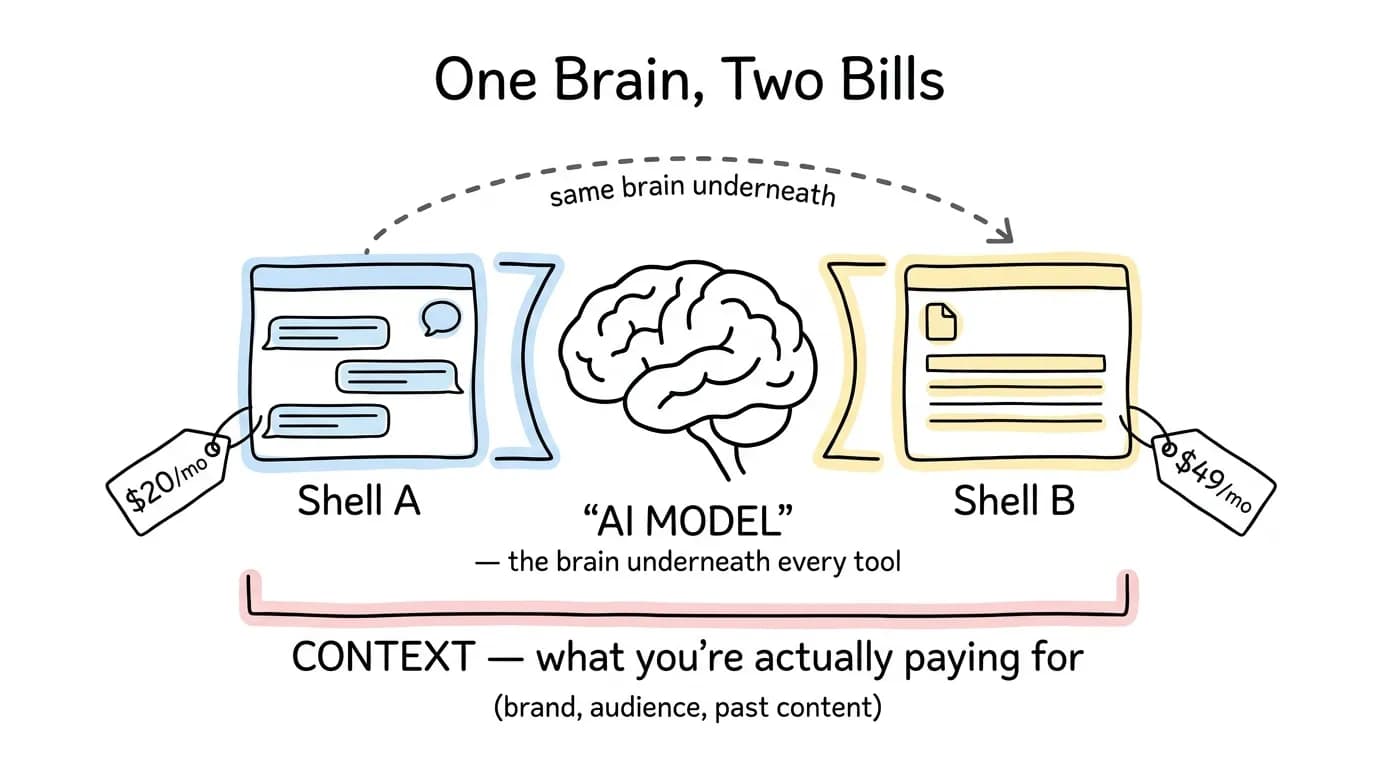
Which AI Should Your Startup Actually Use for Marketing?
A startup marketing guide explaining the difference between AI models and tools, sorting tools by job (writing, research, design, leads, email, video ads), and outlining a 30-day test plan for choosing them. It also covers generative engine optimization and budget trade-offs.
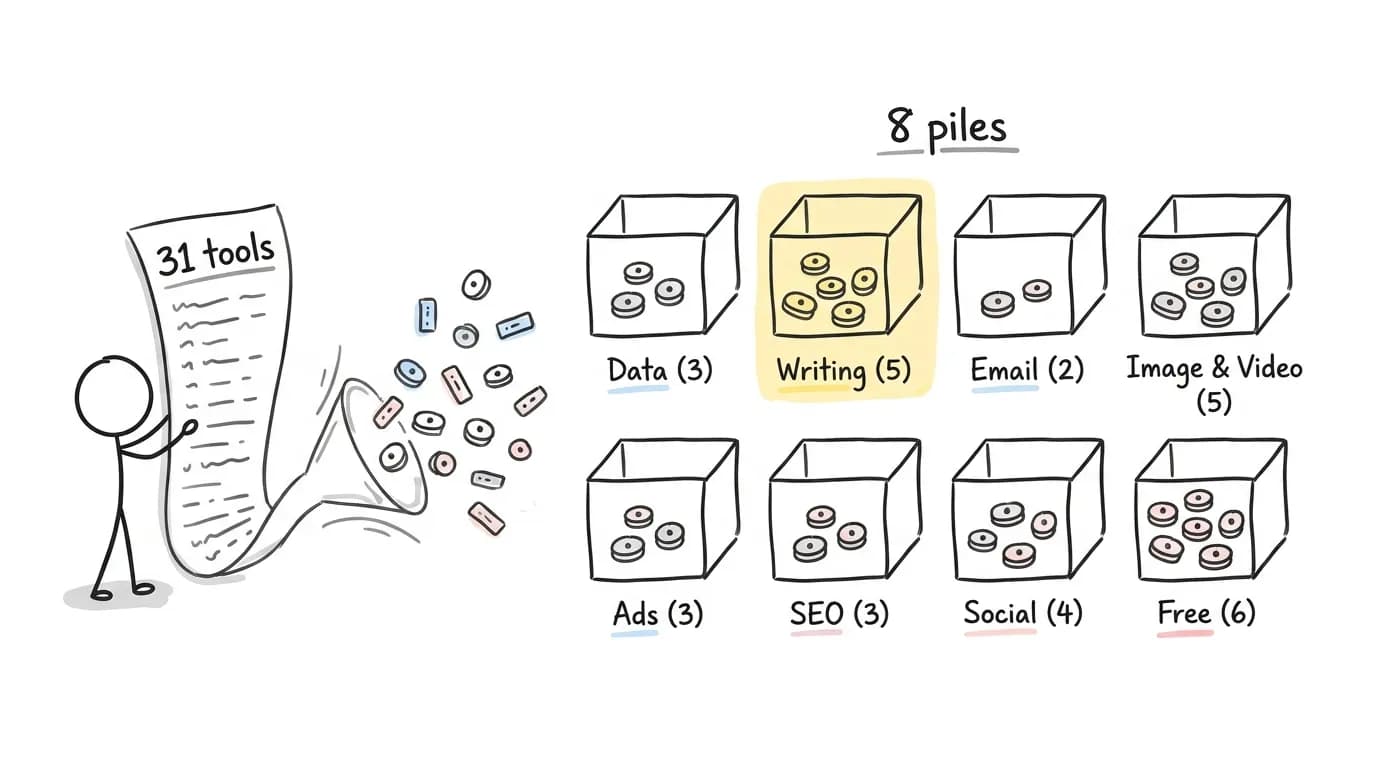
31 AI Marketing Tools, Reviewed One by One: How Exactly Should You Spend the Money?
A review of 31 AI marketing tools grouped into eight categories, covering data, content, email, video, ads, SEO, social, and free options, with guidance on choosing one strong tool for your most frequent task and testing free tiers first.