
The Best Email Automation Doesn't Listen for Clicks. It Listens for Silence.
This learn article argues that effective email automation depends on noticing customer signals, including silence and inaction, and explains how to set thresholds, choose triggers or segments, define exit rules, and prioritize message types.
A few mornings ago, I was buying coffee downstairs from the office.
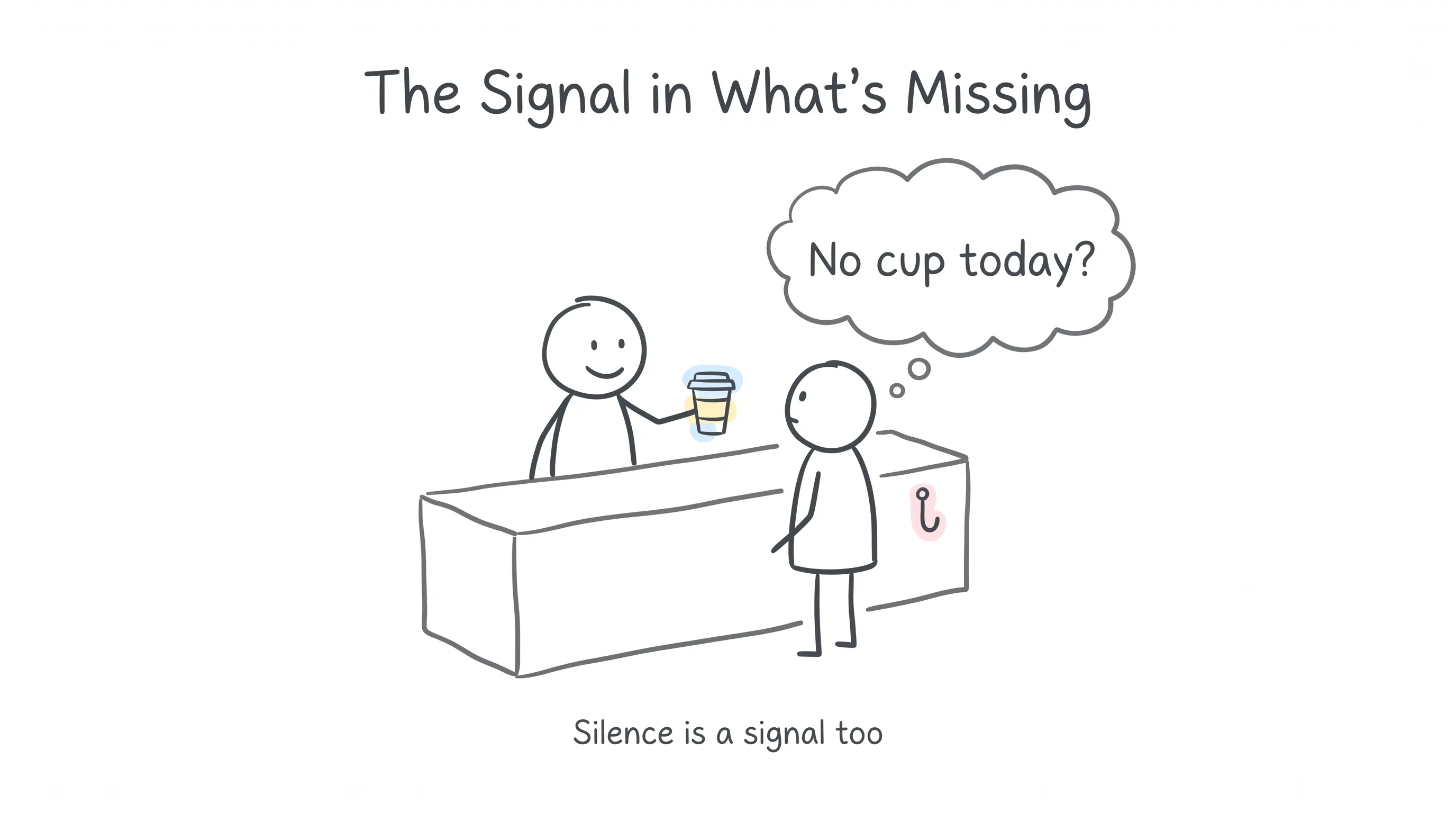
Before I could say a word, the barista rattled off my order: hot latte, less sugar. It happens every day—she remembers how I take it.
Yes, I have my own cup that I bring along daily. That day, I forgot it.
So while she made my coffee, she asked: "Forgot your cup today?"
I never said a thing, yet she noticed first. What she picked up on wasn't what I said—it was what I didn't bring.
Carrying my coffee upstairs, it hit me: those of us in marketing complain all day about not having enough data, but do we actually know how to "listen" to it?
Here's a take that might sting a little:
What you're missing isn't data. It's listening.
What Are Customer Signals?
So what counts as a customer signal?
A customer signal is any behavioral trace a customer leaves behind. A click, a purchase, a question asked—or even doing nothing at all. Each one tells you who this person is and what they'll need next.
It's not just the usual suspects like "abandoned cart" or "feature never activated." It hides in corners you'd never think to look.
Let me give you three examples.
A customer adds an order note: "No shrimp, please—allergic." That's one sentence, and it's also a data point: a dietary preference. Save it, and next time you recommend something, you'll know what to steer clear of.
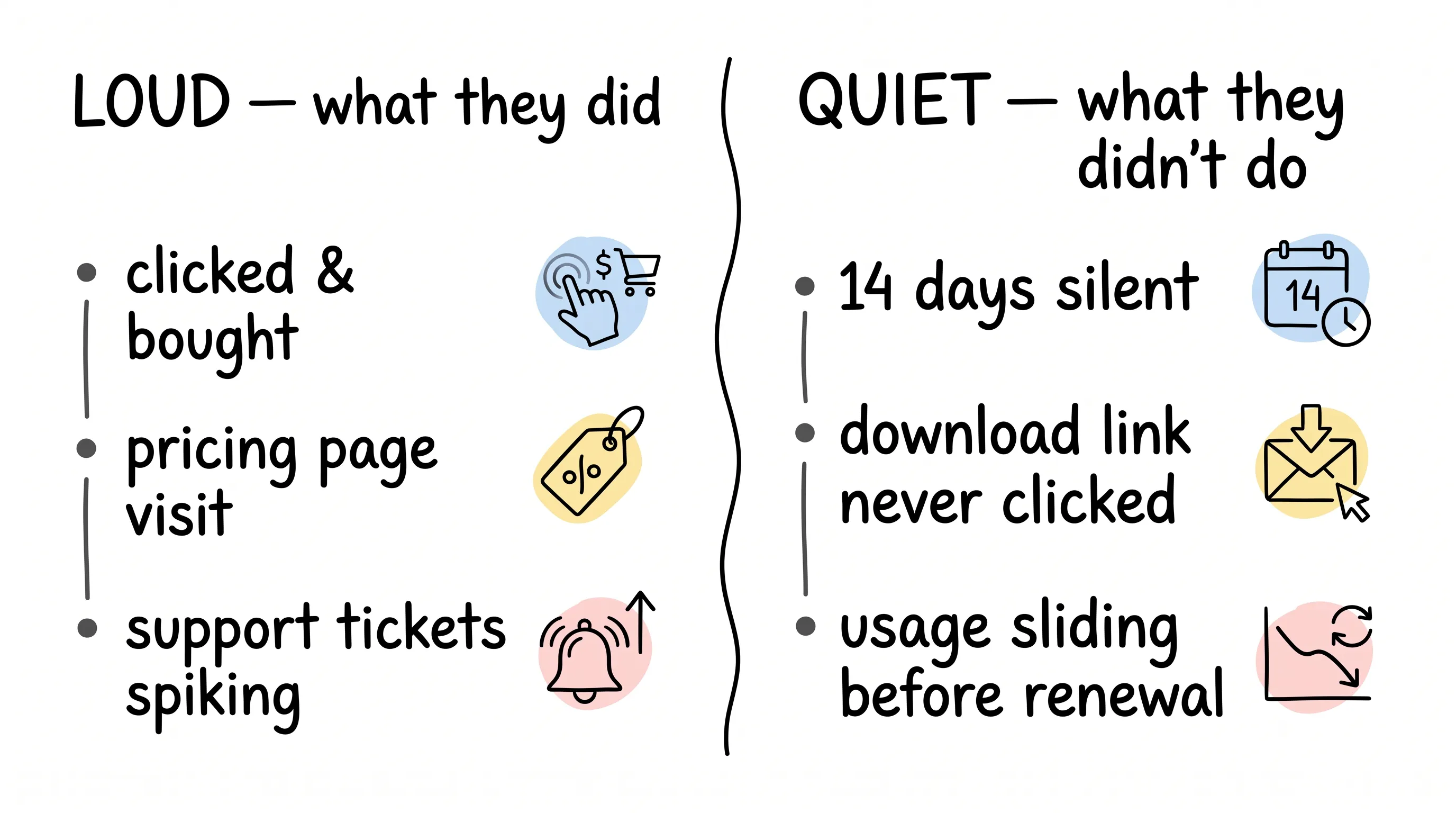
A user requests your ebook, then never clicks the download link in the email. Interest was expressed, and then... nothing. That's when a gentle reminder email is worth sending.
There's also the customer who buys jewelry every September, right on schedule. Have you considered she might not be buying for herself? Birthday, anniversary—it's got to be one of them. So a few weeks before her usual purchase date, send her a nudge.
See? Signals aren't scarce.
What's scarce are eyes that can spot them.
You're Richer Than You Think
I've heard countless teams say: "We can't do personalization—we don't have enough data."
Every time I hear that, I want to ask one thing in return: before spending money buying more data, have you actually listened to what you already have?
Two examples.
On the B2B side. A customer's out-of-office auto-reply comes in: "I'm on vacation, back October 15. For anything urgent, contact my colleague, so-and-so." How many people file that email away as noise?
Take it apart and there are at least two layers of information. First, when they'll be back and whether this is a vacation or a business trip—your sales team can adjust their follow-up rhythm accordingly. Second, they just told you who else is on their team—sometimes someone more senior. Knowing who actually calls the shots in an account is information money can barely buy.
On the B2C side. A customer asks support: "Does this jacket come in blue?"
That single sentence. No blue in stock? When restocked, send a back-in-stock alert. In stock? Put a few more blue ones in the next recommendation and see what happens.
Every support conversation is a free preference test.
OK, so you're willing to listen now. What you'll find next is that signals come in two kinds.
One kind is loud. One kind is quiet.
The Loud Signals: What They Did
The first kind is what customers did. These are the easiest to catch, because they show up as clear events and attributes in your data.
And it's a gold mine.
A new user who completes their first key action within an hour of signing up is a completely different animal from one who takes a week. Different paths call for different emails.
Someone who uses 1 of your 10 features and someone who uses 6 of 10 are not the same customer.
Anyone who starts batch operations, tweaks advanced settings, and plays with the API in week one is very likely a power user. As they grow, your plan needs to grow with them—or they'll take their business elsewhere.
An account using all 10 of its seats? Time to talk about expansion. An account using only 2 of 10? Careful—they're drifting toward churn.
An existing customer suddenly visiting the pricing page? They might be weighing an upgrade, or comparison shopping. A new customer on the pricing page is a different story entirely, with a completely different message to send.
Support tickets suddenly spiking? That's emotion sounding the alarm. Hold off on the promotions; lead with content that solves the problem.
These signals are loud because they land right in front of you with a slap.
The really hard ones come next.
The Quiet Signals: What They Didn't Do
What customers don't do is a signal too.
And often the louder one.
Here's the problem: silence produces no events. In your email system (ESP), triggers are almost all wired to "something happened": clicked, bought, opened. There's no trigger called "he did nothing at all."
So to hear the silence, you first have to do one thing: define "normal" for every customer—or every segment—then set an observation window. When what should happen inside the window doesn't, that's a signal.
Which silences are worth watching?
Stuck mid-way after signup. Integration not connected, teammates not invited, profile half-filled.
Signed up, and then—nothing. The longer the silence, the lower the odds of return.
Usage quietly sliding down, especially ahead of renewal day. This is the single strongest churn warning you'll ever get.
A feature they used daily suddenly abandoned. Why? A bug, or a replacement found elsewhere? You have to ask.
Got the "card declined" notice but never updates their payment method. Don't rush to put them on the churn list. Most of the time, that's not a decision—it's forgetting.
Points and rewards sitting untouched. A member who no longer thinks about their points isn't far from leaving.
But there's a trap here I have to flag:
Not all silence is churn.
Some products are naturally used once a week or once a month—only when needed. Measure them against a daily-active standard and you'll wrongly condemn a whole crowd of good customers.
Silence must always be compared against "their normal," never against the average.
From Hearing to Acting
Hearing it is only half the job.
The other half is turning the signal into an email that actually deserves to be sent. That takes four decisions.
Decision one: how big a signal is worth acting on?
The phrase "low usage" means nothing on its own. How low is low? 7 days without login? 14? 30? Don't guess. Dig into your data and see how long the customers who eventually churned typically went quiet before leaving. Set your thresholds from your own churned customers, not anyone else's.
Decision two: trigger or segment?
If the signal is a specific action, build a trigger. Say they skipped a setup step—three days later, send an onboarding email.
If the signal is a trait shared by a group, build a segment. Everyone using fewer than 3 features goes into one group, and gets regular feature tutorials on a schedule.
Decision three: when do you exit?
A customer booked a demo right after your reminder. The second reminder should then be stopped forever. The bare minimum of automation etiquette: don't keep shouting in place when your customer has already moved on.
Decision four: when messages collide, who goes first?
In a big promotion season, the promo blast, routine marketing, and automated emails can easily land on the same day. The priority is actually clear: transactional emails always come first. Triggers next, because they respond to something the customer just did. Promotions last.
A customer whose credit card was just declined should not get your cheerful discount notice that same morning.
Finally, Back to That Cup of Coffee
Where do customer signals live? In support conversations, in auto-replies, in product data, wherever your customer pauses.
If you're going to build this, don't try to do everything at once. Pick the few touchpoints that matter most to your business, connect them to your email system, get it running, and grow from there.
The best lifecycle marketing isn't about who shouts loudest. It's about who listens best.
Listen to what they do—and, above all, to what they don't.
Your customers send you signals every single day.
Don't miss the call.
And may you one day meet the barista who notices you forgot your cup.
Continue reading
Related articles
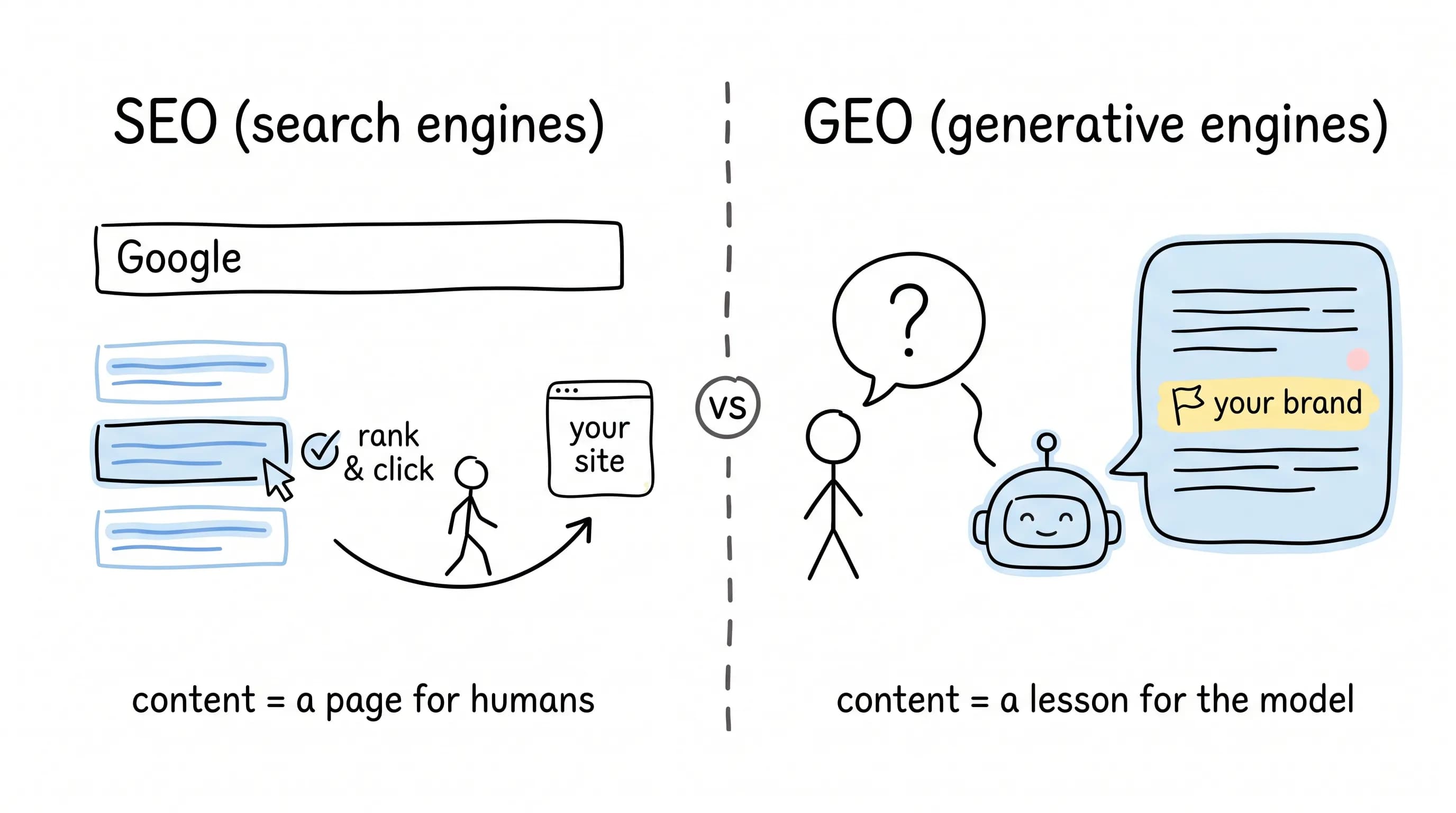
Does AI Know Your Brand? A Look at GEO, the New Craft
An explainer on GEO (Generative Engine Optimization): how AI engines like ChatGPT, Perplexity, and Gemini differ, how GEO goals and metrics diverge from SEO, and which SEO skills still carry over.
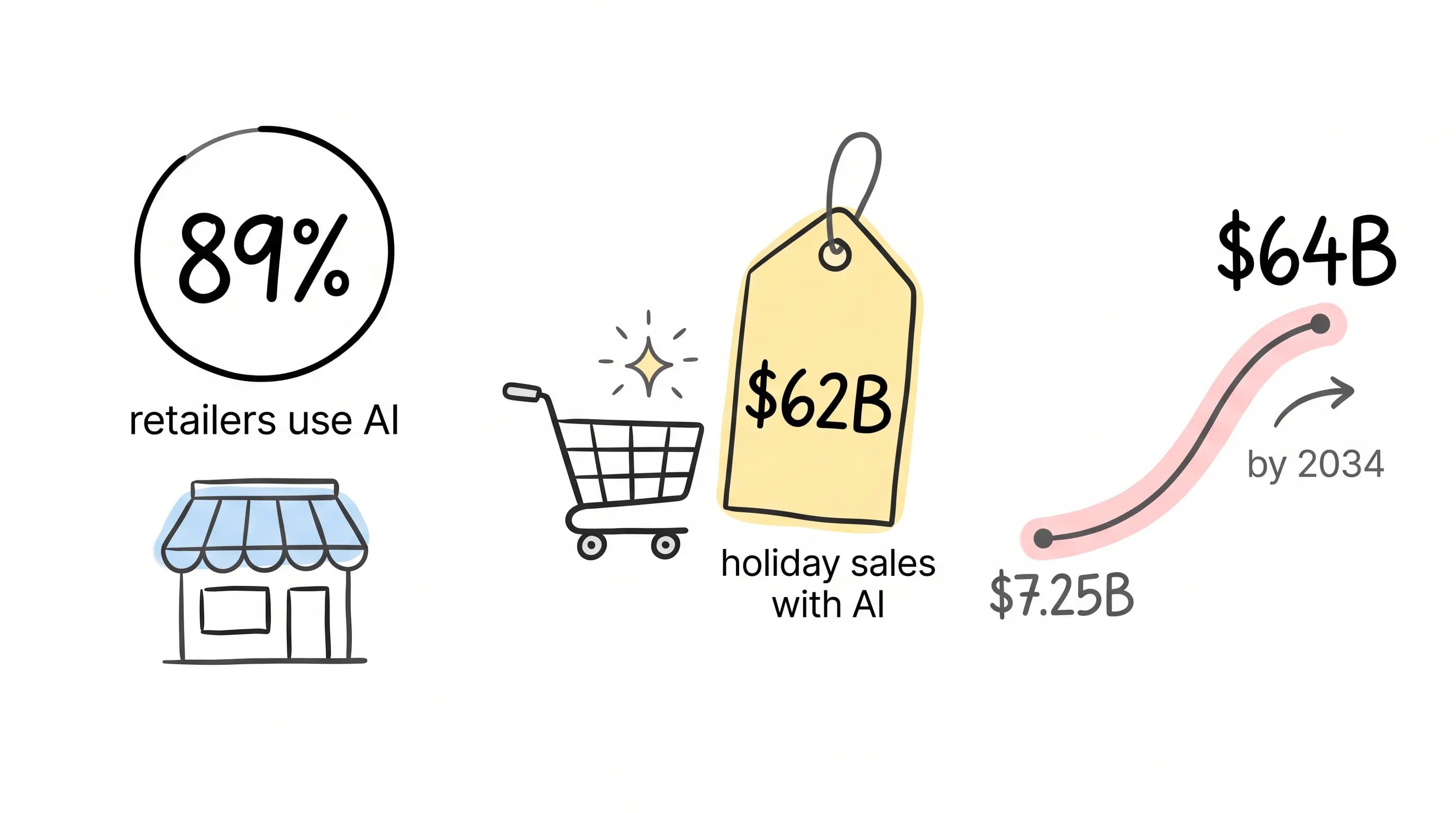
89% of Retailers Are Already Using AI. The Playbook for E-Commerce Has Changed
A learn article on AI in e-commerce: adoption context, use cases from recommendations, search, dynamic pricing, customer service, inventory, and fraud control, plus B2B applications, generative AI content, tool examples, pitfalls, and a six-step adoption path.
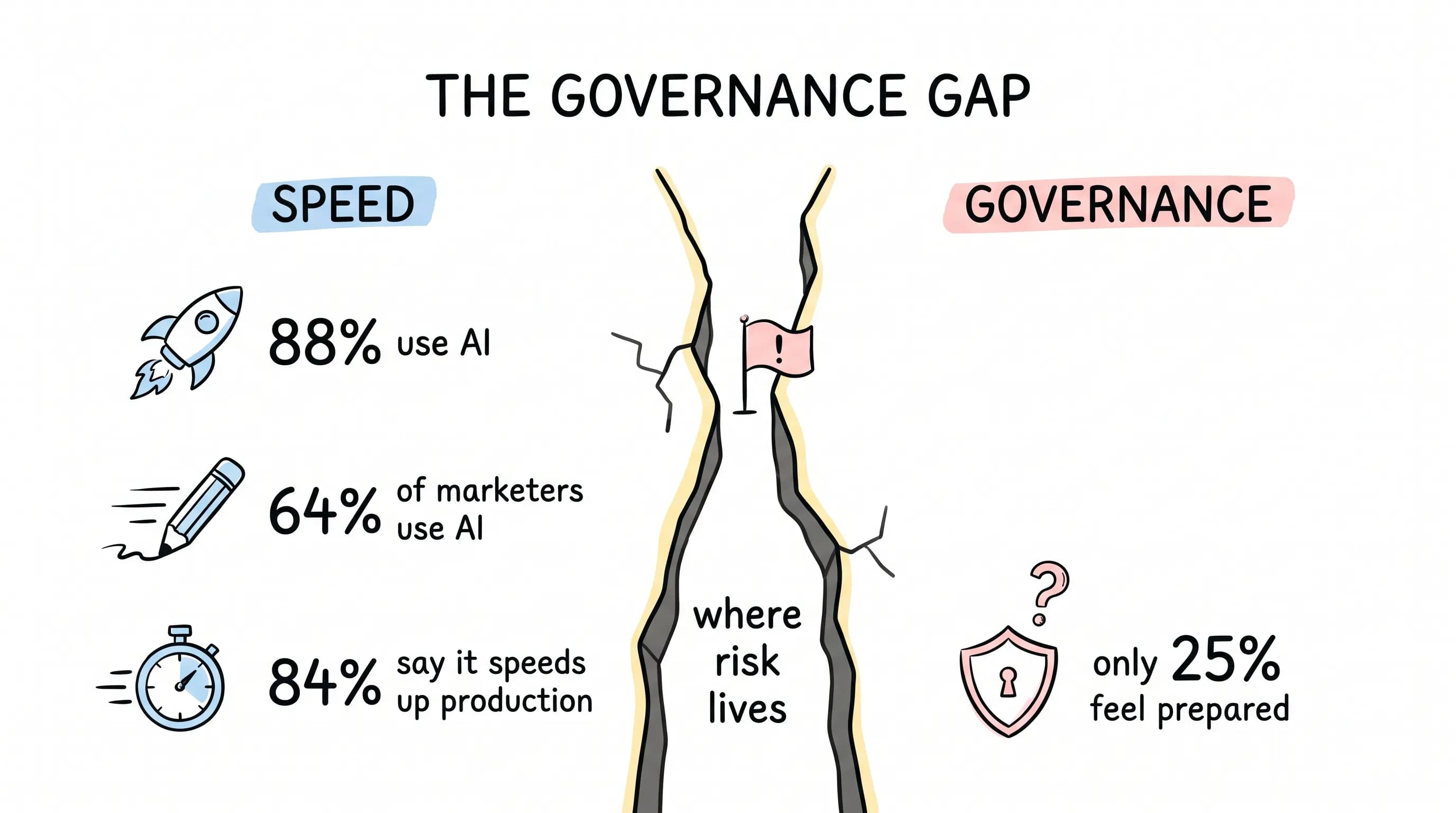
AI Makes Content at Lightning Speed — But Can You Answer "Who Approved This?"
This article looks at the gap between AI content speed and governance readiness in marketing teams, and outlines nine control points — prompt validation, brand guardrails, permissions, approval workflows, human review, versioning, IP checks, audit trails, and asset reuse — for brand-safe AI content.