
The AI Influencer Business Hinges on a Single Word: Trust
A learn article discussing how consumers follow and share AI influencers but trust them less than human influencers, based on a 2021 marketing experiment, and what this means for brand influencer strategy.
Late one night, scrolling through my phone, I came across an influencer sharing travel outfits. Skin, smile, tone of voice — all of it on point. I followed her without thinking.
Only after the tap did it register: this "person" doesn't exist.
She was made by AI.
My God. I didn't hesitate for even a second.
Which suggests that our judgment of what counts as a "person" may already be loosening. But today I want to ask a question that cuts closer: you're willing to watch her, follow her, even share her — but do you dare trust her?
Those two actions aren't worth the same — not even close.
First, the Ledger of an Experiment
Back in 2021, a set of marketing experiments tested exactly this. In an Instagram setting, they built a batch of influencer accounts — half real people, half AI — aligned the content style, and let consumers judge.
The results were interesting.
Start with what showed no difference. Willingness to follow: no difference. Perceived personalization: no difference either — consumers felt that the content an AI influencer gave them understood them just as well as a real person's did.
In other words, you don't mind following a fake person at all.
Now the parts where differences showed up, and the picture changes.
AI influencers scored clearly lower on credibility. The same recommendation: if a human says it, you believe it; if an AI says it, you take it with a grain of salt.
Interestingly, one metric ran the other way: word of mouth. AI influencers were actually more likely to make people want to repost, share, and mention them to friends.
Follows unchanged, trust discounted, word of mouth up.
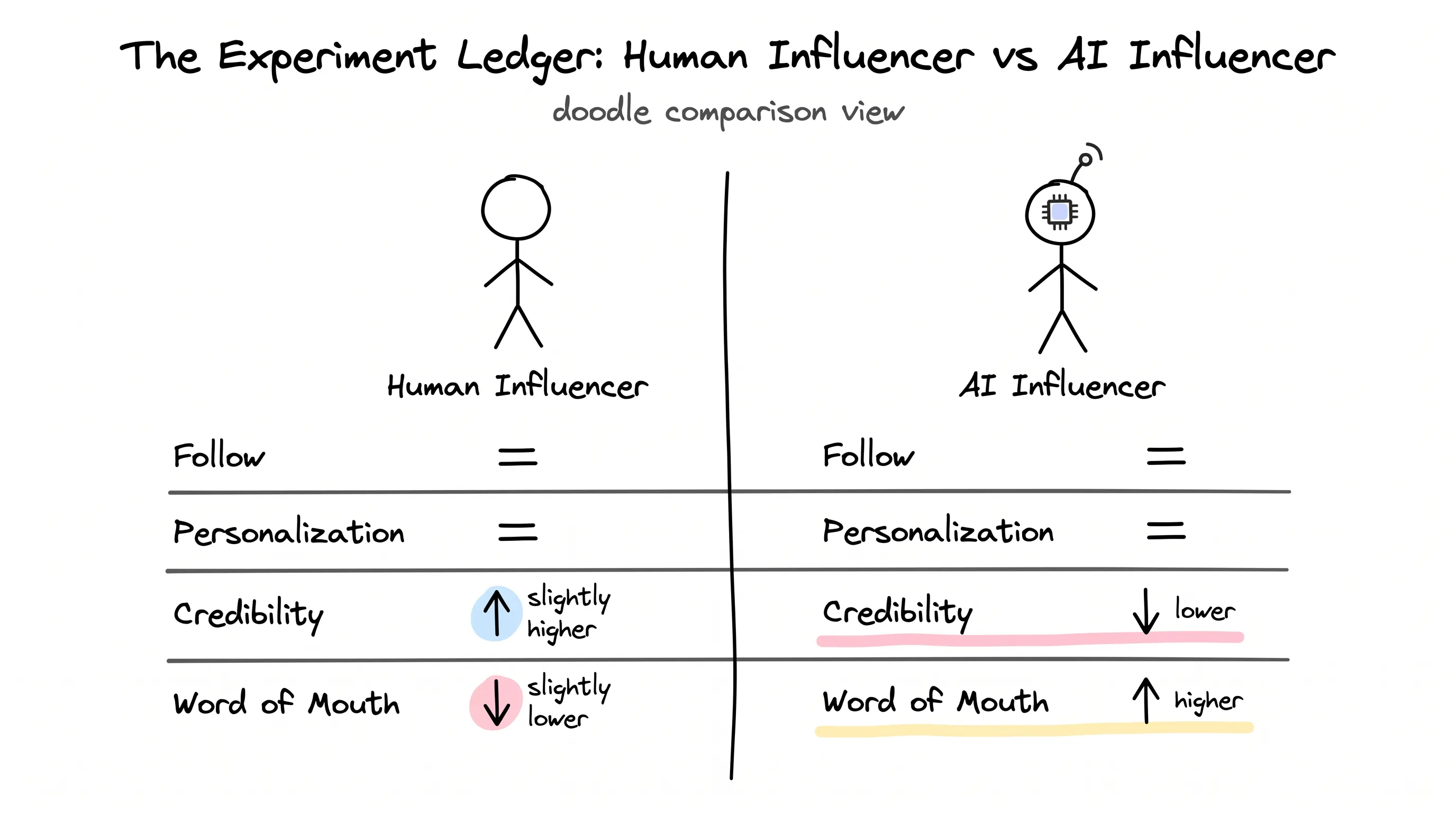
That's a strange ledger. Where does the strangeness come from?
What Is Social Distance?
The answer hides in a single term: social distance.
What is social distance? It's that sense of "she's one of us" between you and her.
A human influencer posts her breakfast, her failures, her meltdowns, and you think to yourself: ah, she's just like me. The distance closes. And when the distance is close enough, you dare to trust.
What about an AI influencer? Perfect, polished, always online. You can't empathize with her, because she has no life to empathize with. And just like that, the distance widens.
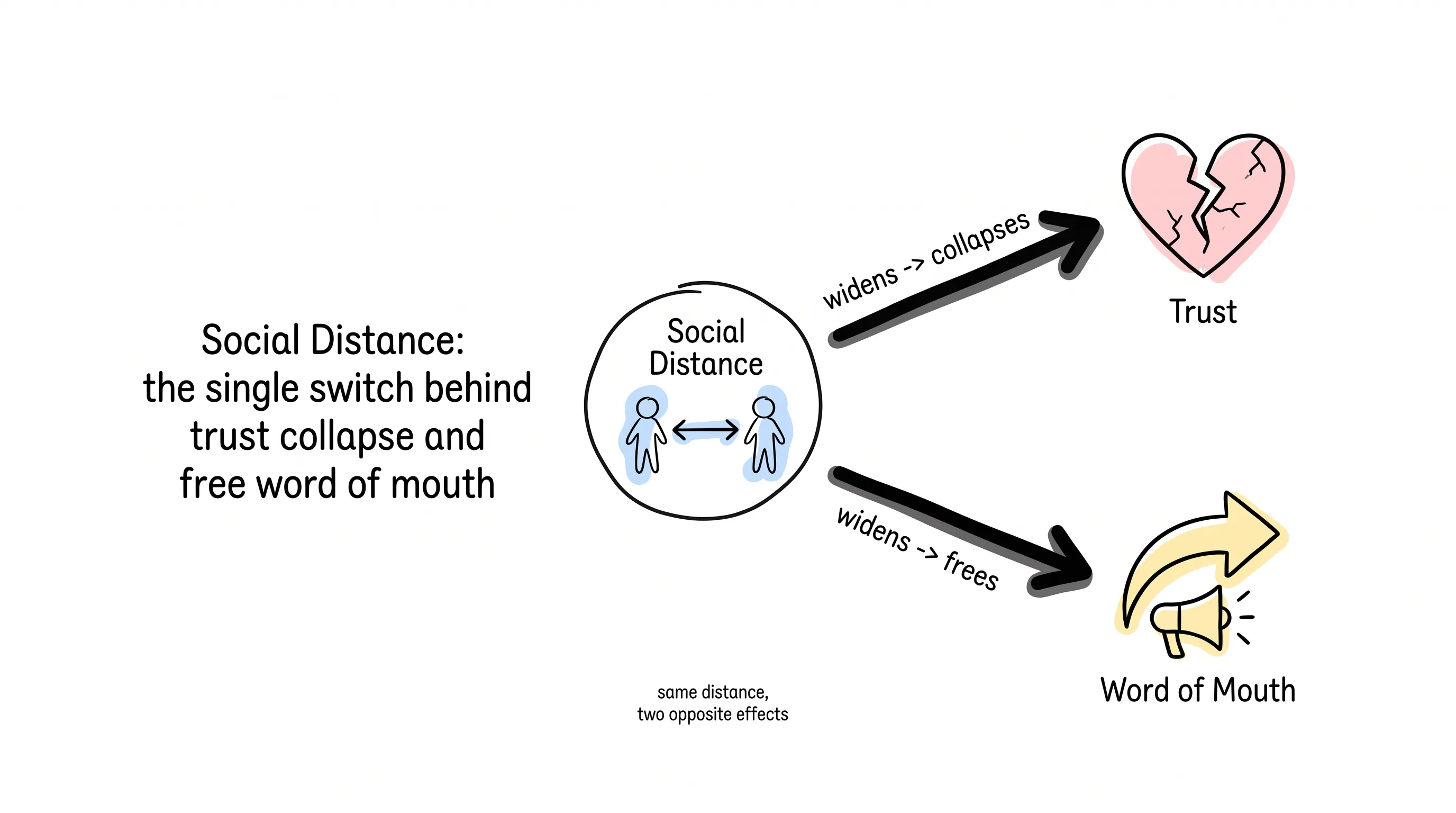
Once the distance widens, two things happen at once.
First, trust collapses. Trust needs "one of us" as its foundation — and the foundation is gone.
Second, sharing actually gets easier. Think about it: repost a human influencer's recommendation, and your friends might wonder, "how could you fall for that?" There's social pressure. Repost a virtual influencer, and everyone silently agrees: it was fake to begin with, it's just for the fun of it. The pressure evaporates.
The same layer of distance kills trust on one side and sets word of mouth free on the other.
Distance can buy you closeness — and it can also buy you a free pass.
The Ones Most Afraid of Twinning Fall Hardest for This
The experiments also dug up something subtler.
There's a group of consumers who care intensely about being "different from everyone else." The jargon for it is a high need for uniqueness.
For this group, AI influencers are actually more attractive.
Why? Think about it: a human influencer will always eventually implode, and will always be imitated by millions — today everyone wears her outfit, tomorrow everyone copies her look, and your uniqueness gets diluted in an instant. A virtual influencer's aesthetic is designed, her scarcity is built-in, and you won't find a second fan of hers anywhere in your feed.
The more you dread showing up in the same outfit, the more you love that custom-made fake flower.
The Real Trap: Who's Behind the Curtain
The experiments also tested a boundary condition — and I think it's the single most valuable finding for brands.
AI influencers have two ways to live. One: run autonomously, like a character with a genuine personality, posting her own content, growing on her own, making her own mistakes. Two: be fully controlled by the team behind the curtain — hawking snacks today, face masks tomorrow, a puppet on strings.
The result: the second kind performed clearly worse.
In other words, consumers aren't fools. They may not be able to tell whether you're human, but they can absolutely tell whether you're "a person."
Fans can accept that you're fake. What they can't accept is that you're being manipulated.
Actually, human influencers are no different. Take on too many sponsored deals, over-polish the persona, and fans will walk away all the same. AI just magnifies the problem to its extreme: from the day it's born, it's all backstage.
And There's One More Layer Most People Miss
The experiments also mention a spillover effect.
Over these past years we've all been "trained" by AI-driven recommendations: the "Recommended for You" on shopping platforms, the default rankings on delivery apps, the feeds on short-video apps. When it comes to machine recommendations, we've already developed something like muscle-memory acceptance.
And that acceptance transfers straight onto AI influencers.
Put another way: AI influencers don't start from zero. The algorithms feed you hundreds of times a day — you've been quietly paying its tuition all along, without even knowing it.
So What Should Brands Do?
The warning the experiments offer is blunt: don't rush to swap human influencers for AI.
Here's how the ledger reads. AI influencers win on cost, control, and never imploding, plus being online around the clock; they lose on trust. And the loop of marketing only closes when trust leads to purchase. Follower counts and engagement are process metrics; trust is the last gate before the deal is done.
So my read is this: AI influencers work for buzz, for novelty, for youth-oriented experiments. But the trust-critical recommendations that carry your word of mouth — for now, those still belong to humans. Or to AI that is "more human": a stable persona, a continuous personality, not yanked around by whatever sponsor comes calling.
Finally
Back to that late-night outfit post from the beginning. I followed it, and I'll probably share it with friends for a laugh.
But if one day it got serious and recommended a face cream — asked me to actually pay — I'd probably pause for three seconds.
Those three seconds are the entire cost of the virtual influencer business.
Wishing you freedom to follow. And wishing you trust that carries a price.
Continue reading
Related articles
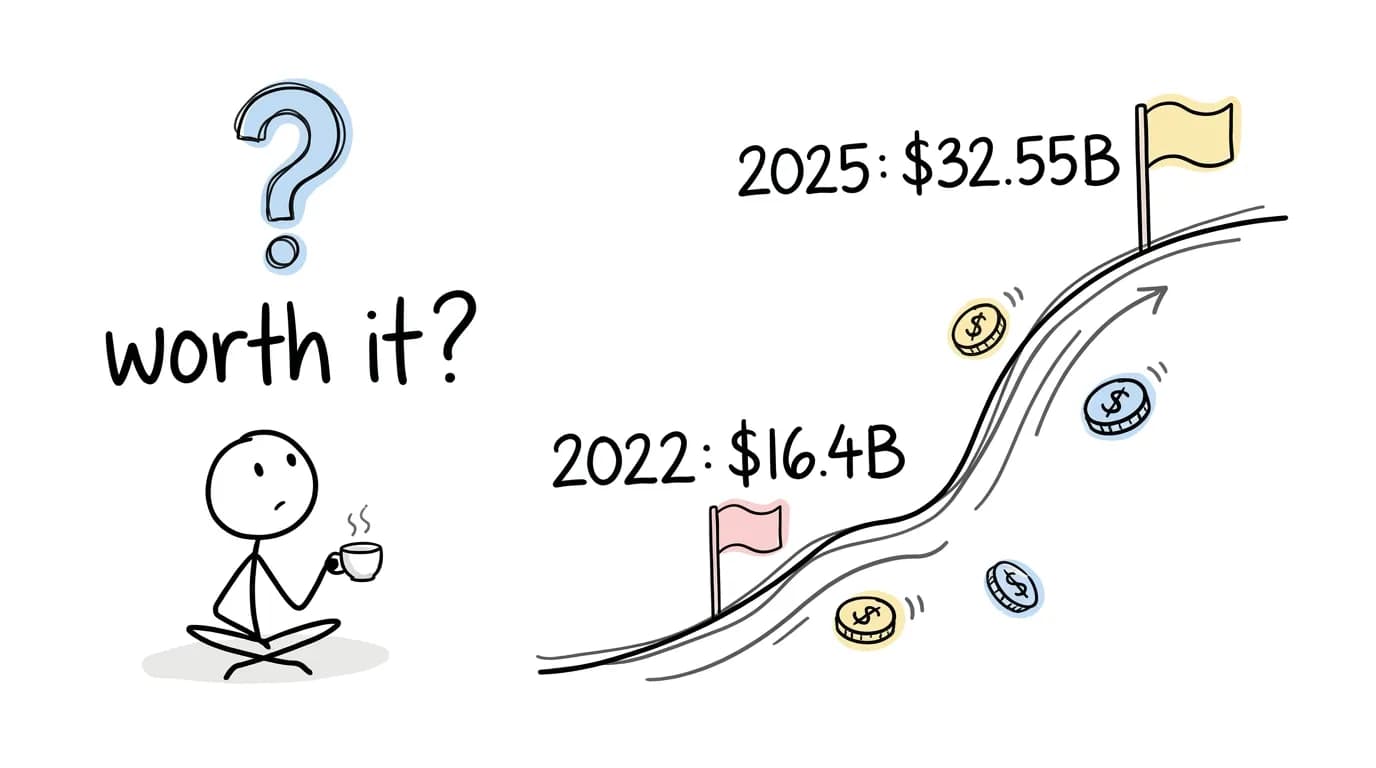
Is Investing in Influencers Actually Worth It? I Broke Down These Dozens of Numbers and Ran the Math for You
A learn article that compiles industry data on influencer marketing, covering market size, ROI measurement practices, nano versus mega creator pricing and engagement, platform budget allocation, AI tooling, and ad disclosure compliance.
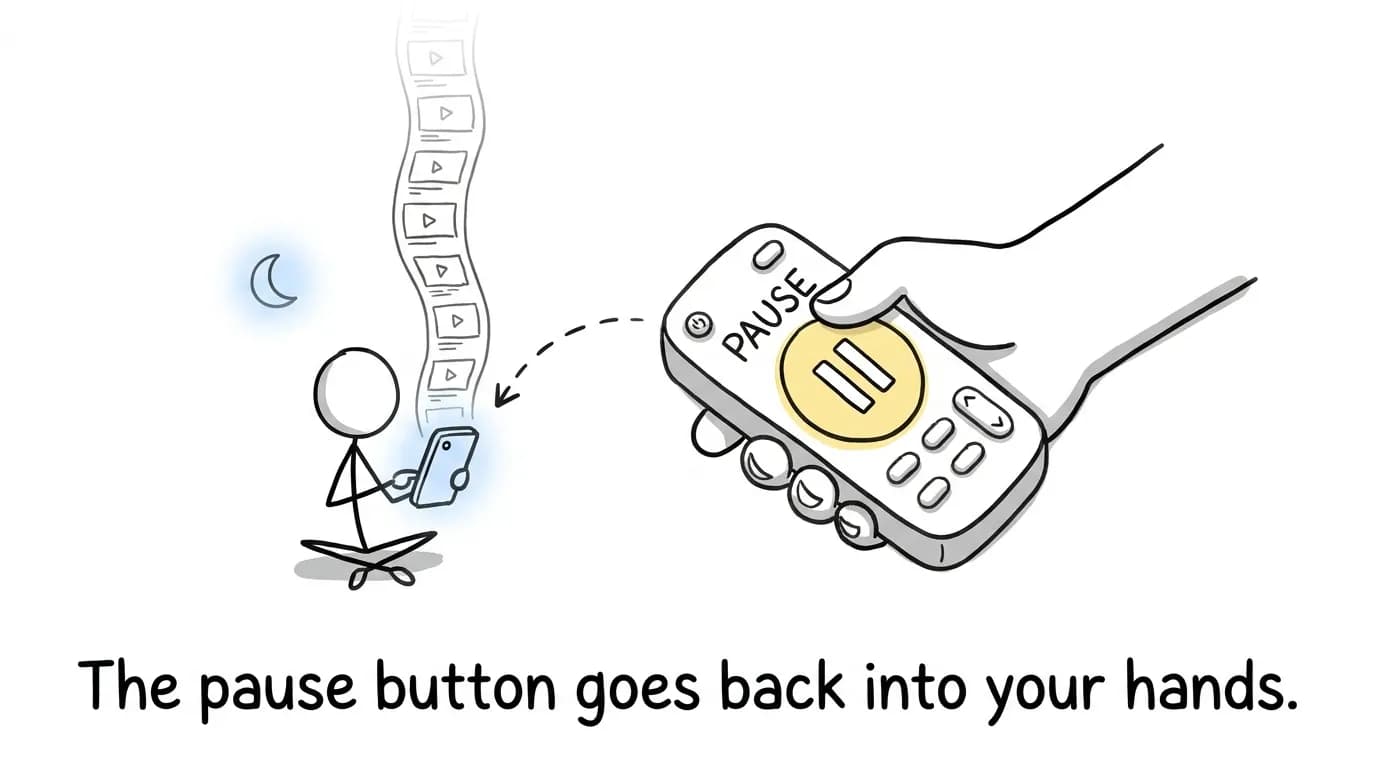
The EU Is Handing the Pause Button Back to You
The EU's draft Digital Fairness Act targets dark patterns, addictive design, undisclosed influencer ads, silent subscription renewals, and game spending by minors, while keeping dynamic pricing legal but banning drip pricing; fines could reach 6% of annual turnover.
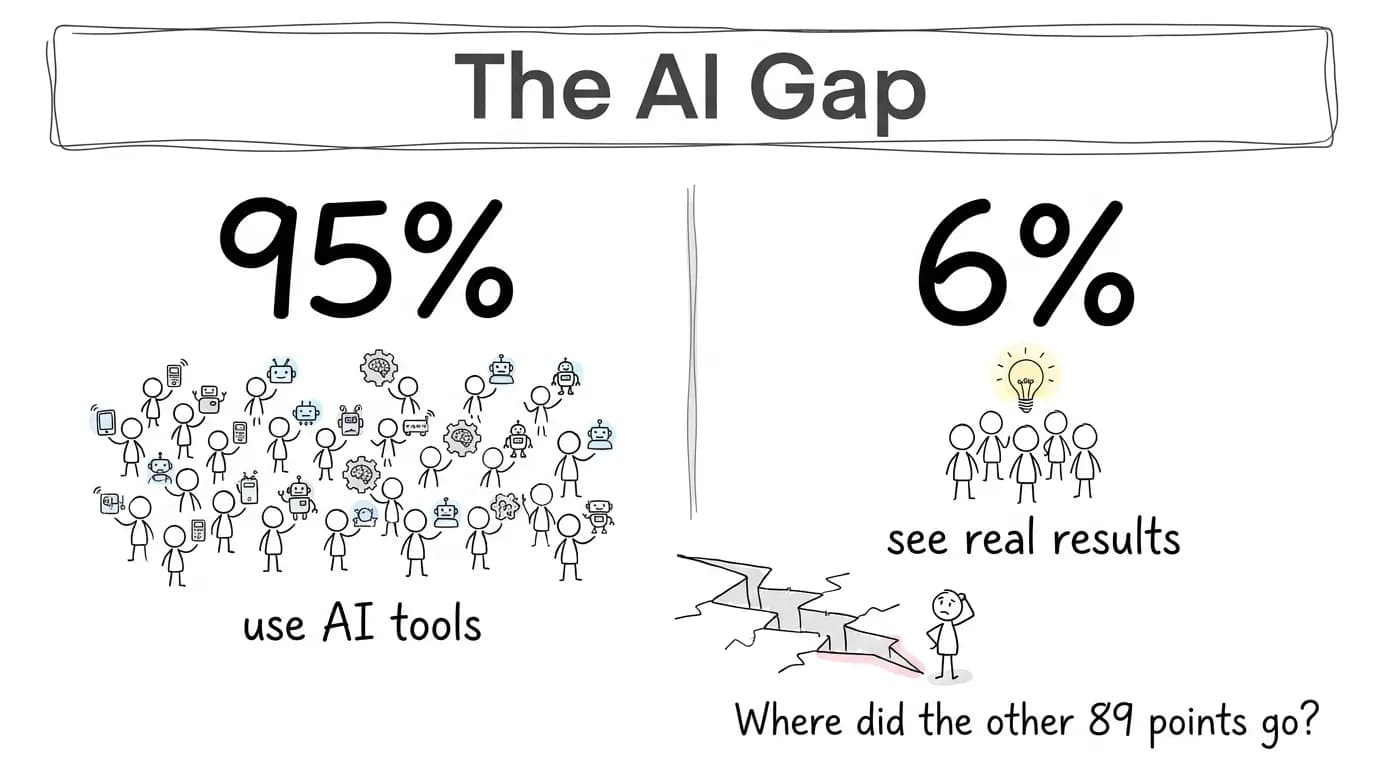
95% of Companies Use AI. Only 6% See Real Results. What's the Gap? Kolsquare's New Report Nails the Answer
A recap of a Kolsquare webinar on AI in influencer marketing, covering adoption gaps, AI-labeled content engagement, AI influencer limits, and generative engine visibility. It also outlines four practical moves for 2027 planning.