
Sixteen Years After Selling His Company, He's Buying It Back: European Cross-Border E-Commerce Is Being Reshuffled
A news roundup on European cross-border e-commerce shifts, covering platform and logistics changes, new EU and German compliance rules, and AI marketing updates relevant to sellers.
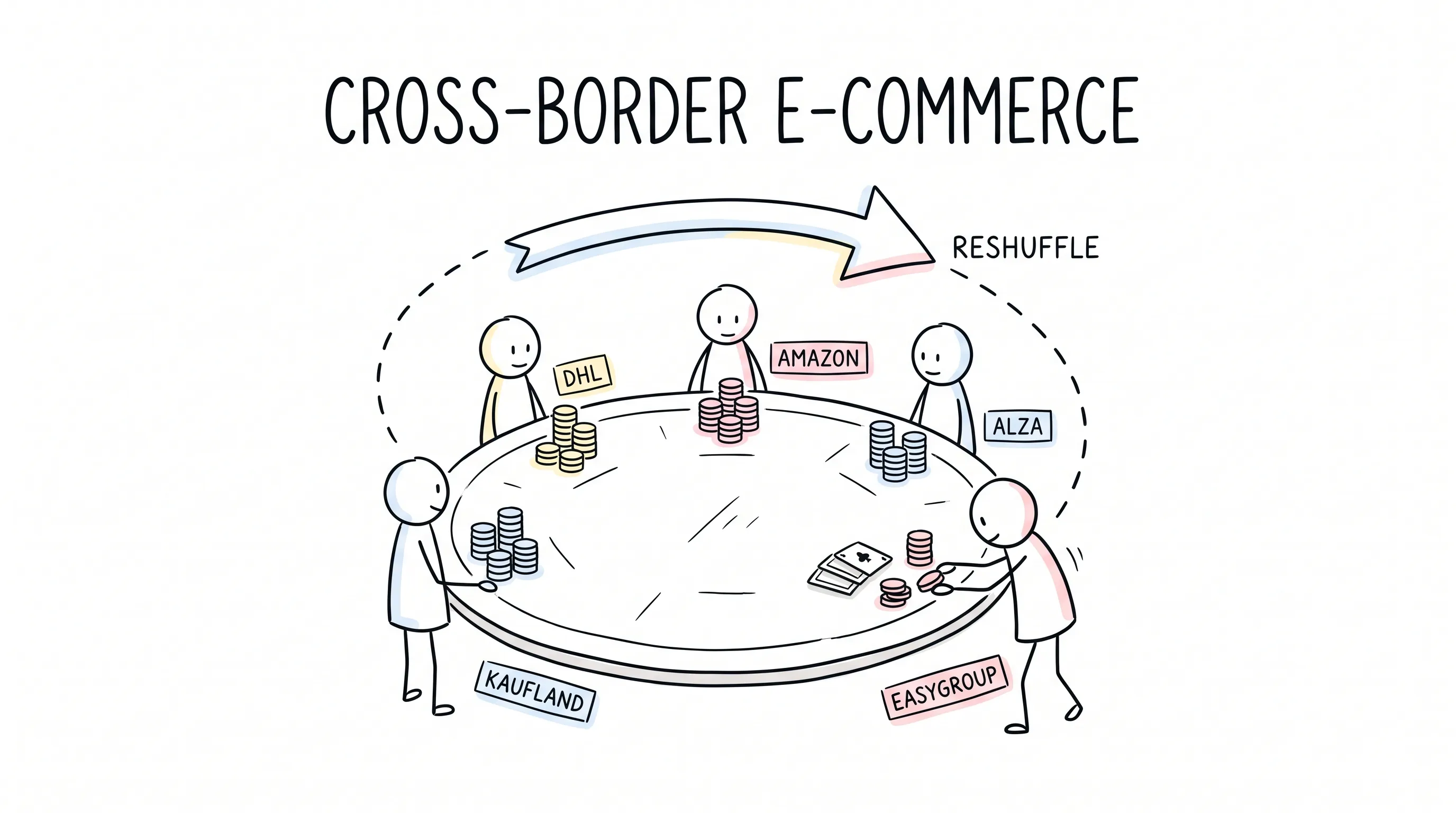
A while back, a news item stopped me mid-scroll.
The founder of PriceMinister, a venerable French e-commerce platform, is preparing an acquisition — to buy the platform back from Rakuten.
What do I mean by "buy back"?
In 2010, Rakuten acquired PriceMinister. Sixteen years later, the founder wants to put up his own money and bring it home.
When a founder wants to buy back the company he sold sixteen years ago, it's because he sees something others don't.
What does he see? I followed the story down the rabbit hole, and the deeper I dug, the clearer it became: over the past six months, the table in European cross-border e-commerce has been getting reshuffled.
Today, let me walk you through what I found.
1. At the Table: Who's Raising the Stakes
Start with the platforms.
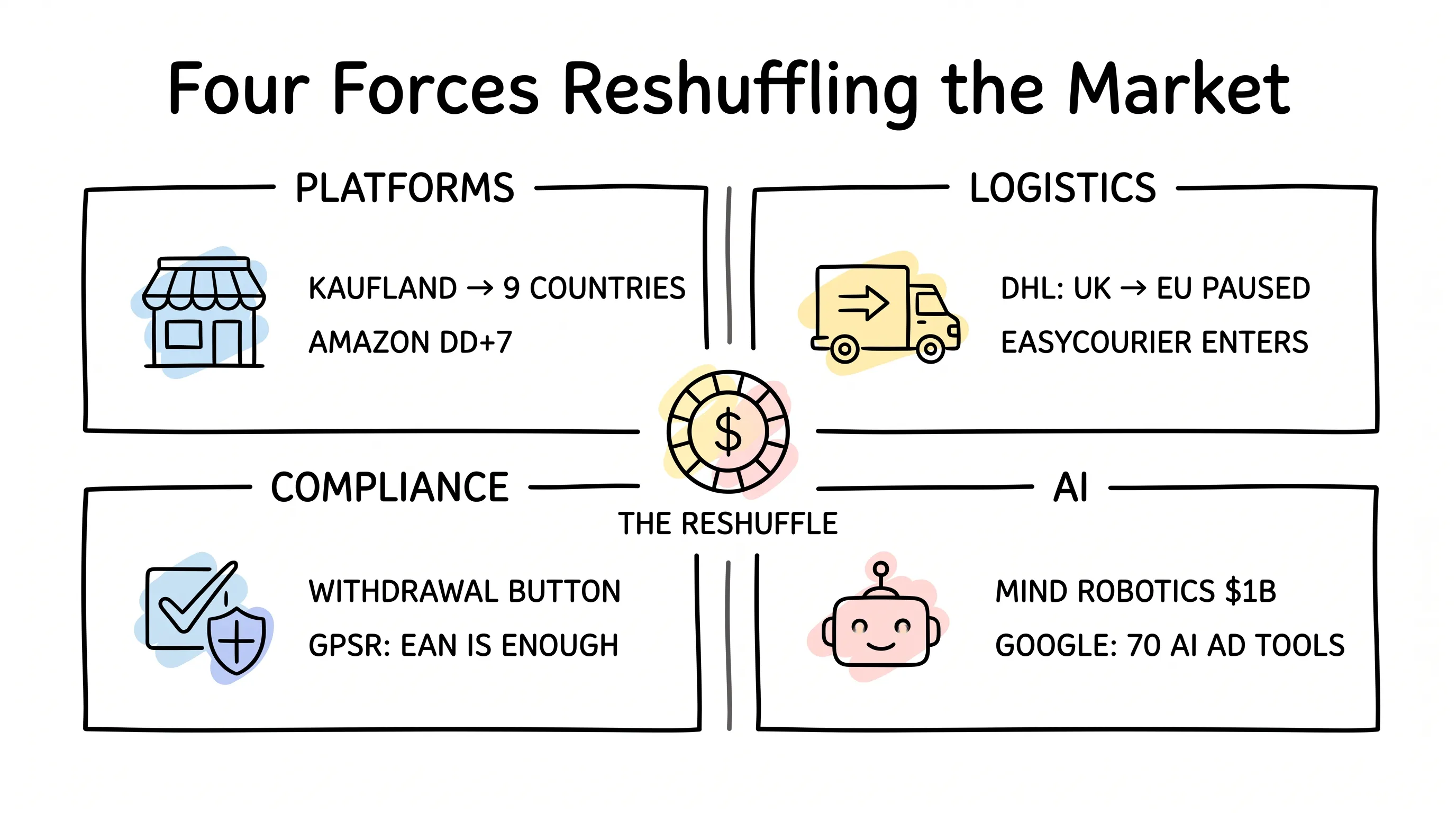
Kaufland, the German retail giant, is expanding its online marketplace into Spain and the Netherlands. Once they go live at the end of summer, its marketplace will cover nine countries. Cross-border sellers can register for the two new marketplaces right now.
Think about it: why would a company that built its business on big-box brick-and-mortar stores push so hard into online platforms?
Because business follows traffic. Every new marketplace is one more road for sellers to reach European consumers.
Kaufland is raising its stakes; PriceMinister's founder is buying his chips back. And Amazon? It's going after sellers' wallets.
Amazon recently switched to a payout model called DD+7. What does that mean? It now takes longer for your money to reach you.
Sellers are up in arms. Some are scathing: on this switchover, Amazon's communication was terrible.
Anyone doing cross-border knows: cash flow is life. Your goods are sitting at sea, the factory needs paying, the ad spend keeps running — every extra day before the platform pays out squeezes your cash position a little tighter.
My take is simple: platforms compete for sellers, and sellers do the math on cash flow. Whoever is gentler with sellers' money, sellers vote with their feet.
2. The Goods Are on the Move — and So Are the Roads
The table may be shuffling, but the goods still have to be delivered. And logistics, for one, is changing plenty.
Starting July 1, DHL Globalmail suspended parcel services from the UK to the EU.
The reason sounds almost absurd: new customs rules arrived, and the carrier simply wasn't ready, so it had to pause first.
The ones hurting are the UK's online shop owners. Cross-border orders cut off overnight, and they're scrambling worldwide for alternatives.
See what happens? When policy shifts, it's always the unprepared who get hurt first.
Meanwhile, easyGroup, easyJet's parent company, is going the other way — diving headfirst into logistics. It has absorbed a Cypriot logistics company and renamed it easyCourier, entering through last-mile delivery with ambitions across Europe.
An airline getting into ground courier. This business is starting to look like a walled city: those inside want out, those outside want in.
Domestic German DHL is moving too. Starting next year, all small domestic parcels in Germany (Päckchen) will come with tracking. It has also tightened address verification: get the address wrong and your parcel may be delayed — and may cost you extra.
There's something refreshingly honest about this move: plenty of "lost parcels" in the past, traced to the end, turned out to be "wrong addresses." Now the boundaries of responsibility for every single order are drawn more clearly.
Deutsche Post started paving this road even earlier: its adjustments are already scheduled through 2027, when the size and weight standards for large letters and oversize letters will change. Weight limits loosen a bit, but height limits get squeezed lower.
What does that mean? Lots of existing packaging may no longer qualify and will need redesigning. Change the packaging, change the costs.
But there are heartwarming changes too. DHL is preparing to support pay-at-your-door: for customs duties and top-up postage, you can just tap your card in front of the courier — no more digging through drawers for cash.
For cross-border shopping, this is huge. Plenty of parcels used to stall at the doorstep simply because no one was there to pay the duty. Smooth out that link, and delivery success rates climb.
Every millimeter of change in logistics eventually becomes a line item on your cost sheet.
3. The Compliance Sieve Keeps Getting Finer
Speaking of costs, we have to talk compliance.
If compliance was an elective a few years ago, it's a required course now.
Germany first. Starting June 19 this year, every online shop must offer a "withdrawal button" — consumers who have second thoughts after checkout can undo it with one click. Even platforms like Etsy are scratching their heads over how to comply.
The courts haven't been idle either. Germany's distinctive Abmahnungen — cease-and-desist letters where industry peers sue each other — are now being scrutinized by courts for the sender's motives. Making a living off warning letters just got harder.
At the EU level, three things are worth noting.
First, the European Commission published a code of conduct on AI content labeling, effective August. AI-generated content has to identify itself.
Second, the courts ruled that Google is liable for misinformation in its AI Overviews. Even the search giant has to answer for what its AI says.
Third, one ruling made it clear: under the EU General Product Safety Regulation (GPSR), an EAN code on the product packaging is enough to complete product identification — no need to print full details on the product itself.
Don't underestimate this one. For large numbers of sellers, it's real, tangible relief.
But there's added burden too. Germany's packaging register (ZSVR) has issued an interpretation of the new EU packaging law: even if a retailer merely sticks a shipping label on a parcel, it can be deemed a party responsible for packaging — and carry the reporting and fee obligations that come with it.
One label stuck on, one stack of obligations added. Many sellers still don't know where this line is drawn.
Two more legal items, both involving Amazon.
One: Amazon itself is embroiled in lawsuits — a class action that could run into the billions of dollars over alleged advertising fraud, and a consumer class action with nearly 330,000 plaintiffs.
Two: a new title rule effective July 27 lets the platform proactively rewrite sellers' product titles. Which raises the question: if the platform's rewritten title causes a problem, whose fault is it?
There's no standard answer yet. But Amazon sellers need to keep this worry front of mind.
And then there's the more mundane kind of headache. On Etsy, a seller ran into a customer who entered the wrong shipping address, lost the goods, then came back demanding the seller refund the shipping.
You heard that right. Customer enters wrong address; seller gets asked to refund the shipping.
How it played out doesn't matter. What matters is the reminder to every seller: in your terms of service, is liability for address errors spelled out clearly?
Oh, and friends doing business in Europe — the July 31 annual financial filing deadline has come and gone. If OSS (the EU One-Stop Shop) and returns handling had you scrambling this year, start earlier next year.
Compliance isn't a cost. It's a ticket. No ticket, no seat in the game.
4. The AI Arms Race: Money Only Gets You in the Door
AI news over the past six months has been numbing. But two stories deserve a pause.
The first is about money. RJ Scaringe, CEO of Rivian, has founded a humanoid robotics company called Mind Robotics, raising over $1 billion.
An EV maker pivots to humanoid robots — and opens with a billion-dollar raise.
Why? Think about it: once humanoid robots mature, the first places to be transformed are warehouses and logistics. Picking, sorting, loading, unloading — even last-mile delivery could be redefined.
The cost structure of cross-border business may be rewritten because of it.
The second is about capability. The consultancy Merkle put out a report with a concept that stuck with me: the "Agentic Readiness Gap."
What's a readiness gap?
Plainly: everyone is pouring money into AI, but far fewer companies are actually converting it into competitive advantage. The money went out; the capability never grew in.
I buy this diagnosis. Tools are always there for the taking; the gap grows inside the organization.
The tool side is sprinting too. At this year's Marketing Live, Google rolled out 70 AI-powered ad features in one go — creative generation, audience targeting, campaign optimization, all rebuilt with AI.
For cross-border sellers, the most practical value is localization: getting ads to automatically "speak the local language" across dozens of countries.
Amazon has also knocked down a barrier. Premium A+ Content — once gated behind revenue thresholds and waiting lists — is now free for all brand-registered sellers. Videos, interactive hotspots, comparison charts: the premium modules are all up for grabs.
Same shelf space. Whoever's product page looks most like a model home wins half the battle.
The traffic side is shifting too. Google is now zeroing in on a kind of content it calls "non-commodifiable content": the parts AI can't conjure out of thin air and only real people can accumulate. Lived experience, original insight, first-hand data.
This is the same thing it has been saying with EEAT all along.
So stop mass-producing those cookie-cutter product descriptions. Whatever AI can generate, AI can replace. The only part of you that can't be replaced is the part built on what you've actually used and the traps you've actually fallen into.
One more easily missed item: an HRC survey shows LGBTQ+ consumers are voting with their wallets, moving money away from brands retreating on DEI (diversity, equity, and inclusion) and toward those staying the course.
Brand values are invisible in ordinary times — and decisive, at key moments, in whether customers stay.
5. The Bills Always Come Due
After all the excitement, it comes back to one question: how do you make money?
First, a benchmark. Czech e-commerce company Alza pushed revenue to €2.5 billion, with €3 billion next and €5 billion in the long run.
How? Mostly cross-border. From its Central European hub in the Czech Republic, it sells into neighboring countries, powered by logistics efficiency and user experience.
Many treat cross-border as a bonus. Alza's €2.5 billion says otherwise: for a Czech company, cross-border is the core business.
Next, a playbook. Apparel brand Hollister has partnered with Target, putting dorm bedding and clothing into Target's channels to chase the $89 billion back-to-school market together.
Reaching audiences through an established retailer's channels beats building your own from scratch by miles.
Beyond channels, the promotional calendar is being rewritten too. Amazon's Prime Day has single-handedly turned a few specific days into global shopping events, forcing even Walmart and Target to follow.
In cross-border today, your promo rhythm has to slot into this global calendar — you can't build your own timetable behind closed doors.
So how do you know whether a marketing push actually worked? One metric is enough: MER, marketing efficiency ratio.
What is it? Total revenue divided by total marketing spend. However fragmented your channels, however many markets, one ratio shows the whole picture.
Cross-border business spans several countries; look at each channel in isolation and you'll see only trees. MER forces you to look up and see the forest.
Before We Go
Writing this, I keep thinking about that PriceMinister founder.
Sixteen years ago, he sold his company to Rakuten. Sixteen years later, he wants to buy it back. Markets rise and fall; the table has cycled through who knows how many players — some raising stakes, some cashing out, some banging on the door to get in.
But there are always players at the table. And every reshuffle leaves a new seat for those who are prepared.
Kaufland is stacking its chips. Alza is sprinting. easyGroup has barged in. DHL is paying for its ticket.
Where are you?
Here's to finding your seat at the table.
Continue reading
Related articles
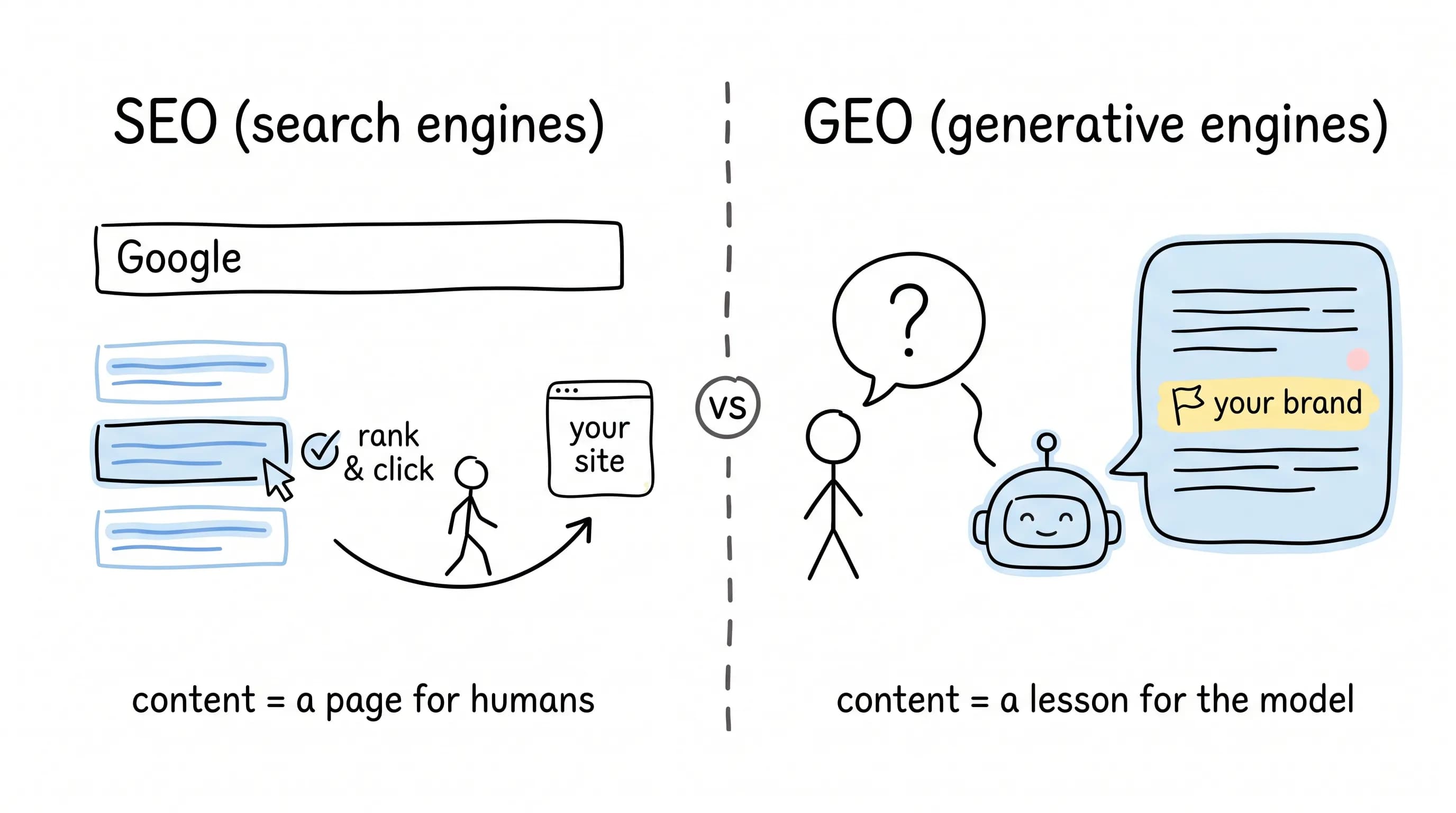
Does AI Know Your Brand? A Look at GEO, the New Craft
An explainer on GEO (Generative Engine Optimization): how AI engines like ChatGPT, Perplexity, and Gemini differ, how GEO goals and metrics diverge from SEO, and which SEO skills still carry over.
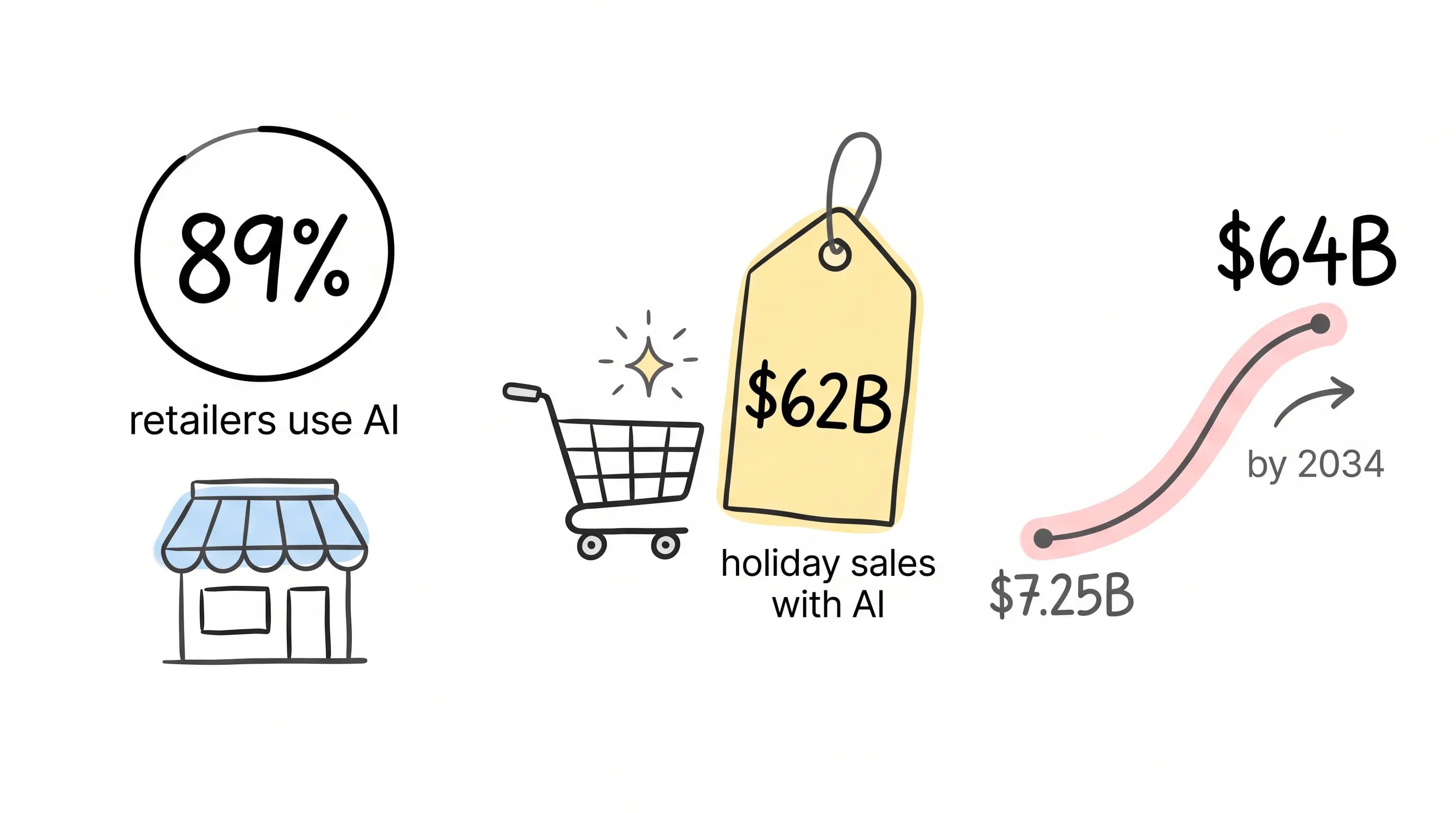
89% of Retailers Are Already Using AI. The Playbook for E-Commerce Has Changed
A learn article on AI in e-commerce: adoption context, use cases from recommendations, search, dynamic pricing, customer service, inventory, and fraud control, plus B2B applications, generative AI content, tool examples, pitfalls, and a six-step adoption path.
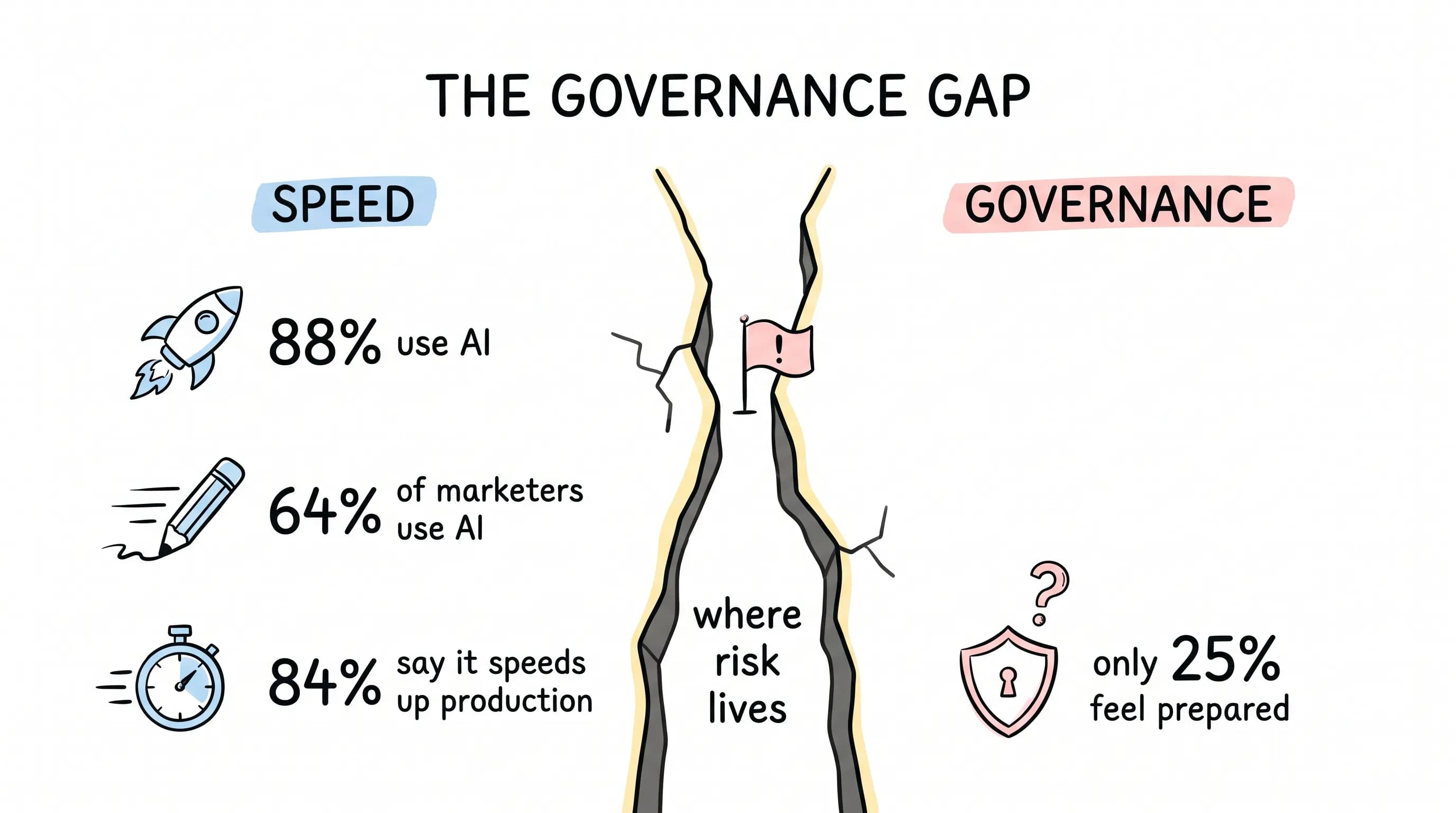
AI Makes Content at Lightning Speed — But Can You Answer "Who Approved This?"
This article looks at the gap between AI content speed and governance readiness in marketing teams, and outlines nine control points — prompt validation, brand guardrails, permissions, approval workflows, human review, versioning, IP checks, audit trails, and asset reuse — for brand-safe AI content.