
Patients Have Started Asking AI for Answers. Does It Understand Your Telemedicine Content?
An explainer on generative engine optimization (GEO) for telemedicine practices, covering how AI tools select sources to cite and five steps including keyword research, structured data, and local optimization.
Suppose you run a telemedicine practice.
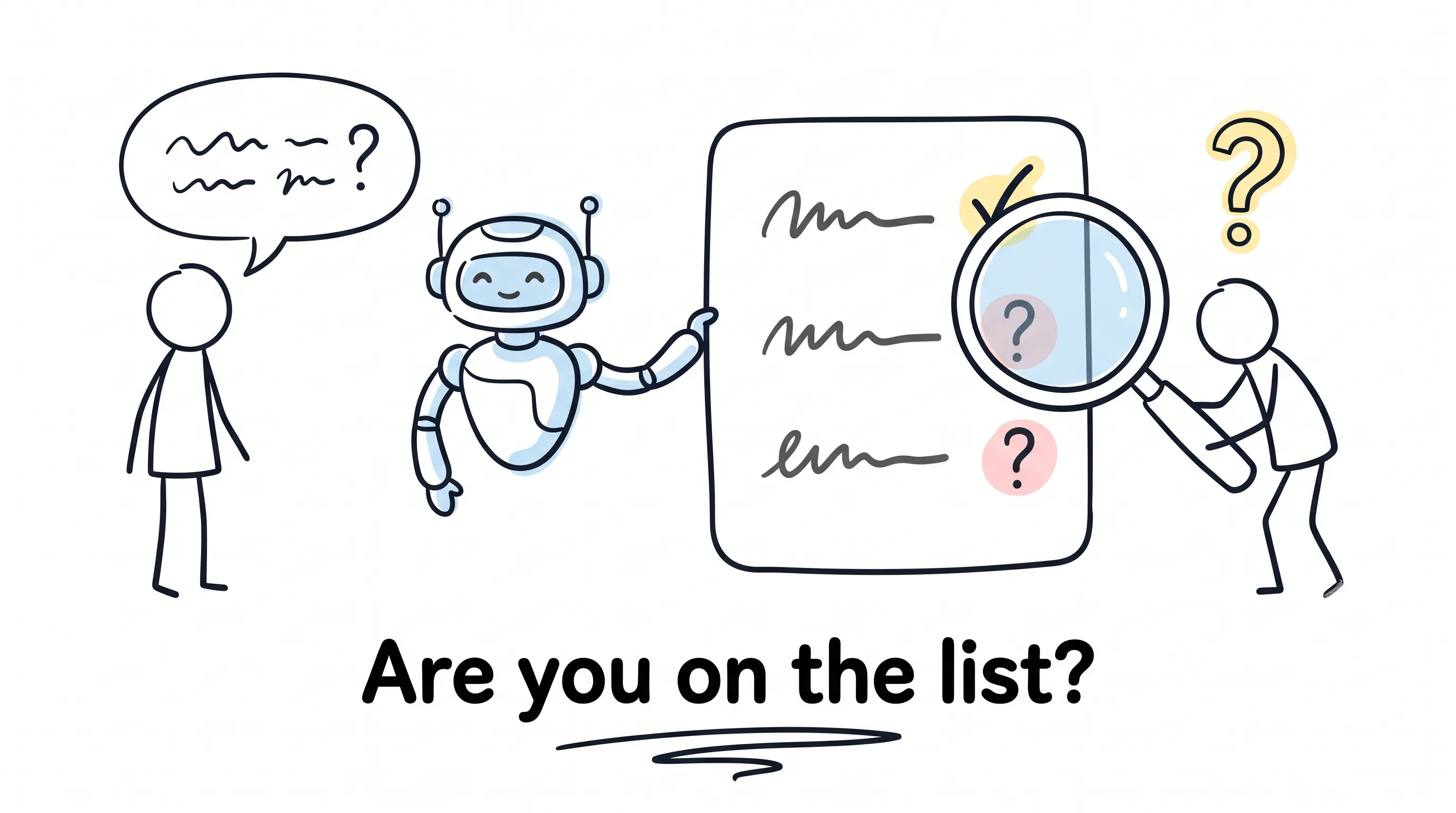
Today, a prospective patient is looking for an online consultation. Five years ago, they would have opened a search engine, typed in a few keywords, and compared the first few pages of results back and forth. Today? They'll most likely just ask an AI directly: "I've had insomnia for three months. Is online consultation reliable? Which platform is best?"
The AI answers in seconds, lists three platforms, and even throws in a few things to watch out for.
Here's the question: are you one of those three names?
If not, be careful. It may not be that your service is bad — it may be that you never showed up in the AI's answer at all.
Patients have changed routes. Your marketing can't keep running on the old map.
What Is GEO?
First, let's decode a term: GEO, Generative Engine Optimization.
What's a generative engine? Tools like ChatGPT and Google AI. Users no longer sift through results themselves; they ask it a question, it reads across the entire web, and then hands the user a synthesized answer.
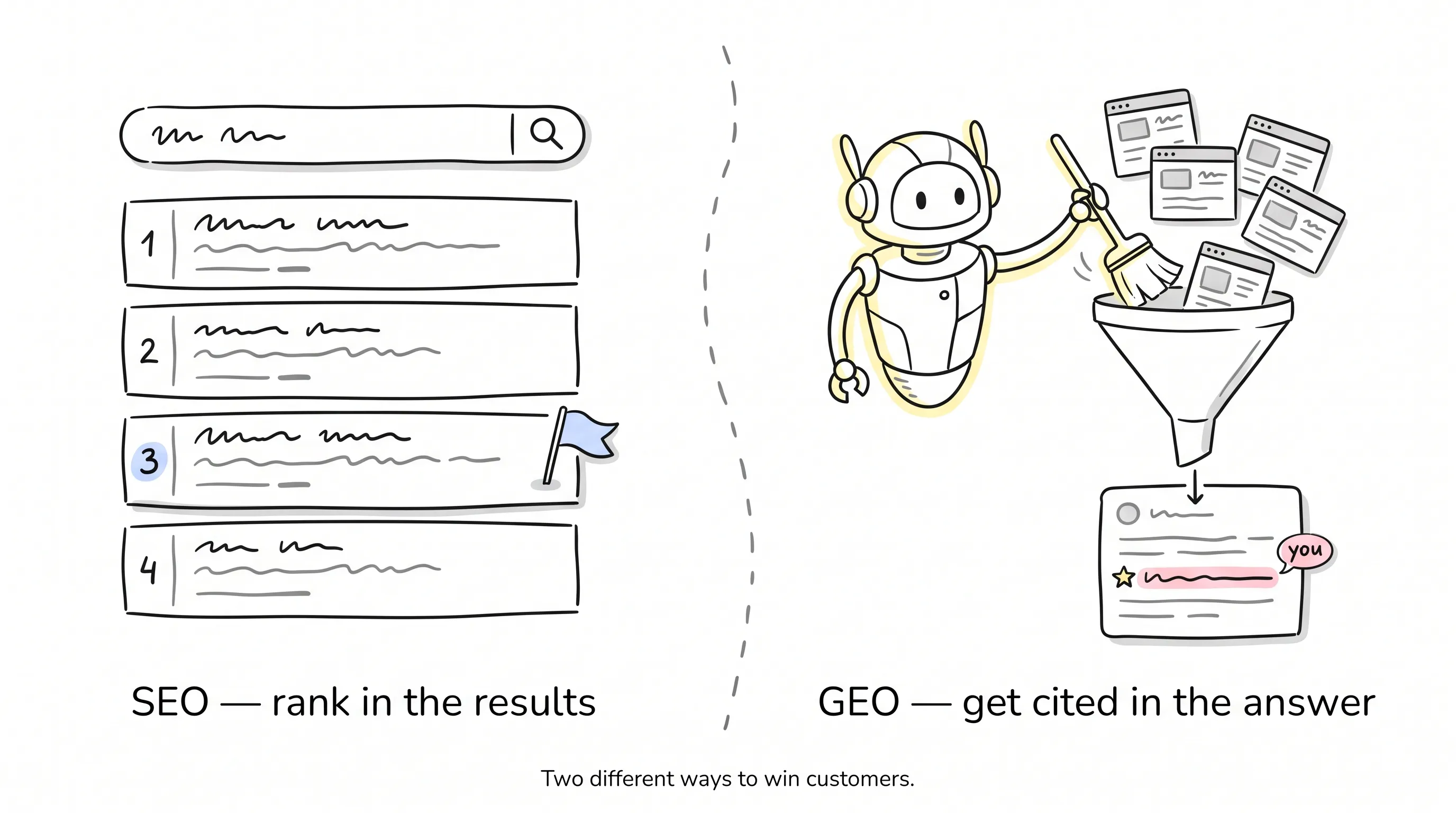
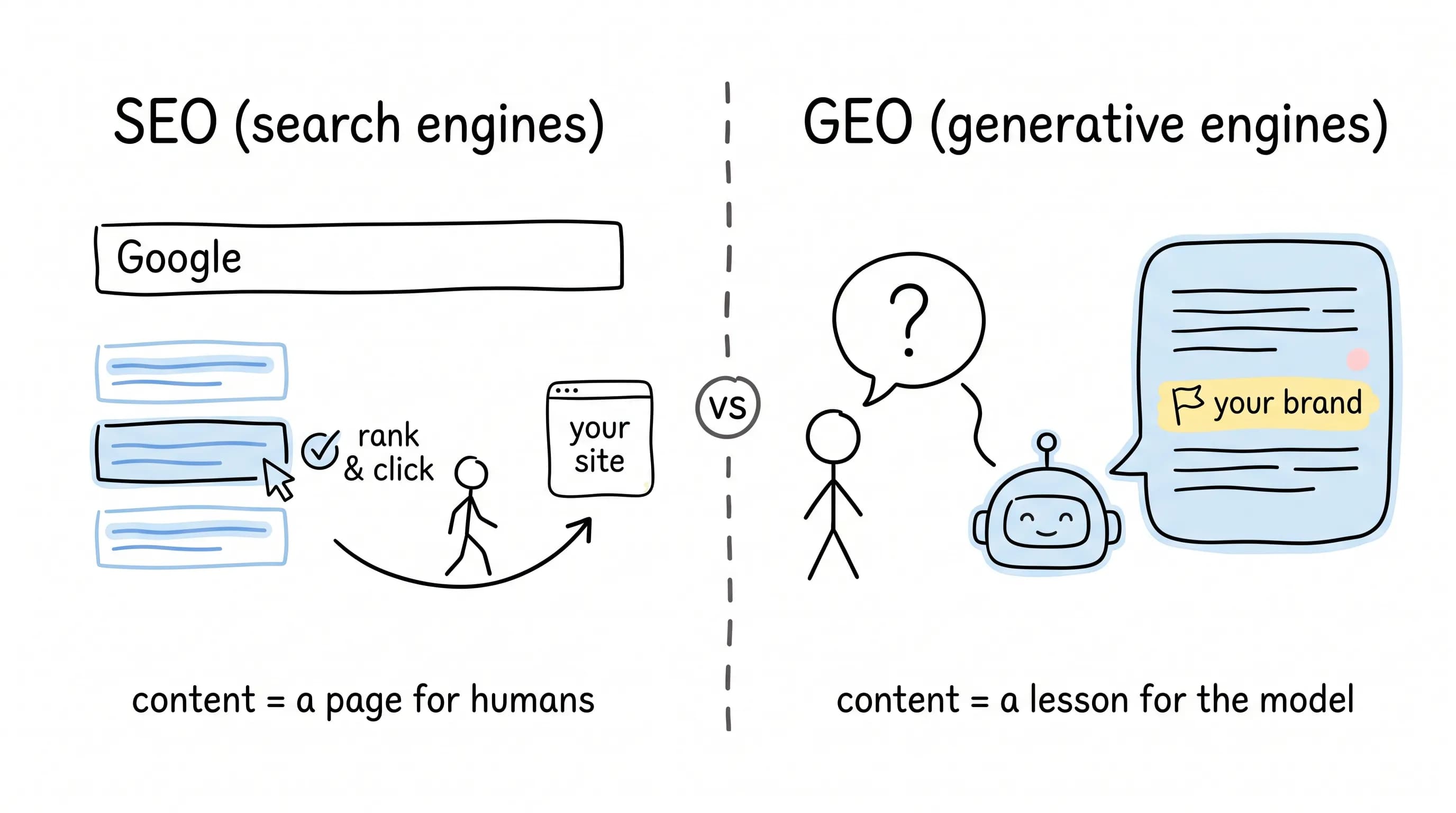
SEO used to be about ranking high in search results — getting your link in front of people.
GEO changes the goal: when the AI assembles its answer, you want it to cite you, mention you, write you into the answer.
One is like hanging your sign at the busiest street corner; the other is like having the knowledgeable friend nearby volunteer your name.
Two entirely different ways of winning customers.
How Does AI "Pick" You?
So on what grounds does the AI mention you, and not someone else?
It has to "read" you first — and until it understands you, you won't get cited. If you want the AI to pick you, at least three things must be done right.
First, structure your content. Organize your services, your process, and your FAQs into a format the AI can parse at a glance. Clear paragraphs, crisp questions and answers. Don't toss the AI a piece of lyrical essay and expect it to guess.
Second, give it enough tags and metadata. Keywords and meta information are the index cards you hand the AI. When the cards are clear, the AI knows when to think of you, and on which questions.
Third, and most important of all: answer patients' questions in patients' language. When patients ask "How much does online consultation cost?" or "Does insurance cover it?", answer them directly. AI favors content that gives the answer straight, because its job is to relay answers.
One clinic did exactly this. They plugged into Tely AI's automated content generation, sent patients personalized SMS reminders, and their follow-up appointment attendance rate rose by 30%. Don't underestimate that 30%. For an online healthcare provider that lives on follow-up visits, that's real money.
Some background while we're here: a 2023 survey found that 80% of Americans have used telemedicine at least once. Telemedicine long ago became one of the mainstream options. Mainstream demand, plus AI as the new pathway — the space in between, you do the math.
Where to Start? Five Steps
Enough theory. Where do you begin? Five steps.
- Keyword research. First, map out the words patients search and the questions they ask. Neil Patel has a rule of thumb: prioritize the keyword opportunities with the highest ROI. It's not about more keywords — it's about the right ones.
- Content development. Build high-quality content around patients' most common questions: blogs, FAQs, videos, or simply one short demo clip — all of it works. Jill Whalen, who spent decades doing SEO, put it well: high-quality content is an asset no matter how the algorithm changes. The algorithm is the wave; content is the boat.
- Structured data. Add schema markup to your website (schema markup — standardized code that tells machines what your content means). In plain words: rewrite "who I am, what services I offer, how to book" in machine language, so search engines and AI can read it more clearly and display it more gracefully.
- Local optimization. Telemedicine may be "remote," but patients still find you by geography. Add location keywords, set up your Google My Business profile — that's how local patients can find you.
- Watch engagement data. Click-through rate, time on page — review them regularly. The data will tell you whether your content is actually catching patients.
The five steps aren't complicated. What's hard is doing each one solidly.
How Do You Know If It's Working?
If you've done the work, verify it. Marketing without data is driving blindfolded.
A few key metrics: Is organic traffic growing? Are search rankings moving? How are the bounce rate, average time on page, and pages per visit? And the most critical one, conversion rate: of all the people who finished reading your content, how many actually booked an appointment or signed up for the service?
Oh, and one move that's easiest to overlook: just ask your patients. "How did you find us?" That one sentence is more honest than any analytics dashboard.
Conversion rate is your marketing's check-up report; every other metric is a single lab item.
Don't Expect Set-It-and-Forget-It
One last reminder: GEO is not a storefront you renovate once and then leave unattended.
AI is changing, the way patients ask questions is changing, and your content has to change with them.
Review your content regularly and revise it based on data and feedback. Videos, podcasts, interactive content — pick one or two and test the waters. Put analytics tools to work; patients' preferences are hiding in the data. And if you have the bandwidth, talk more with people who understand AI marketing. Don't sit alone guessing.
For a telemedicine practice to keep being recommended by AI, it comes down to one thing: it keeps answering patients' questions the way patients ask them — and makes the machine able to read that dedication.
Finally, a Few Words
Back to that opening scene.
The AI listed three platforms for the patient. Next time, you want your name on that list.
So what should you do right now? Go back through the content you already have: Is the structure machine-readable? Have you answered the questions patients ask most?
Search engines rank web pages; generative engines rank "slots in the answer." The slots are limited — whoever starts first, takes them first.
This new pathway has just been paved, and everyone is still at the starting line. It's not too late to get in now.
Here's to your name showing up in that answer soon.
Continue reading
Related articles
Does AI Know Your Brand? A Look at GEO, the New Craft
An explainer on GEO (Generative Engine Optimization): how AI engines like ChatGPT, Perplexity, and Gemini differ, how GEO goals and metrics diverge from SEO, and which SEO skills still carry over.
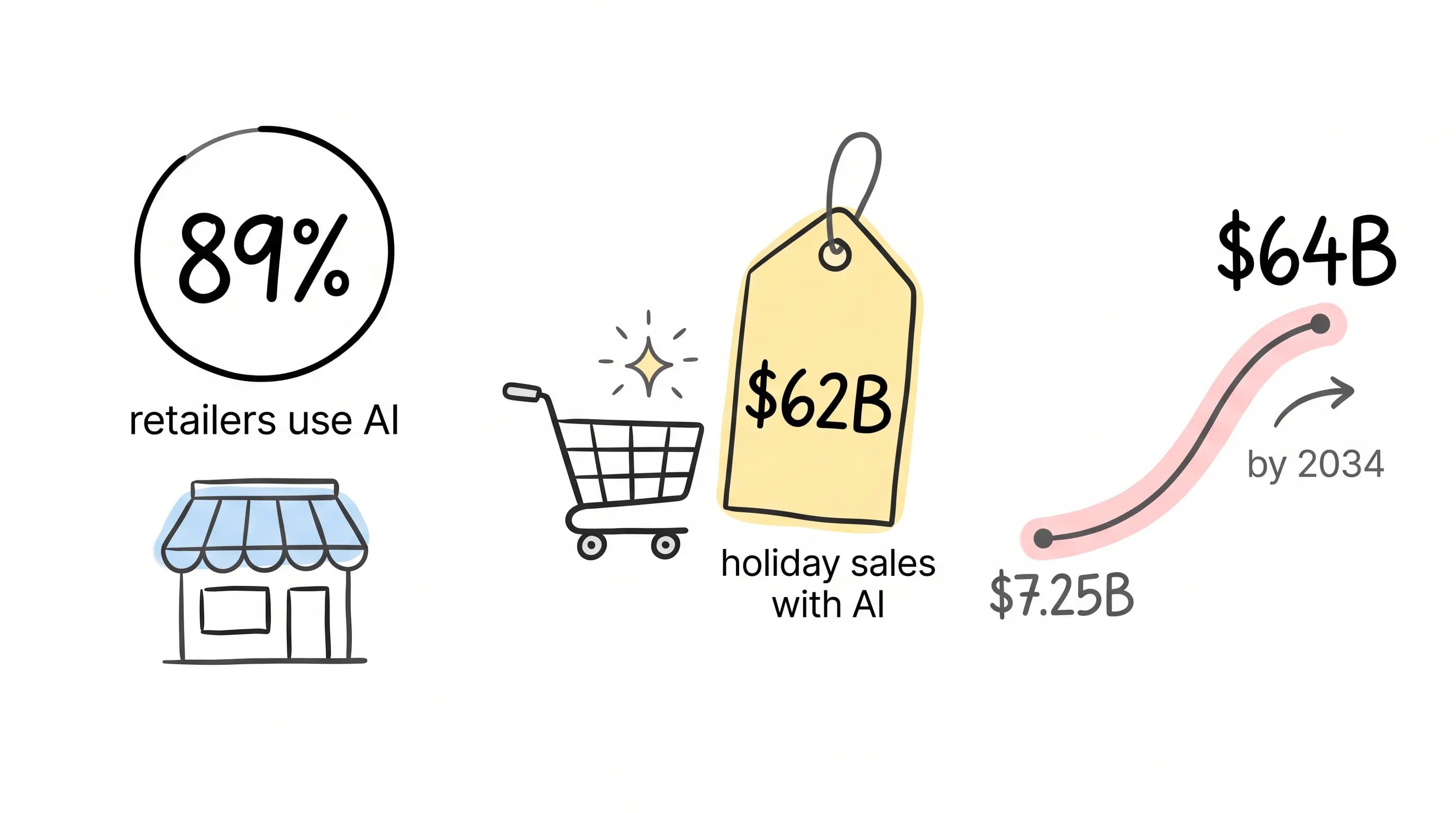
89% of Retailers Are Already Using AI. The Playbook for E-Commerce Has Changed
A learn article on AI in e-commerce: adoption context, use cases from recommendations, search, dynamic pricing, customer service, inventory, and fraud control, plus B2B applications, generative AI content, tool examples, pitfalls, and a six-step adoption path.
AI Makes Content at Lightning Speed — But Can You Answer "Who Approved This?"
This article looks at the gap between AI content speed and governance readiness in marketing teams, and outlines nine control points — prompt validation, brand guardrails, permissions, approval workflows, human review, versioning, IP checks, audit trails, and asset reuse — for brand-safe AI content.