
Meta and TikTok Roll Out New AI Ad Tools: Machines Make It Faster—You're Left With the Hard Part
Meta and TikTok unveiled new AI ad tools covering image-to-video creative, Smart+ search automation, and lead handling, while Reddit upgraded its lead suite. The piece also covers reports of rising Google manual actions and social links in AI answers, arguing tools set the floor while judgment sets the ceiling.
The other day I was scrolling through industry news, and the more I scrolled, the livelier it got: at Advertising Week, Meta and TikTok, one right after the other, served up a whole basket of AI ad tools. Creative production, campaign delivery, lead handling—it's all in there.
Reddit hasn't been sitting idle either. It quietly upgraded its own lead collection tool.
Good grief, what a lineup. If you work in marketing, you might be feeling a little rattled: with this many new things, do you really have to try them all one by one?
My take: hold off on the panic. First, get one thing straight.
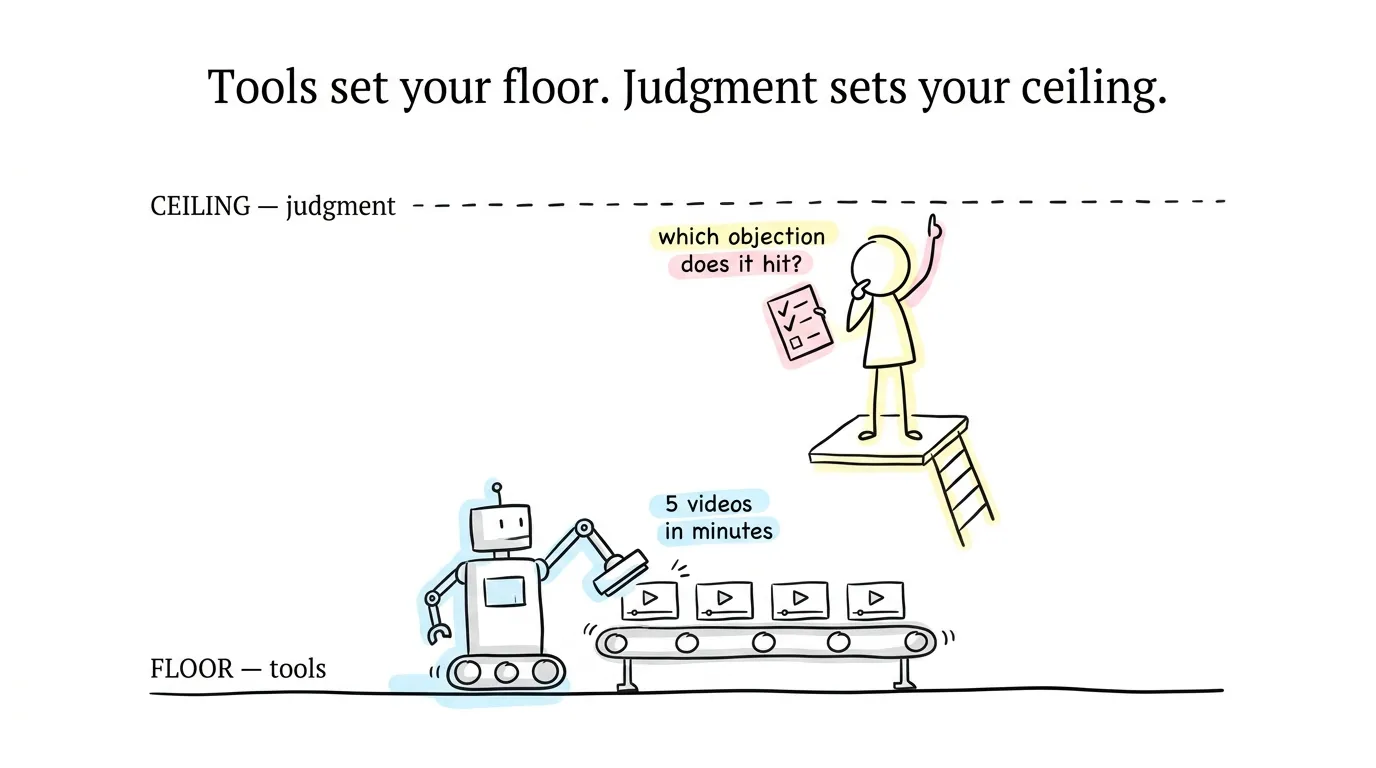
Tools set your floor. Judgment sets your ceiling.
Why do I say that? Let me walk you through it, one by one.
First, Meta: static images can now turn straight into video
Meta put out quite a lot this time. I'll focus on the parts most relevant to you.
What does "turning static images into video" actually mean?
It means you drop a few approved product images into Advantage+'s creative tools, and AI generates video versions you can put straight into campaigns. Meta says this feature is now fully rolled out.
What else? Its AI business assistant has gotten smarter. It used to hand out suggestions while flying blind; now it looks at your campaign history, seasonal patterns, and business goals. It's also testing a few new things: uploading your brand guidelines to the AI, adjusting targeting and budgets in a chat-style conversation, and generating scheduled reports for you.
On top of that, Ads Creative Studio is opening up to more advertisers—it can produce video variants in batches, and it can swap out the opening hook, audio, subtitles, and end card. Customer Lifecycle Strategy has opened up too.
Sounds pretty good, right?
But you need to keep the categories straight: in this pile, some things are fully available, some are in expanded rollout, and some are still in testing. Before you act, go check your own ad dashboard and see which ones you can actually get your hands on.
And there's one more thing that matters more than "can I use it."
Think about it: a set of video variants used to take your team weeks of grinding. Now AI can spin up five in minutes. Fast—really fast.
But here's the question: five videos all pitching the same mediocre selling point, or two videos that each hit a different customer objection—which is worth more?
Machines solve for speed. They never promised you "correct."
So my advice is: start with the most time-consuming step in your team's workflow. Variant production, for example. Test with approved static images, and keep two ledgers: how much time you saved, and what results you got. Before every asset goes live, a human still has to review it: is the product information right, does it look like your brand, are there errors in the subtitles or offer details. And once budget and targeting changes can be made just by asking, you need approval rules set up first—who signs off, how decisions get recorded—don't wait until something goes wrong to patch it together.
Next, TikTok: search and feed are two different businesses
What TikTok put out this time is more interesting than "just produce more assets."
Smart+'s automation now reaches into search ads, handling both keywords and creative. There's also Smart+ Creative Selection: your own assets, AI-generated assets, and creator-made assets all enter the same approval flow. The AI recommends combinations based on your campaign objective, but whether anything ships is your call.
Then there's Agentic Leads, where AI chats with your leads alongside you. Plus shopping assistants, direct checkout, and other e-commerce experiences.
Oh, and it also launched an Ad Network. But that one is mainly for US advertisers—everyone else, first sort out which of these you can actually get your hands on.
Of all of this, I think search is the part most worth chewing on.
Why?
Think about it: someone scrolling the feed is browsing. Hand them a fun video and you're half done. But someone searching on TikTok to compare products wants an answer. They might want to see proof, see a demo, hear you explain clearly whether this thing actually fits their needs.
If you take the hottest ad from your feed and paste it over there unchanged, you're most likely just burning money.
Same product: browsers want to be entertained, searchers want to be convinced.
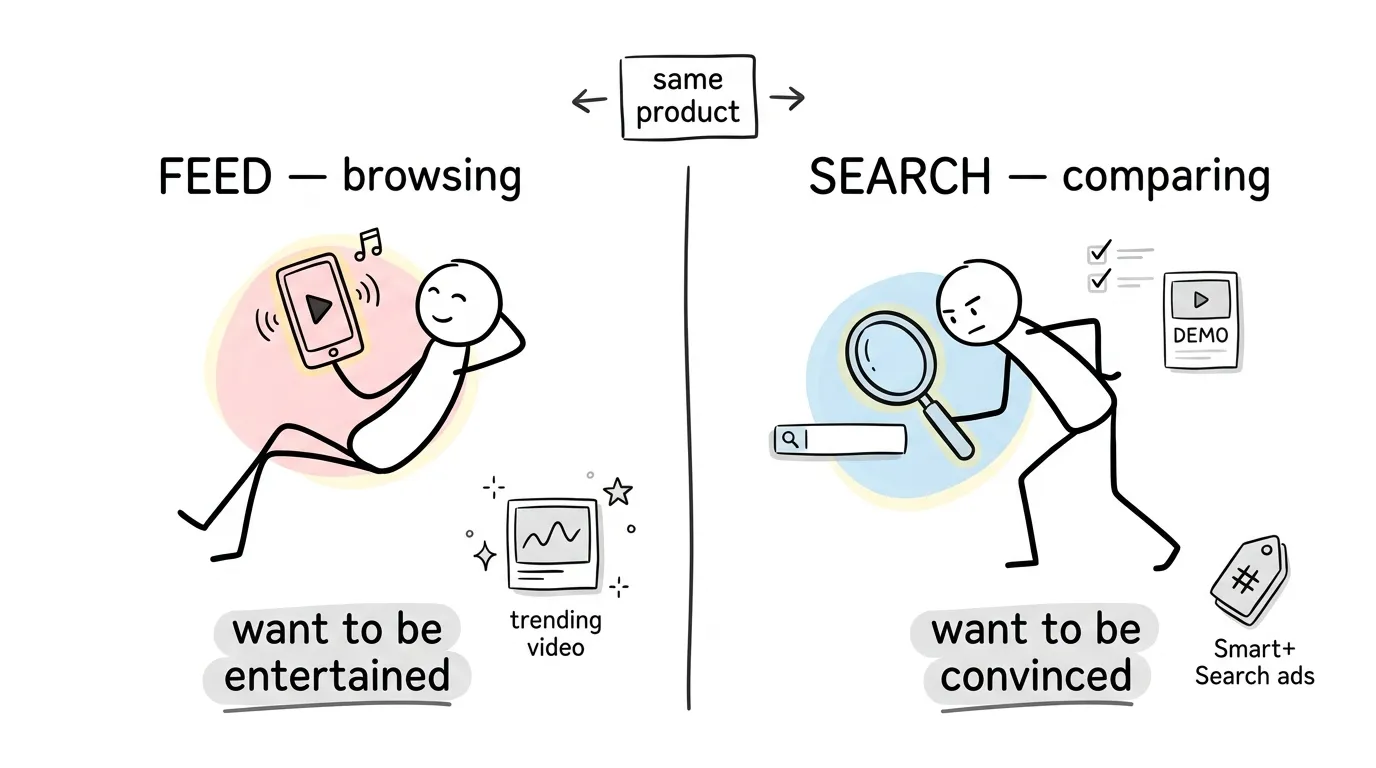
So my advice: reorganize your asset library around "which question does this answer"—demos with demos, comparisons with comparisons, creator endorsements with creator endorsements. Feed the system a pile of good options, then watch closely which messaging actually moves people one step closer to contacting you or buying.
The same goes for lead automation. Before you start, settle two things with your team: what counts as a qualified inquiry, and what information sales needs to take over. A lead that leaves only a phone number and gives no sign of intent to buy is just another messy chore dumped on sales.
Beyond the fanfare, one cold piece of news: Google's manual actions are on the rise
There was one more piece of news this week. No launch-event fanfare, but I think it deserves your attention more.
In early October, Search Engine Roundtable reported a rise in Google manual actions. Several SEO consultants—Marie Haynes, Daniel Foley Carter—both say the number of cases coming their way has been climbing recently, most commonly thin content, pure spam, and scaled content abuse. Some of the hit sites are legitimate businesses that have been running for many years.
To be clear up front: this is still anecdotal at this point. Consultants' intake volume and grumbling in forums can't prove Google is running a new round of mass crackdowns.
But one thing is certain: manual actions and ranking fluctuations are two different diseases, with completely different prescriptions.
If your rankings drop, you can wait for the algorithm to settle. With a manual action, waiting accomplishes nothing. There's exactly one playbook: fix the specific problems called out in the notice, keep records of the fixes, then file a reconsideration request.
Put plainly: what gets penalized is a specific problem on your site—not your luck.
Here's what I really want to ask: if a penalty notice were sitting in your Search Console tomorrow, how long would it take your team to spot it? Who's responsible for handling it?
While you're at it, check your content production process. Plenty of teams have sped up output without speeding up review. Once hundreds of pages go out, repetitive claims, shallow definitions, and pages you couldn't explain the reason for if asked all slip in. When you audit, don't rush into bulk deletion—first figure out where the problem originates, then examine each piece against its value to the customer.
AI answers are full of social content. But posting more doesn't mean getting cited
One more set of numbers, quite interesting.
SE Ranking analyzed 100,000 keywords and found links from social platforms appearing in 67.66% of Google AI Overviews, 32.39% of Google AI Mode answers, and 8.4% of ChatGPT answers.
Platform preferences differ too: AI Overviews cite YouTube the most; on the ChatGPT side, Reddit and LinkedIn lead.
Seeing 67.66%, a lot of people's first reaction is: then I'd better post even more!
Hold on. This data shows that social content does enter AI answers. It does not show that "the more you post, the more the AI cites you." Is an active account a confirmed ranking signal? The data can't support that conclusion.
So how should GEO (Generative Engine Optimization—getting your brand into AI answers) be done?
My view: go back to your customers' questions. What would your customers ask? Turn the clearly-written explainers on your site into demo videos, expert breakdowns, practical comparisons, and put them in the right channels. A video that genuinely teaches people something will get watched and shared even if AI never cites it.
Then keep regular records: pick a few fixed branded and non-branded keywords, and check whether each AI tool mentions you—and if not, who it cites instead. A single snapshot proves nothing—trends are what matter.
What gets cited is a good answer, not a diligent account.
Reddit is taking leads seriously. But cheap leads aren't the same as valuable leads
Reddit's moves are quieter, but some of you should be paying close attention.
It rolled out the Max ad suite for lead campaigns, which automatically optimizes delivery settings and creative rotation. Leads can be routed to landing pages or forms, and connected into your CRM. It's also testing a batch of intent audiences inside Max—business services, business AI, cybersecurity, and other categories. The HubSpot partnership is in public beta, covering attribution, reporting, and account setup; the Pixel and Conversions API are still on the way—don't treat them as done.
Reddit reported a number of its own: campaigns using intent audiences early on saw CPA (cost per acquisition) improve by nearly 7%.
Note: that's a number reported by the platform, not a prediction for your account.
When is Reddit worth trying? When your customers genuinely go there to compare repeatedly and ask detailed questions before buying. In that case, a solid evaluation guide works better than rushing to book demos. The reverse also holds: a download bundle that promises everything tends to attract a pile of inquiries sales can barely handle.
Measure it, and don't look only at form cost. Leads you can actually reach, leads sales accepts, leads that make it to the opportunity stage—run a separate count for each, then compare against your existing channels.
In closing
Looking back at the week: Meta accelerated creative production, TikTok stitched search and creative together, Google is tightening content quality, AI answers are full of social content, and Reddit wants to help you handle leads.
Once the show is over, there's really only one question: for these tools, who on your team should be doing which specific job?
Pick your most painful step first, and let one new tool take a crack at it. When the results come in, double down if it works, swap it out if it doesn't.
Speed is the machine's job. Getting it right is yours.
I hope the next time new tools launch, you're sprinting ahead—not just joining the crowd.
Continue reading
Related articles

What Is GEO? How Your Brand Gets "Mentioned" in the Age of AI Search
An explainer on GEO (Generative Engine Optimization) for e-commerce and DTC brands: how it differs from SEO and AEO, why AI answers shape brand visibility, and eight practices covering question-focused content, consistent brand messaging, structured pages, external evidence, comparisons, and AI mention tracking.

AI Is Already Making Decisions for Your Customers. Are You on the List?
A learn article explains GEO (Generative Engine Optimization): why AI-generated answers now shape which brands customers see, and how SEO fundamentals, entity clarity, citable evidence, and monthly measurement affect visibility in AI answers.

Google Is Stuffing Ads Into AI Search: These Recent Stories Are Really One Story
A news roundup linking recent AI marketing stories—Google adding ads to AI Mode, Amazon's Ads Agent, ChatGPT image updates, a UK startup tracking brand mentions in AI answers, and an AI ransomware warning—arguing that control over ad data and visibility is shifting toward platforms.