
Influencer Marketing Meets AI: Find the Right People, Say the Right Things, Count the Numbers Right
A guide to applying AI across influencer marketing: vetting creator audiences, personalizing outreach at scale, and using AI to surface angles in campaign reviews, with notes on trends like virtual influencers and multilingual content.
A while back, an old friend who runs a beauty brand invited me out for tea. Before we'd even sat down, his first question was whether he was getting ripped off on his influencer spend.
Last quarter, he had his ops person blast collaboration DMs to over two hundred creators. Seven replied. One deal closed.
I told him: that's not influencer marketing. That's handing out flyers.
He pushed back: isn't that how everyone does it?
Yes — and that's exactly the problem with "isn't that how everyone does it."
Over that pot of tea, we talked through three stages: how to find the right people, how to make the first move, and how to review the results. The more I thought about it afterward, the more it struck me that these three stages are precisely where AI can help the most today. Here's what we figured out.
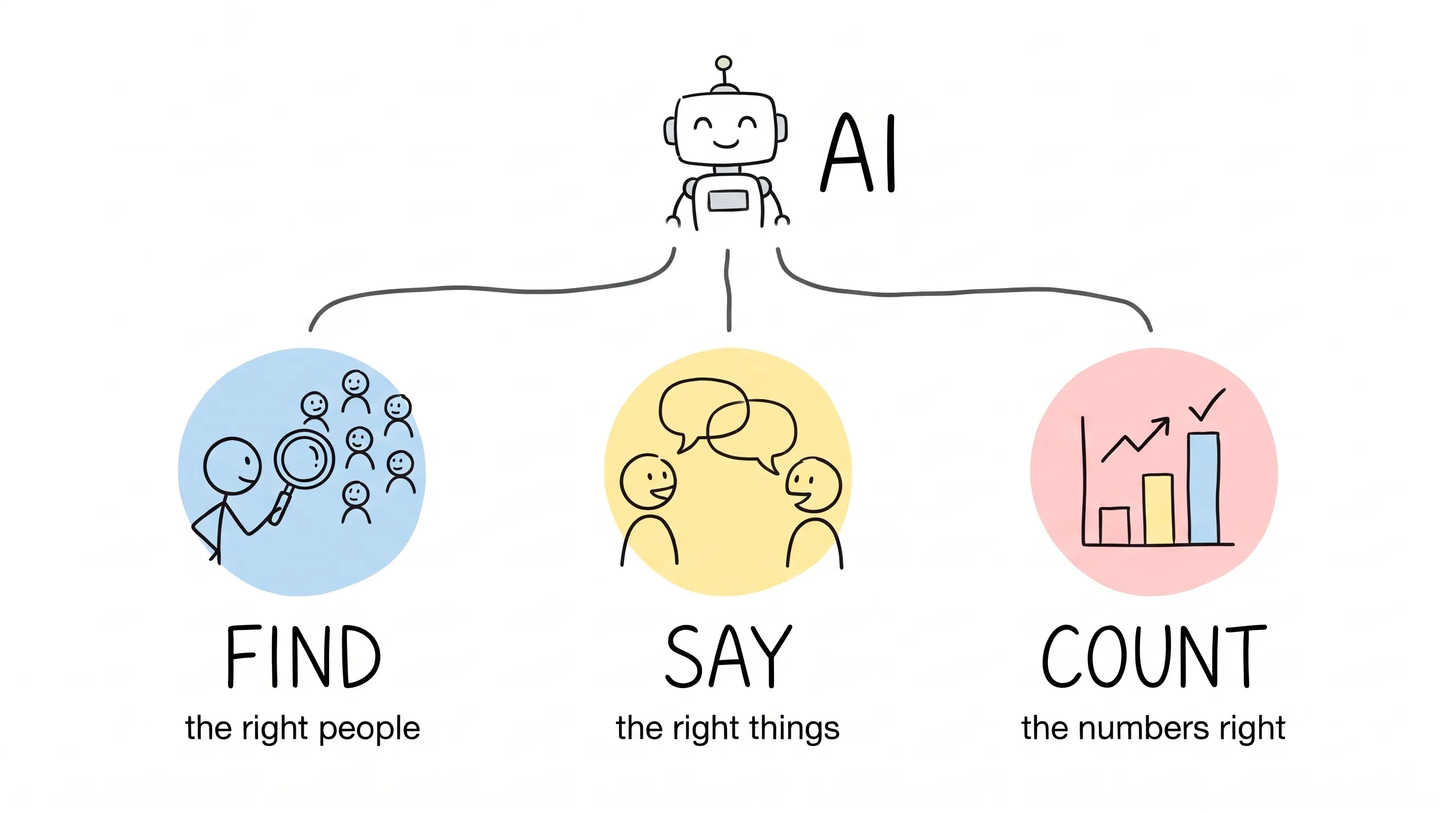
Stage One: Picking Creators. The One Link Where You Can Least Afford to Be Blind
Here's my core claim up front: if you pick the wrong creator, nothing you do afterward matters — your ROI is already negative.
Why? Because all of your budget, content, and communication costs downstream rest on that one person. Pick the wrong person, and everything fails.
So what does "picking right" look like? Two questions: Are their followers real? And are those followers where you want them to be?
The first question used to be an industry-wide disaster. Around 2018, buying fake followers and faking engagement was practically an open secret. A tool called HypeAuditor got its start by tackling exactly this. The founding team came from a big-data background, and what they originally wanted to build was something much bigger: a fully automated influencer marketplace where brands and creators could transact on their own. But as they built, they found roughly two hundred startups already crowding that road — the market didn't need yet another marketplace. What they did stumble onto was a real pain point: everyone was asking the same question — is this creator's data real?
So they pivoted and did something remarkably small: you type in an Instagram account, and you get back an analysis report whose most valuable column is fraud detection. Behind that detection run fifty-four machine learning datasets. The interesting part? The first people who spread the word weren't brands — they were creators themselves, who discovered the tool could prove they hadn't bought fake followers, and started posting their reports unprompted. Prove someone's innocence and they'll sing your praises for you. That's the best cold start there is.
The second question — where are the followers — has a new answer today.
In the old days, finding creators in a tool meant filters: keywords, hashtags, regions, clicking box by box. Now you can simply describe, in plain language, the person you're looking for. For example: young female skincare creators in major US metros, high engagement, primarily active on TikTok. The system parses that sentence and recommends people. And it doesn't just read bios and text — it reads photos and geotags too.
There's also a move here that's surprisingly easy to overlook: stop looking at where the creator is, and look at where their followers are.
The most textbook failure case I've seen goes like this: a Spanish-language creator living abroad, all her content in Spanish, the vast majority of her followers in Central and South America. The brand saw she was already sitting in the market it wanted to target, so it handed over the budget. The content went out — and reached people in an entirely different country. Unfair? Sure. But glance at the audience geography before you start, and not a cent of that wasted money needs to be spent.
One distinction to get straight here. Many people assume ChatGPT alone is enough — just ask it, "recommend ten creators for me." No. A general-purpose model doesn't know a specific creator's audience profile, because it doesn't hold that database. It's like keyword research: you can ask a general model which direction to write in, but for the numbers — search volume, competition — you still go to a specialized tool like SEMrush. Ideas belong to the general model; data belongs to the vertical tools. Don't get that division of labor backwards.
Stage Two: Making the Ask. Where AI Delivers the Best Bang for the Buck
Outreach is, at its core, a funnel game.
Send a hundred DMs and maybe ten get replies; of those ten, five or six are willing to talk; as you talk, half fall away over budget, scheduling, or brand fit; and even when you close the deal, they may drag their feet on posting. Every layer leaks.
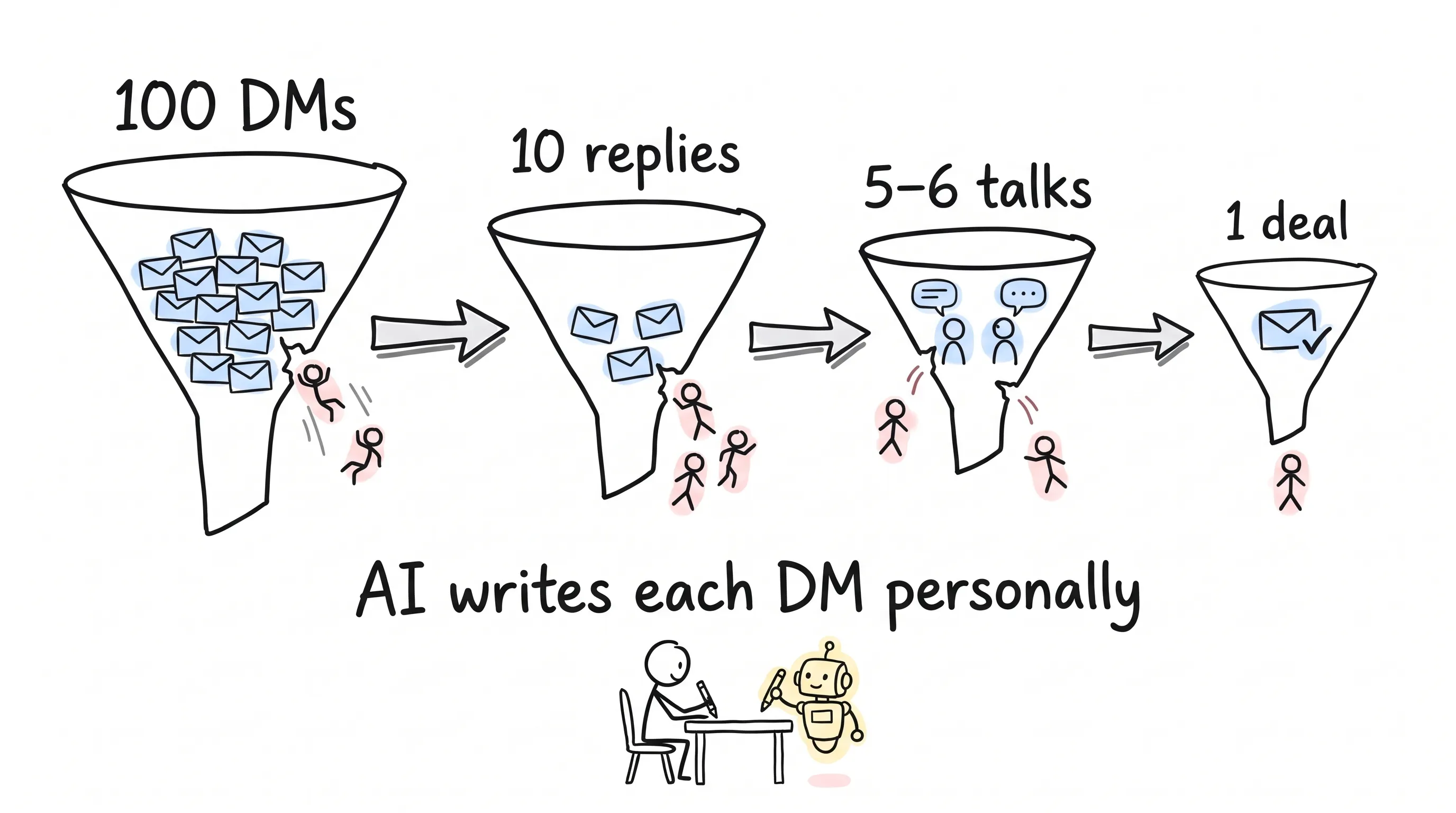
So volume matters. But the bigger your volume, the less you can afford to blast templates.
Here's the rub: personalization takes time, and most people hoard their time. Copy-paste lets you send ten messages a minute; writing each one properly takes half an hour per message. Choose the former, and your reply rate will teach you what punishment means.
AI happens to untangle exactly this contradiction, because it has two things going for it: it understands context, and it writes like a human.
How do you actually use it? Two steps.
Step one: have a general model draft for you. Lay out your collaboration intent, the product, and the tone you want, and it hands you a batch of decent first drafts. HypeAuditor itself has used this to batch-write outreach messages when running campaigns for its biggest clients — and the quality is genuinely usable.
Step two — the more valuable one — is pouring "this person" into the message. What have they posted lately? What's their style? Which of their posts does your product naturally connect to? A dumb-but-effective method: import your creator list into a spreadsheet, use the model's spreadsheet plugin, one row per creator, and batch-generate personalized DMs. All you do is the final read-through and fine-tuning.
One detail deserves its own mention: writing prompts is a craft. Best to sit down with the model at the start and break the requirements apart — should you mention the creator's recent content? What tone for introducing the product? Do you want to leave a few threads for follow-up collaboration? Iterate until you land on a formula you're happy with, then apply it across the whole list.
Looking one step further ahead, the truly interesting direction is feeding performance data back in. Which emails got opened, which DMs got replies, which kinds of openers earn the highest response rates — pipe those signals back to the model, and the next generation comes out sharper. That's something a solo operator can barely do, and the tool vendors sitting on the data are already doing it.
By the way, this game runs in both directions. On the other side, creators are using AI too — to communicate with their fans faster and more like an actual human. That's good news for anyone running outreach: the interaction quality of the whole ecosystem is rising.
Stage Three: The Review. Run the Basic Numbers Yourself, Let AI Handle the Tricky Ones
A dash of cold water first: the basic metrics don't need AI. How much you spent, how many views and clicks it bought, your cost per view — sort a spreadsheet and it's instantly obvious who's carrying the campaign and who's coasting. One old rule worth memorizing: more often than not, twenty percent of your creators deliver eighty percent of your results. The first job of any review is finding that twenty percent.
So where does AI earn its keep? In the angles a spreadsheet will never volunteer.
Here's a concrete scenario. A campaign wraps, and the data table for 150 creators sits in front of you: likes, comments, engagement authenticity, sentiment lean, brand safety scores — dozens of columns. Interface tools show you data along fixed paths, the same handful of preset views. But the questions you actually want to ask usually aren't on those paths.
For instance: who crossed the line on brand safety in this campaign? Which creators brought in comments with a clearly higher share of positive sentiment? For brand-image campaigns, that second question matters far more than click counts.
For questions like these, export the CSV, toss it to the model, and it reads the file and answers directly. Better yet, it often digs up things you never thought to ask. A hundred and fifty rows of numbers are a blur to the human eye; the machine doesn't get tired, and it will fish out the anomaly hiding in row 87.
The single most down-to-earth thing AI does in a review is hand you angles you wouldn't have taken yourself.
Looking Ahead, Three Things Are Already Happening
First, follower counts are depreciating; content quality is appreciating. Every content platform is shifting toward recommendation algorithms, and short video is the main battlefield. Which means "how many followers does this creator have" matters less and less, while "can this piece of content get pushed out" matters more and more. The algorithm is the final judge: if the content isn't good, no follower count will carry it. The top players understood this long ago. MrBeast has gone from a one-man operation to a content troupe with actors and personas — closer to running a reality show. And remember, his first hundred-plus videos were shot on a phone with a cracked screen. The starting point never came from equipment; it came from content the algorithm had validated.
Second, the cost of virtual influencers is in free fall. Building a digital human used to mean 3D modeling and a production team — expensive. Now one person, one set of generative tools, and a well-thought-out persona can "give birth" to an influencer, realistic enough that plenty of people can't tell real from fake. Here's the funny part: younger audiences, having seen so much of it, can actually sniff out the machine-generated feel — it's the older crowd who are hardest to fool. The technology keeps moving, and that dividing line will only keep blurring.
Third, the language wall is coming down. Auto-translation plus lip-sync turns one creator's content into versions in several languages, doubling and doubling again the audience. YouTube has already shipped this as a one-click feature. Language is no longer the boundary that fences in a fanbase.
All three trends deliver the same warning to anyone running outreach: don't use a five-year-old map to find today's people.
Finally, Back to That Friend
After our chat, he went back and did three things: first, he cut everyone from the list whose followers' geography didn't match his target market; second, he rewrote every outreach message from scratch, each one carrying a specific detail from the creator's recent content; third, at review time, he took that 150-row table, threw it to the model exactly as it was, and asked a question he had never asked before.
He told me the biggest takeaway was that, for the first time, this business felt like collaborating with actual people. It gave him peace of mind.
As for AI itself, I have exactly one piece of advice: don't study it — use it. Treat it like an intern: give instructions in plain language, and if the output isn't good, send it right back to redo. You can start tonight — ask it what to have for dinner, or have it plan a holiday itinerary. That's how the feel for it gets built.
AI won't take your job. Someone who uses AI will.
Now it's your turn.
Continue reading
Related articles
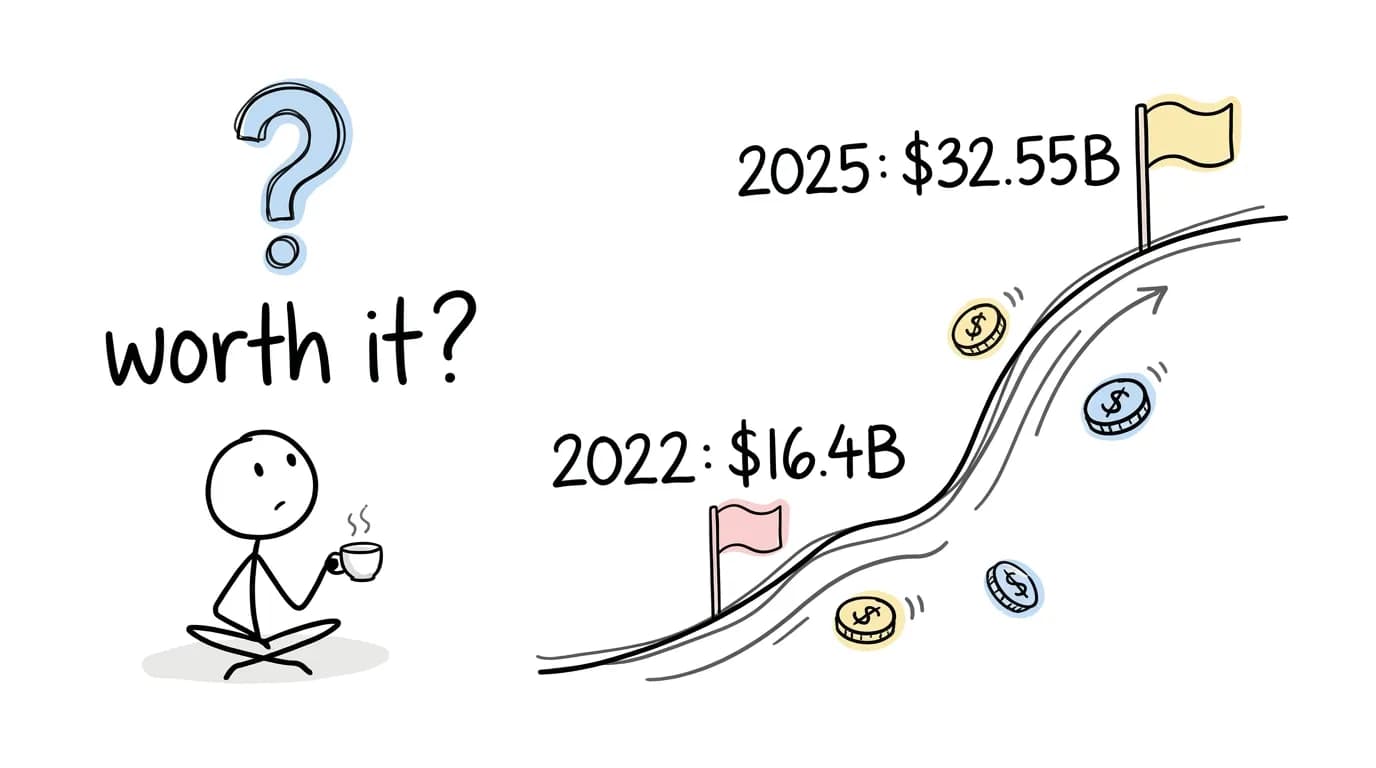
Is Investing in Influencers Actually Worth It? I Broke Down These Dozens of Numbers and Ran the Math for You
A learn article that compiles industry data on influencer marketing, covering market size, ROI measurement practices, nano versus mega creator pricing and engagement, platform budget allocation, AI tooling, and ad disclosure compliance.
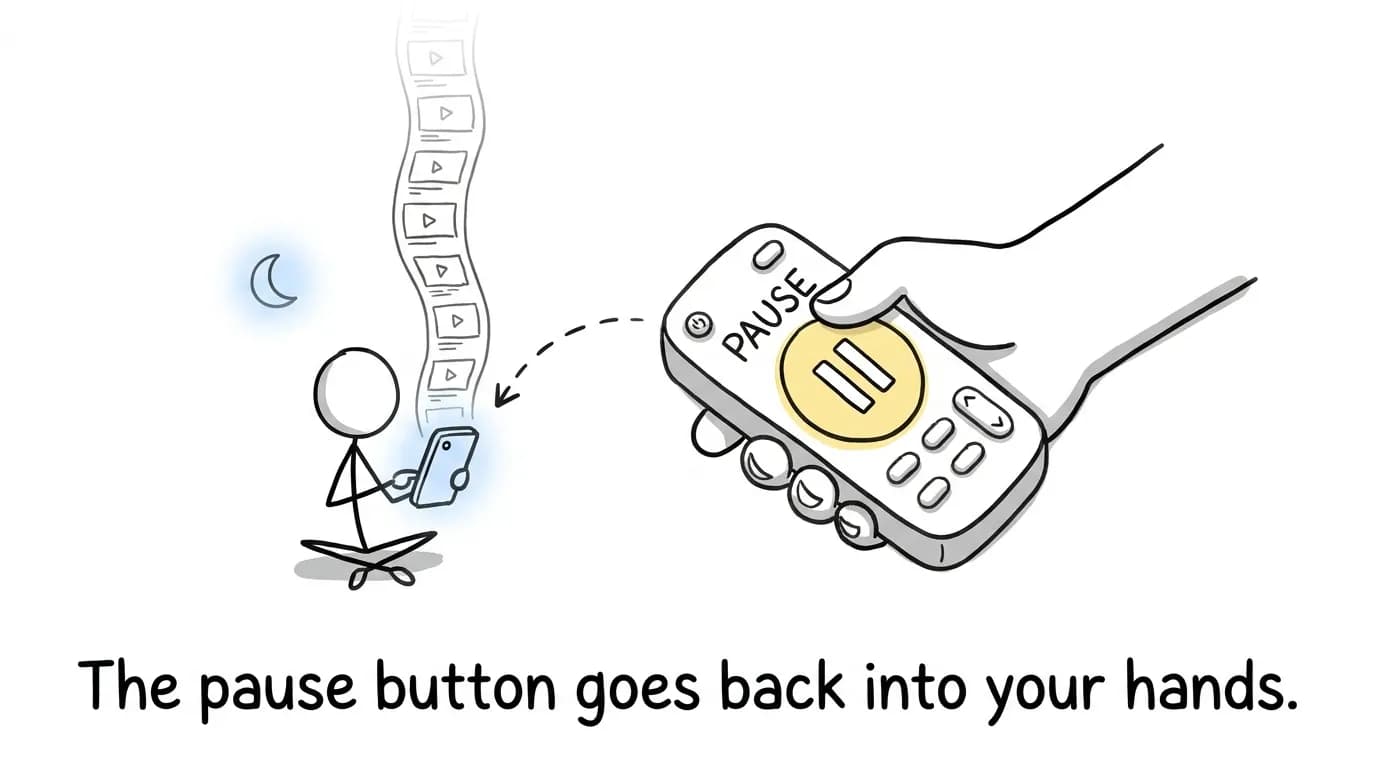
The EU Is Handing the Pause Button Back to You
The EU's draft Digital Fairness Act targets dark patterns, addictive design, undisclosed influencer ads, silent subscription renewals, and game spending by minors, while keeping dynamic pricing legal but banning drip pricing; fines could reach 6% of annual turnover.
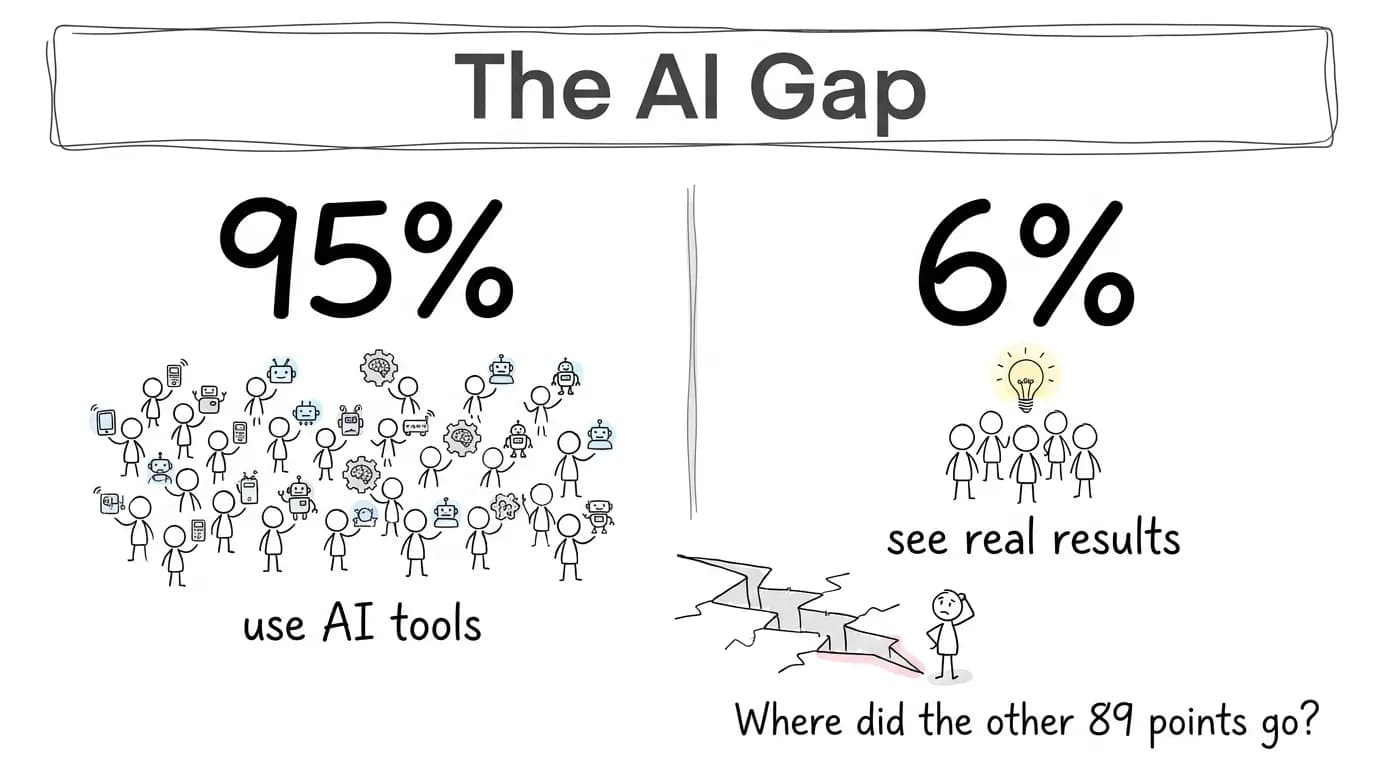
95% of Companies Use AI. Only 6% See Real Results. What's the Gap? Kolsquare's New Report Nails the Answer
A recap of a Kolsquare webinar on AI in influencer marketing, covering adoption gaps, AI-labeled content engagement, AI influencer limits, and generative engine visibility. It also outlines four practical moves for 2027 planning.