
Generative AI Is Rewriting the Rules of Brand Marketing
This learn article explains how generative AI is reshaping brand marketing, using cases like Cadbury, the Barbie selfie generator, and Coca-Cola's Create Real Magic to show user participation and co-creation, and outlines pitfalls such as content errors, user pushback, copyright, and security.
A few days ago, a movie poster popped up in my feed.
The official poster for Barbie. But the star wasn't a movie star — it was the face of the friend who posted it.
I froze for a second. I actually thought she'd gone off to act in a movie.
Turns out, it was the film's official selfie generator: upload a photo, and a few seconds later, you're on the poster. The post on Instagram racked up 119506 likes.
119506 likes. Imagine that.
What is this? This is generative AI, rewriting the rules of brand marketing.
What Is Generative AI?
First, let's be clear: what is generative AI?
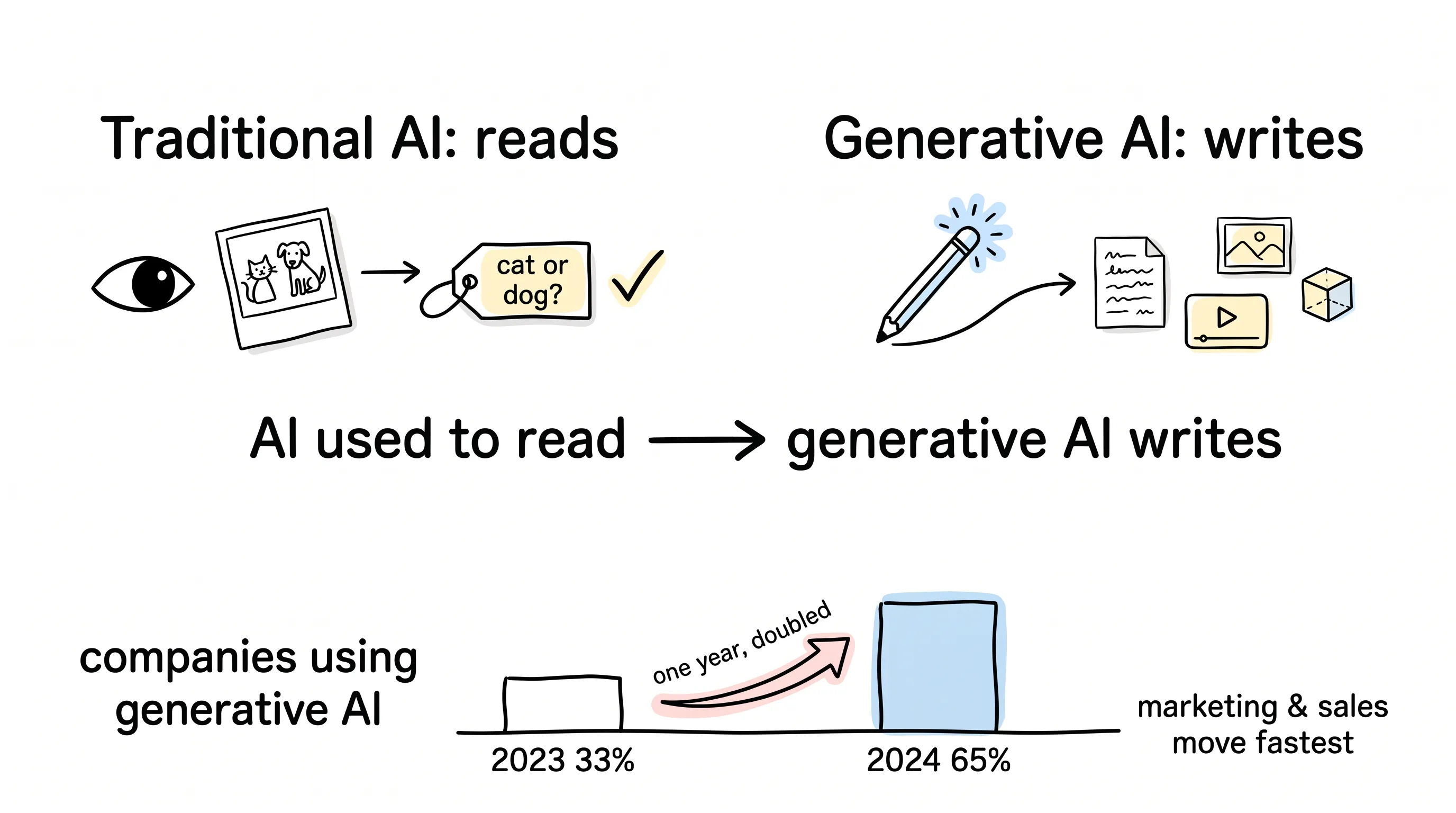
Traditional AI was a "look at the picture and describe it" tool. You show it a photo, and it tells you whether that's a cat or a dog. That's recognition.
Generative AI is the reverse: it creates something out of nothing. You give it a sentence, and it writes you an article, draws a picture, makes a video, builds a 3D model.
Put simply: AI used to read; generative AI writes.
McKinsey's global AI survey found: in 2023, 33% of companies were using generative AI; by 2024, that number had climbed to 65%.
One year. Doubled.
Think about it: out of 100 companies, only 33 were using it a year ago — a year later, 65. And that's just "using it," not "using it well." Marketing and sales are the two fastest-moving areas.
So why does brand marketing take to generative AI so naturally?
User Engagement Is the Lifeblood of Marketing
Because marketing's oldest headache has never changed: user engagement.
When a brand runs an ad, what does it fear most? That you scroll right past. No matter how good the ad is, you're just a spectator. And spectators don't share for you.
So when does a spectator become a participant? Think about it — when do you share a piece of content? When it looks good? No. When there's "you" in it.
So the first move of generative AI in brand marketing is to make the user the star.
Let me tell you three stories.
The First Story: Making the User the Star
Cadbury, UK, 200 years as a brand. It built a tool called "My Cadbury Era," part of the "200 Years of You" campaign. It drops users into its classic old commercials. You're not watching a Cadbury ad — you are the Cadbury ad.
200 years of history, turned into your personal show.
The Barbie poster was the same play. Warner Bros. and PhotoRoom built a selfie generator: upload a photo, and within seconds you're on the poster. Overnight, it flooded social networks.
Then there's Byten21's "Neon Hero." A selfie generator in 70s sci-fi movie style — 10 seconds to an image, works on both phone and desktop, and it even keeps your hairstyle consistent.
Ten seconds per image. Customization used to be an artist's job. Now, it's every user's.
The Second Story: Making the User the Creator
Coca-Cola went even bolder.
It built a platform called "Create Real Magic," together with OpenAI and Bain & Company, combining GPT-4 and DALL-E capabilities and opening up its century-old ad archive. Use it freely, and create your own work.
And if your work is good? You get a chance to be up on the digital billboards in Times Square and Piccadilly Circus.
Times Square. A spot most brands can't buy at any price — and Coca-Cola put its users' work up there.
Chupa Chups' "AI World of Lollipops" follows the same playbook. Users can customize their own candy fantasy world, put their name in it, generate images, and share with friends. Users turn "the sweetest dream" into reality — and deepen the brand relationship along the way.
The Third Story: Putting the User Into the Story
For the 15th anniversary of AWE (Augmented World Expo), they built an AI camera app called "Reality Multipass," turning users into the protagonist of a "future story."
Canal+ Poland is even more interesting. To promote its new series The Love Algorithm, it built a dedicated page where users can talk about their own relationship troubles with the help of AI. Before you've even seen the show, you've already had a heart-to-heart with AI about your own troubles.
Notice something? These three stories are three layers of the same playbook:
Make the user the star, and the user gains a sense of belonging; Make the user the creator, and the user gets a sense of participation; Put the user into the story, and the user gets a sense of immersion.
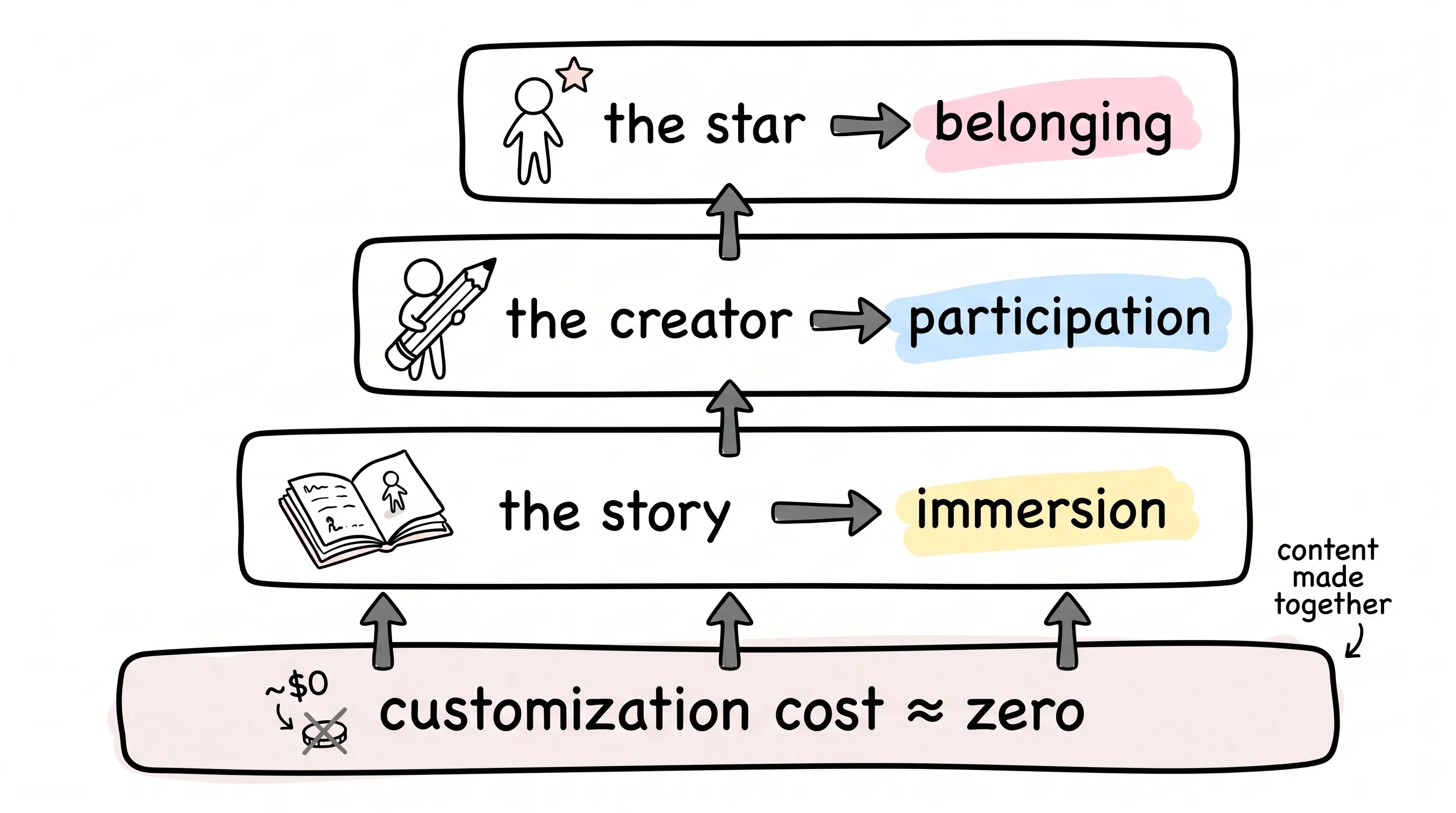
And the prerequisite for all of it is that generative AI has driven the cost of customization down to nearly zero.
Before, content was something brands made for users to watch. Now, content is something users and brands make together.
But Everything Has a Flip Side
But everything has a flip side.
Generative AI is not all-powerful. There are at least four pitfalls, and you need to think them through first.
One, content can go wrong. AI-generated content can be wrong, and it can carry bias. Wrong content can mislead marketing decisions — and even wreck a brand's reputation. What to do? Use your own domain data to teach the model your business, and add human review on top. AI generates; humans take responsibility.
Two, users will push back. Some consumers feel uncomfortable seeing AI-generated content, especially in settings like customer service that need a "human touch." What to do? Be honest. Tell users "this was made by AI" — don't fake it. Fake it, and that's where trust starts to collapse.
Three, copyright will turn into a mess. The ownership of AI-generated content is still a murky ledger, and it could land you in a lawsuit. What to do? Find reliable partners and make sure the generated content complies with intellectual property law.
Four, cybersecurity. Generative AI can also be used by bad actors to launch attacks, and the risk of data leaks rises. What to do? Update your security protocols regularly, and build your own internal capabilities.
The Next Stop: Training Your Own Model
So where do we go from here?
After tools like Stable Diffusion came out, a new road opened up in front of brands: training your own AI model.
Byten21 is doing exactly that. It dove headfirst into training its own AI model, aiming to help brands and marketers build custom generative AI solutions.
This step can do at least two things: do more with less — more content from fewer resources — and make marketing decisions smarter. Go deeper, and it can turn your IP into new value — the proprietary model you train is an asset in itself.
It will also shake up how creative, data, and digital media divide the work and collaborate. If you don't move forward, you fall behind — one step slow, and you could be left in the dust by newly emerging AI startups.
For brands, the verdict is clear: AI won't replace brands — but brands that use AI will take the market from brands that don't.
Back to the Beginning
Back to the poster from the start.
119506 likes — and what people liked wasn't the movie star, it was each ordinary person themselves. That's the real gift generative AI gives to marketing: it turns the billboard where everyone saw the same face into a mirror where everyone sees themselves.
Don't rush to treat AI as a tool. Treat it as a mirror first — look into it, and see what kind of person your users want to become.
Here's hoping you find the mirror that's yours, and soon.
Continue reading
Related articles

When AI Does the Creative, Mistakes Come in Batches Too
A learn article on the risks of using generative AI for marketing creative across brand, legal, compliance, and operational layers, with case examples and seven practices for review, rights clearance, documentation, and vendor governance.
Which AI Should Your Startup Actually Use for Marketing?
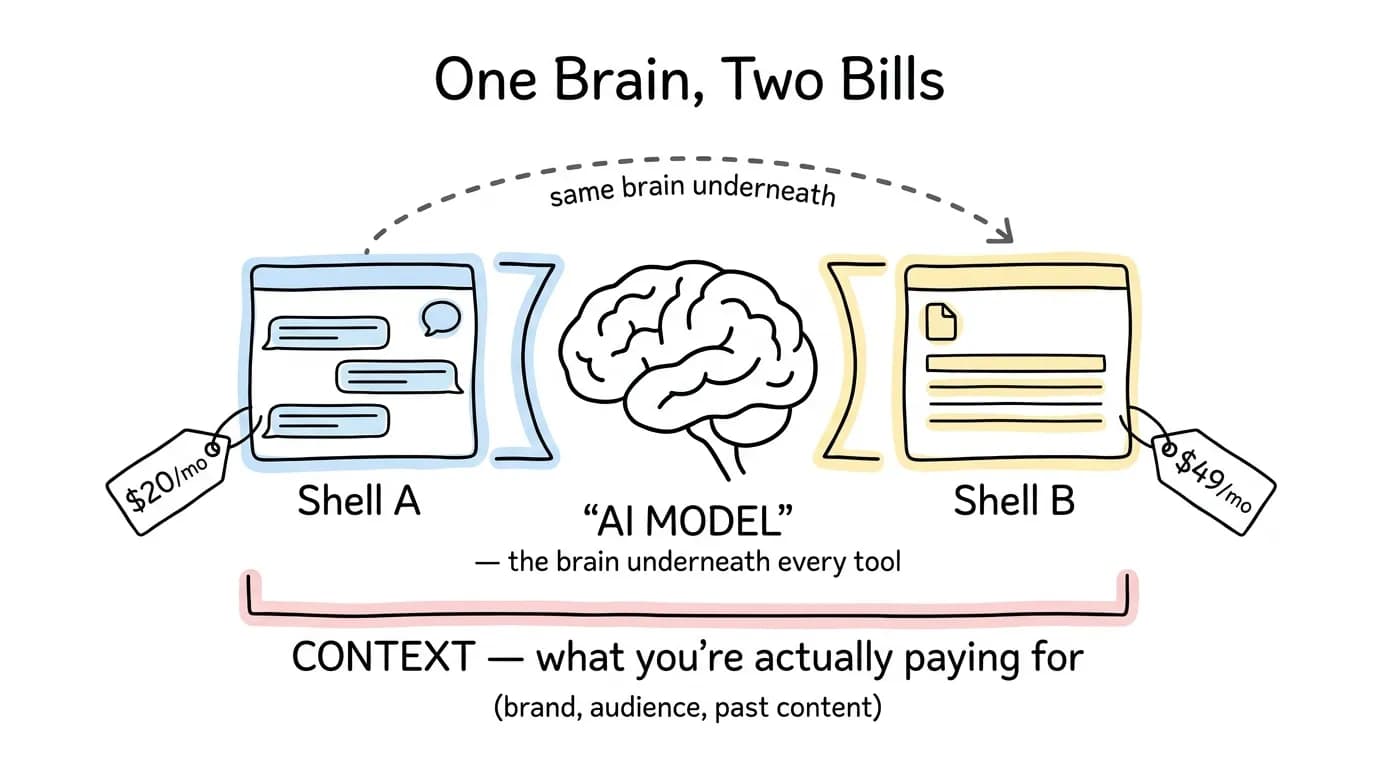
A startup marketing guide explaining the difference between AI models and tools, sorting tools by job (writing, research, design, leads, email, video ads), and outlining a 30-day test plan for choosing them. It also covers generative engine optimization and budget trade-offs.
31 AI Marketing Tools, Reviewed One by One: How Exactly Should You Spend the Money?
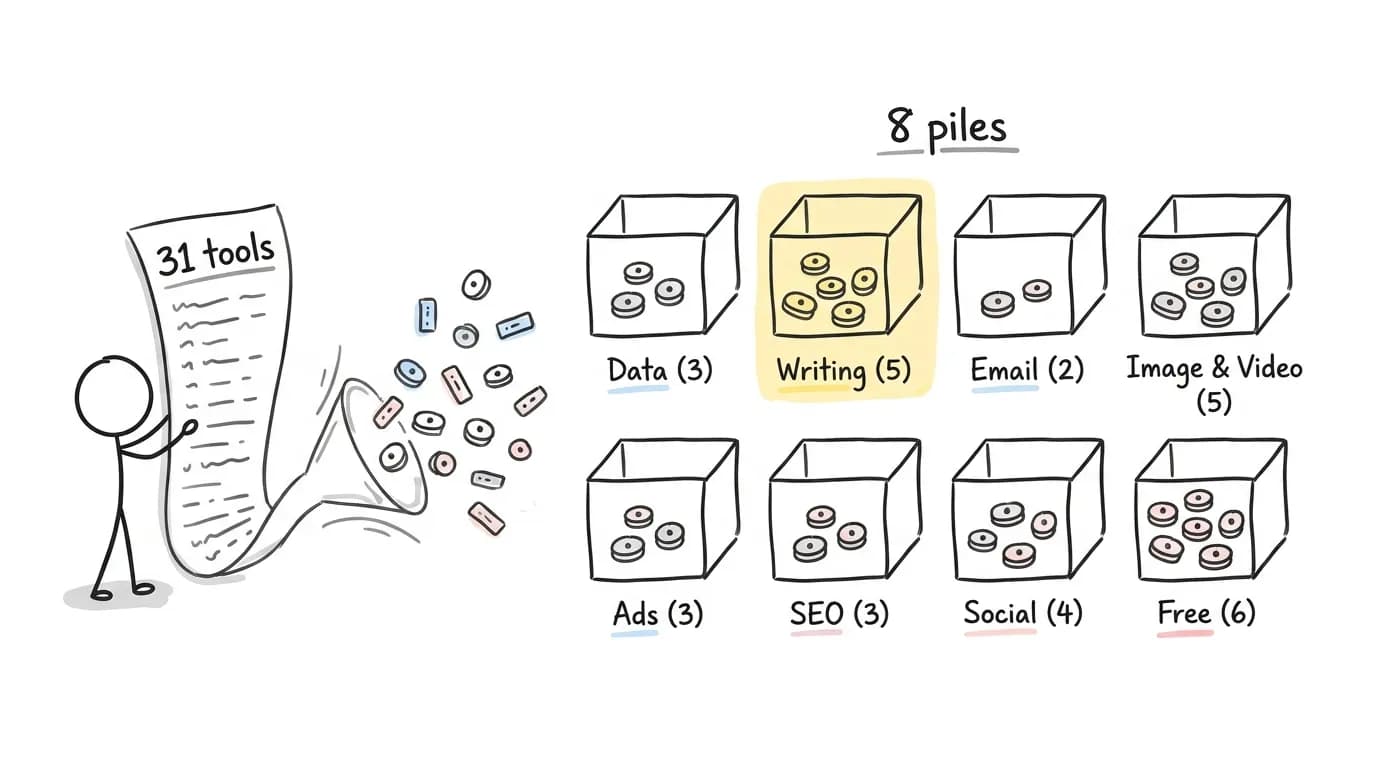
A review of 31 AI marketing tools grouped into eight categories, covering data, content, email, video, ads, SEO, social, and free options, with guidance on choosing one strong tool for your most frequent task and testing free tiers first.