
AI Is Doing Your Marketing — and Piling Up Your Fines
This learn article explains the main regulations affecting AI marketing — GDPR, CCPA, CAN-SPAM, and the EU AI Act — and covers ethics practices for inclusion, bias mitigation, and transparency, along with practical steps such as obtaining consent, using secure AI platforms, and auditing AI output.
A few nights ago, past midnight, I got a call from an old friend who runs an e-commerce business.
His voice was tense. One of their marketing interns, working on customer segmentation, had pasted a batch of customer records — phone numbers and shipping addresses included — straight into the free web version of ChatGPT.
Only after pasting did it occur to them to ask: is this okay?
I said, do you know what this action is called in legal terms? Processing personal data without consent. In Europe, the cap on that fine is €20 million, or 4% of your global annual revenue — whichever is higher.
He didn't say a word for the longest time.
Today's article starts from that phone call. There's so much AI can do in marketing: write ad copy, write blog posts, build user profiles, optimize ad placements, even manage everything from lead nurturing all the way to conversion tracking. It carries the heavy lifting for you, all of it.
But there's one thing it touches along the way, too. Consumer data.
The more capable your AI gets, the closer you stand to the minefield.
Question One: How Do You Get Past the Regulations?
Here's the bottom line. When you use AI in marketing, there are three major checkpoints worldwide: one governs data, one governs email, and one governs synthetic content.
Let's take them one at a time.
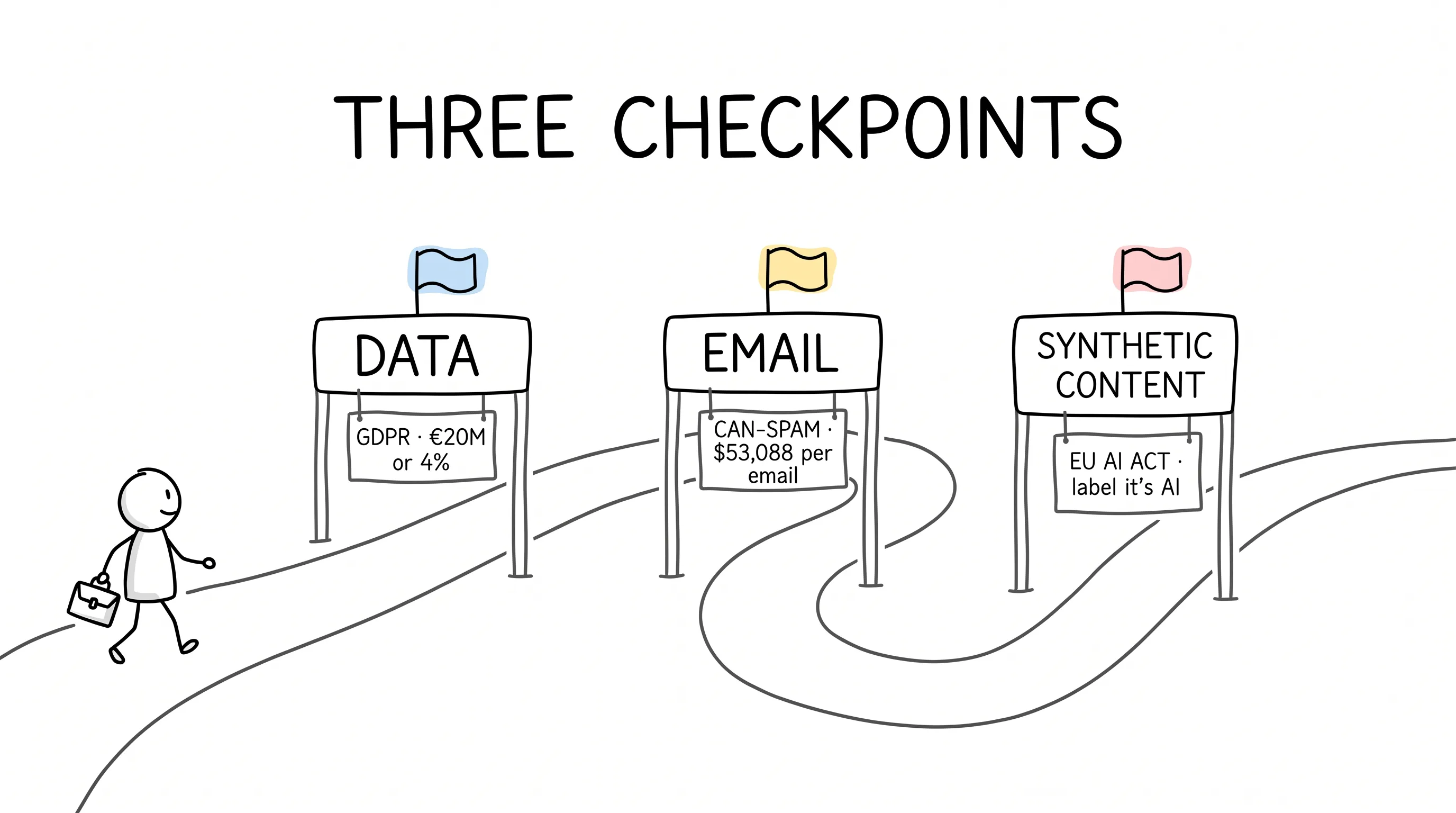
First, the one governing data. What is GDPR?
It's the European Union's General Data Protection Regulation, in force since 2018. It covers personal data within the EU and the European Economic Area.
Note that it doesn't just govern European companies. As long as your business reaches inside Europe's borders and handles consumer data, it applies to you — even if your company is based in Guangzhou and your servers sit in Singapore.
If you use AI to process data on EU customers, you have to do a few things: why you're using it, how, and with what tools — all of it clearly disclosed to users. And users can demand, at any time, that you delete their data from your records.
What if you don't comply?
Up to €20 million, or 4% of global annual revenue — whichever is higher.
The US has its counterpart: California's CCPA, the California Consumer Privacy Act. Similar logic: touch consumer data, and you play by the rules.
Next, the one governing email. What is CAN-SPAM?
A US anti-spam law passed back in 2003. Its full name, translated literally, is remarkably aggressive: the Controlling the Assault of Non-Solicited Pornography And Marketing Act. The name is fierce, but what it regulates is very concrete: if you send commercial email, your subject line, header information, and body must all be truthful; the unsubscribe link must be easy to find and must actually work when clicked; and you need the recipient's consent before sending.
What does this have to do with AI?
A great deal. Litmus, an email marketing platform, once ran an email trends survey: 34% of marketers were already using generative AI like ChatGPT to write email copy.
There's no denying AI writes email fast. But you know its old habit: chasing attention, subject lines drift toward the exaggerated, slide into clickbait, even brush up against deception.
And CAN-SPAM has a distinctive way of fining violations: per email. One non-compliant email can cost up to $53,088.
You read that right. Per email.
Blast a hundred thousand emails, and every single one could be a fine. Do the math yourself.
Finally, the third checkpoint, governing synthetic content. In 2024, the EU passed the AI Act — commonly known as the EU AI Act.
For marketers, its most important requirement comes down to one sentence: your customers must know when they're dealing with AI.
What does that mean?
Take synthetic media. AI-generated images, cloned voices, deepfakes, even the virtual influencer who doesn't exist in real life. If your marketing content uses any of these, you have to tell users, plainly.
You can't play dumb.
The cost of violating it is in the same league as GDPR and CAN-SPAM.
Question Two: Compliance Done — Are You Safe Now?
Three checkpoints covered. Feeling relieved? I've followed every law — I'm safe now, right?
Not quite.
Regulations manage your legal risk. But consumer trust isn't something the law can give you. It has to be earned through ethics.
Three ethical things: inclusion, bias mitigation, transparency.
One at a time.
First, inclusion.
Data on the internet carries bias to begin with — gender, race, skin color, physical ability. Train AI on that data and the bias flows straight into its output: ads, social posts, website copy can all end up carrying discriminatory content.
The moment it goes public, it's a PR disaster. Trust shatters on the floor — sometimes with a fine attached.
The fix? Set rules for your AI tools and keep non-inclusive content out of the output. If a tool keeps producing problems, either retrain it, adjust the prompts, or simply switch to a tool with stronger guardrails.
Next, bias.
AI bias comes from three places: bias in the data, bias in the algorithm, bias in people.
Data bias means the training data was incomplete or skewed from the start, so the output leans the same way. Feed ChatGPT a dataset where the ideal customer profile (ICP) is overwhelmingly male, and it will keep writing ad targeting copy aimed only at men — and sound perfectly confident about it.
Algorithmic bias means you trained the model to favor a particular outcome, even when the logic doesn't support it.
And human bias?
One example. Grok, the chatbot from Elon Musk's xAI, was accused of carrying Musk's own views into its answers to users.
A human fed himself into the model.
What does this example show? That bias lives not only in the data, but also in the hands that train and tune the model.
So train regularly on audited customer data, and set neutral rules for data labeling and prompt design.
Finally, transparency.
Transparency is actually the simplest one: if you use AI, say so, openly.
Why you use AI, what data you process, how long you store it, when you use it — tell users. If content is AI-generated — especially when AI does the lion's share — label it.
AI ad targeting is the same. Give users a reason: why did this ad show up in your feed? Because you visited my site, used my tools, saved similar products — the algorithm remembered for you.
The more transparent you are, the more comfortable users become handing their data over.
Regulations are the floor. Trust is compound interest. Keep the floor intact and you don't go bankrupt; let the interest compound and you make money.
Question Three: Tomorrow at Work, What Exactly Do I Do?
That's the theory. On the ground, it comes down to four things.
First thing: get explicit consent.
IAPP — the International Association of Privacy Professionals — published a privacy and consumer trust report in 2023: 68% of consumers worry about the privacy of their online data, and 57% see AI as a major threat to their privacy.
Trust was thin to begin with. AI made it thinner.
So build a standard privacy policy page that states clearly what you use AI for. Get consent before collecting or processing data. Add a second confirmation before data goes into any AI. Check in with users regularly: when they want to opt out, make opting out easy; when they want their data deleted, let them delete it cleanly.
Second thing: use secure AI platforms.
Free public large models — the free web versions of ChatGPT, Perplexity, Gemini — have a default setting most people don't know about: unless you manually turn it off, whatever you paste in is opted into "data sharing."
Your data will be used to train the model, even to fine-tune outputs for other users. In other words, you might catch a glimpse of your own customers in someone else's answers.
That's a violation of consumer privacy law.
How do you prevent it? Use the paid tiers of mainstream models. Before pasting anything in, turn data sharing off. For bulk marketing data, use a private data analytics platform like Snowflake — don't cross the public bridge.
There's also a low-tech trick that works surprisingly well: search the AI vendor's brand name on Google and see what comes up. If the results are buried on page ten, think twice. A company that holds a spot on the first page of search results usually — I said usually — has real customers and a reputation to protect, and will think twice before stepping out of line.
Of course, before any formal partnership, read the security whitepaper and the privacy policy, one document at a time.
Third thing: audit AI output regularly.
AI has a flaw called hallucination: it confidently fabricates information that sounds right. No matter how well you write your prompts, it can still invent a study that doesn't exist, a statistic that isn't real.
Publish it unchecked and the mildest case is a very public embarrassment; the worst case is false marketing — wiping out in one go the trust it took you years to build.
So someone must review before anything goes out. Build a content review team that watches every piece of AI output headed for publication. Write an AI usage manual for the team: which words may never appear, what brand voice the tone should match — spell it out. And go back over past content that was partly or wholly AI-generated, to check whether the brand voice still holds.
Before adopting a new AI tool, run it past legal first. Compliance is the first filter for vetting vendors. Don't invite risk in the door for a marginal gain in performance.
Fourth thing: make "keeping up with regulations" a routine.
Data privacy and AI law change all the time. Every quarter, review the regulations in every region where you do business — treat it as a routine checkup.
Doing business in Europe: GDPR and the EU AI Act, every quarter, no exceptions. In the US, beyond federal law, each state runs its own regime — California's CCPA, for example.
Don't find it tedious. Regulators won't give you advance notice. The fine will.
Finally, Back to That Phone Call
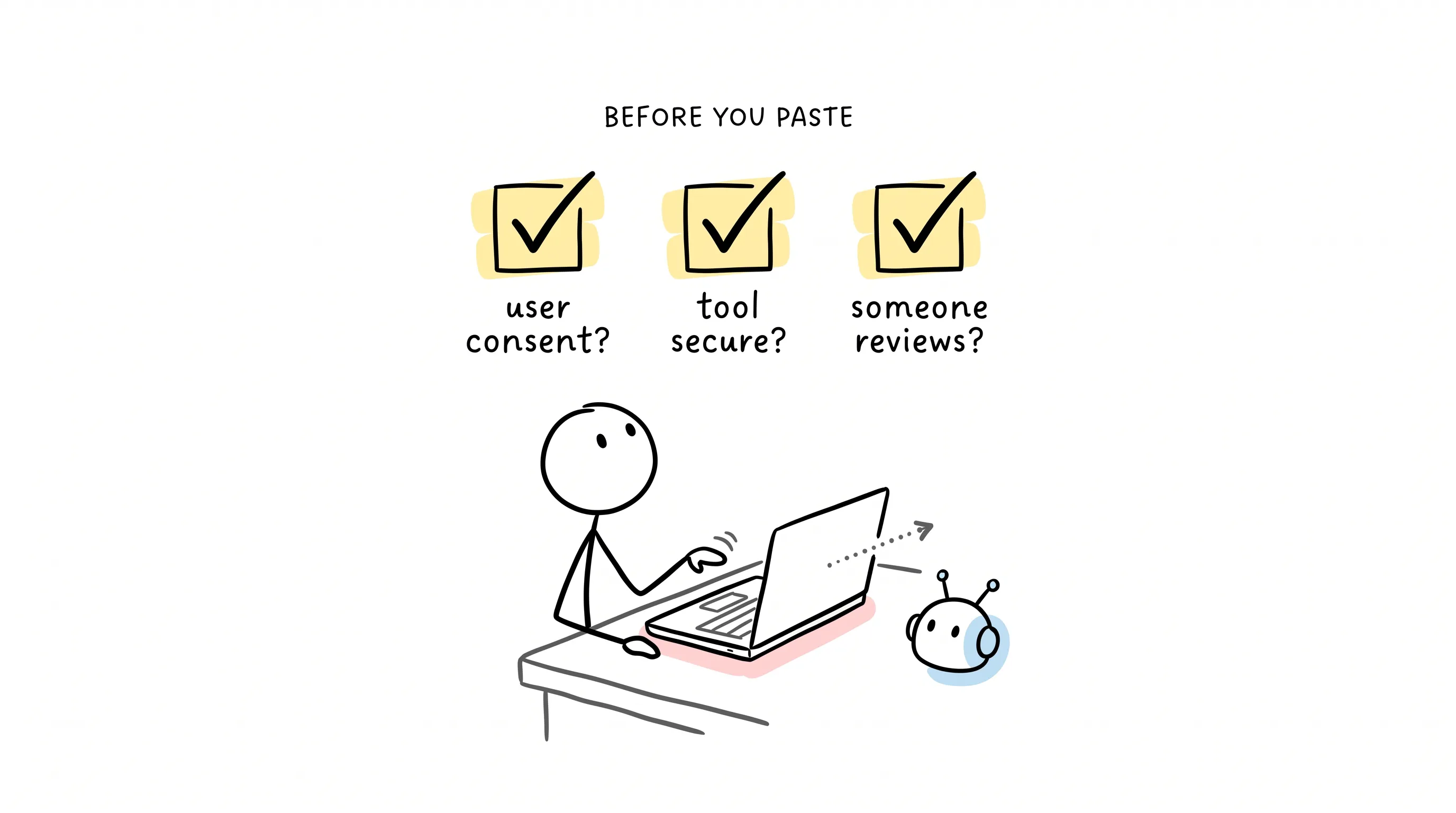
Late that night, the last thing I told my friend was: before you paste any data out, ask yourself three questions.
Did the user consent? Is this tool secure? Does anyone review what goes out?
Answer yes to all three before you touch the keyboard.
AI working its way into the core of marketing — there's no undoing it. The more you depend on it, the more chances it gets to touch consumer data, and the higher the odds of mistakes and overreach.
So this isn't a question of whether to use AI. It's a question of how to make compliance part of the daily routine while you do.
And once again, I wish my friend — and you — never have to pay a single one of the fine amounts in this article.
Continue reading
Related articles
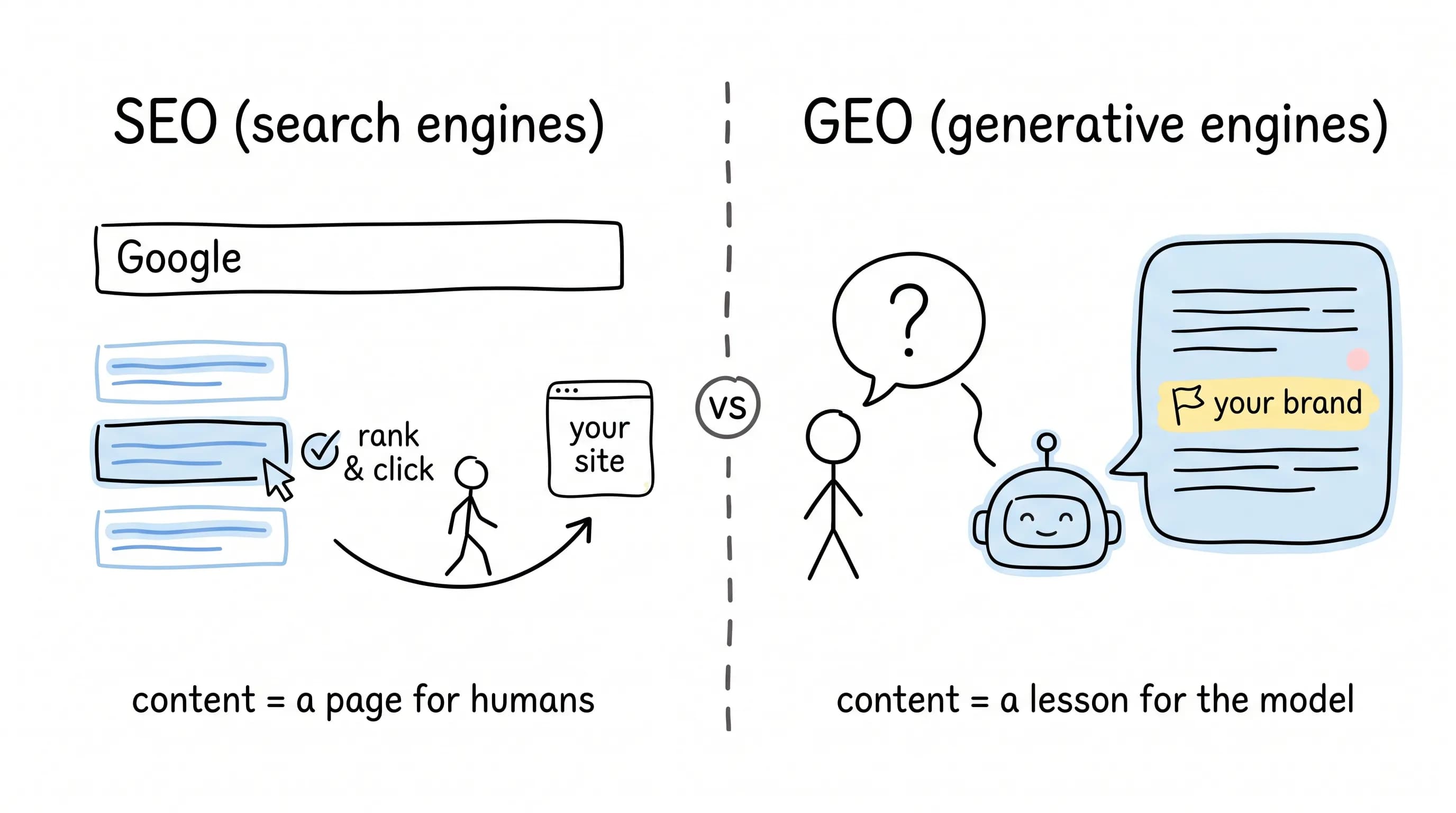
Does AI Know Your Brand? A Look at GEO, the New Craft
An explainer on GEO (Generative Engine Optimization): how AI engines like ChatGPT, Perplexity, and Gemini differ, how GEO goals and metrics diverge from SEO, and which SEO skills still carry over.
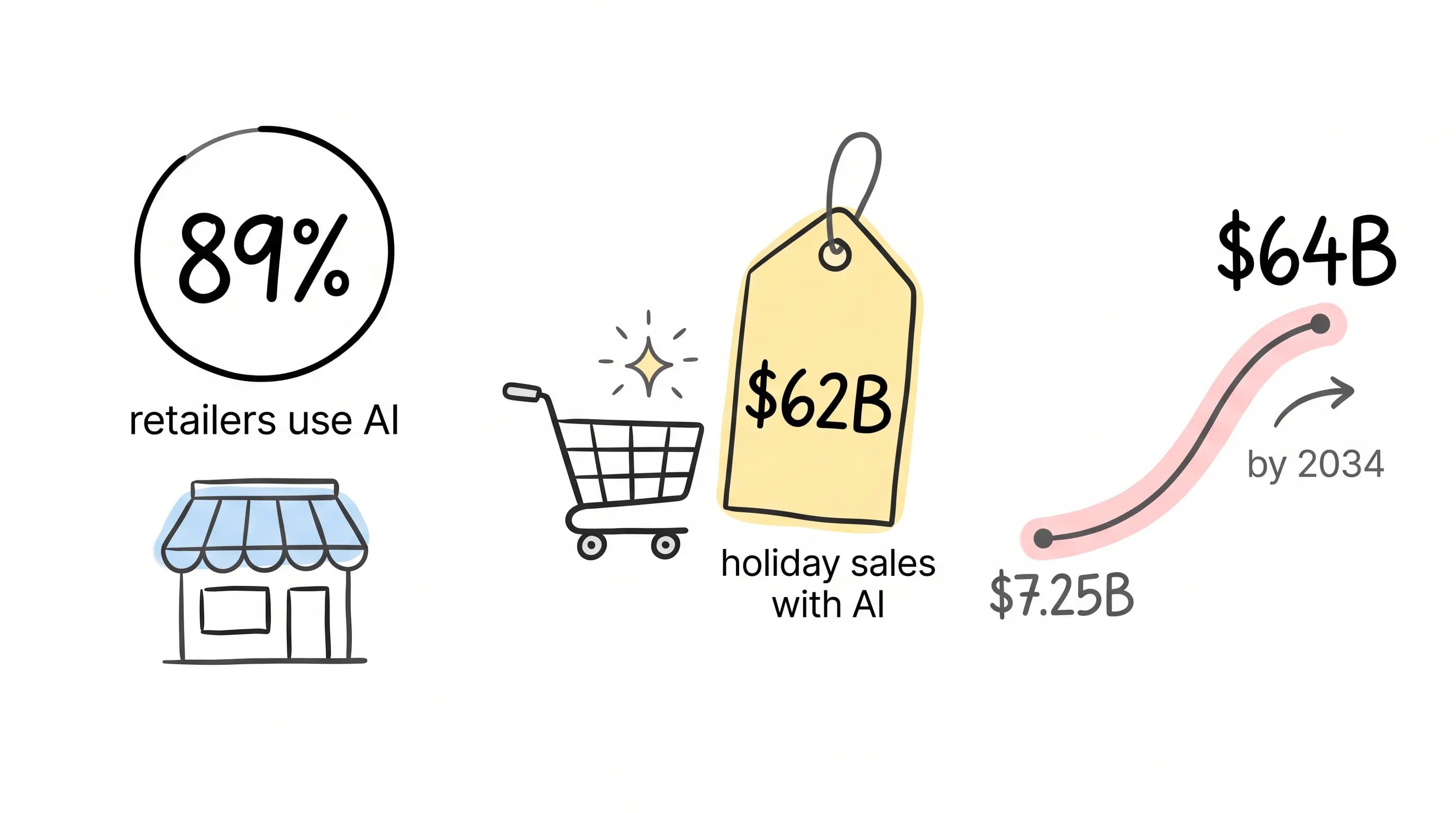
89% of Retailers Are Already Using AI. The Playbook for E-Commerce Has Changed
A learn article on AI in e-commerce: adoption context, use cases from recommendations, search, dynamic pricing, customer service, inventory, and fraud control, plus B2B applications, generative AI content, tool examples, pitfalls, and a six-step adoption path.
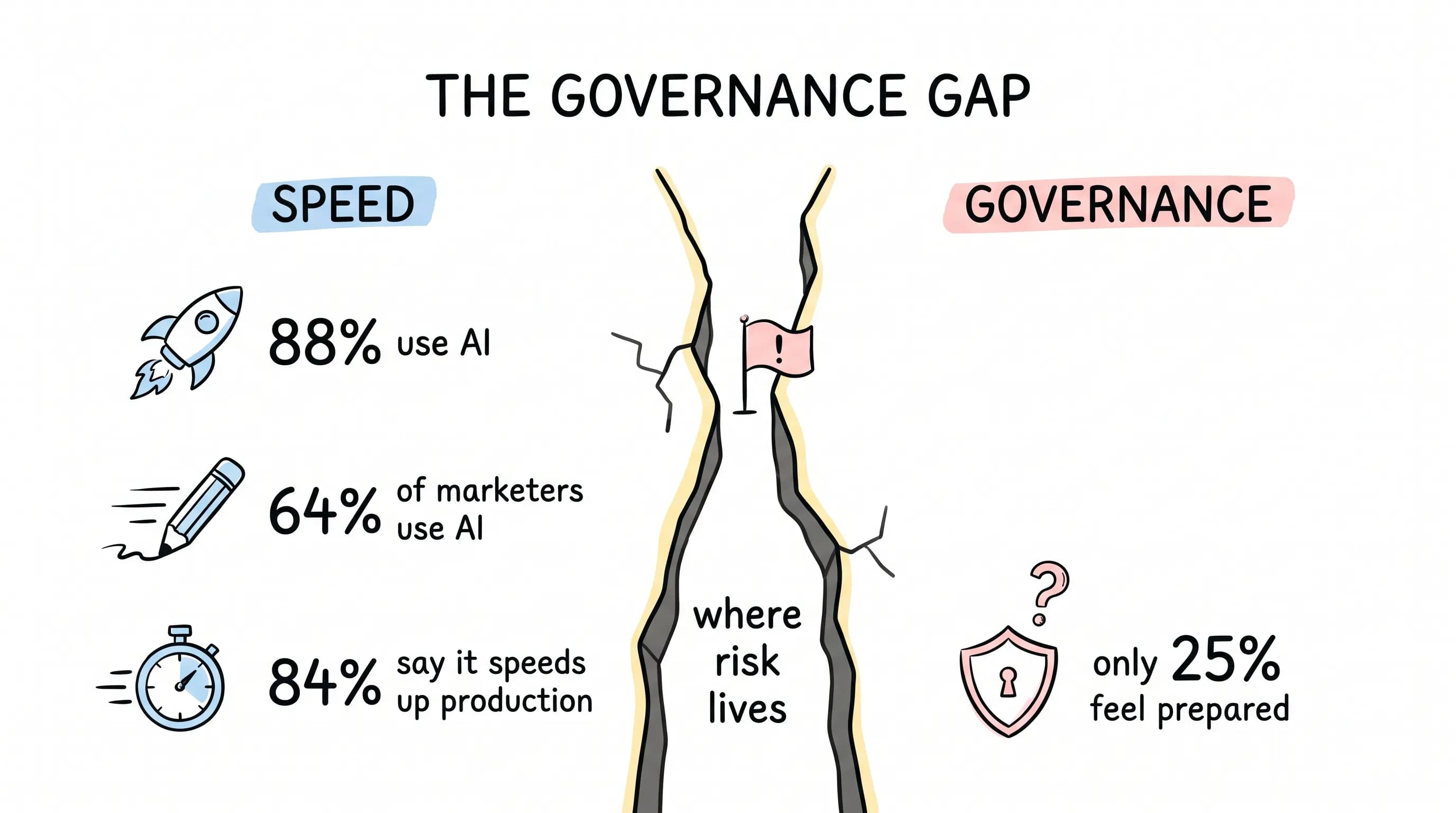
AI Makes Content at Lightning Speed — But Can You Answer "Who Approved This?"
This article looks at the gap between AI content speed and governance readiness in marketing teams, and outlines nine control points — prompt validation, brand guardrails, permissions, approval workflows, human review, versioning, IP checks, audit trails, and asset reuse — for brand-safe AI content.