
This Year's AI Marketing Award Winners Are Really About One and the Same Thing
A commentary reviewing this year's AI marketing award-winning cases, including work from Samsung, Audi, Taishin Bank, Cathay Pacific, Nestlé, and Shell, arguing that the winners share a focus on using AI to understand people earlier rather than mass-producing content.
Recently I went through this year's newly announced batch of AI marketing award-winning cases, from start to finish. Three Platinum, three Gold, two Silver, and one Special Award. Samsung, Audi, Taishin Bank, Cathay Pacific, Nestlé, Shell — they're all in there.
When I finished, I sat there for a while, in no hurry to close the page.
Because this year, when people talk about AI, the talk has mostly been about cutting costs, boosting efficiency, and mass-producing content. Yet almost no one in this batch of cases is showing off "how much material we generated." What they're talking about is something else: using AI to see people more clearly.
The dividing line in AI marketing is shifting from "who does it faster" toward "who understands people earlier."
What does understanding people earlier mean? Let me walk you through a few cases first, and you'll see.
I. Before You've Even Thought About Buying
The first one: Samsung.
How do we usually think about phone marketing? Marketing doesn't show up until consumers start searching for phones, comparing specs, and reading reviews. Samsung's Platinum-winning project challenges precisely that script. Using AI on retail media data, it hunts for the faint signals hiding inside "seemingly unrelated shopping behaviors," spotting in advance that some people's needs are already taking shape — they just haven't hardened into "purchase intent" yet.
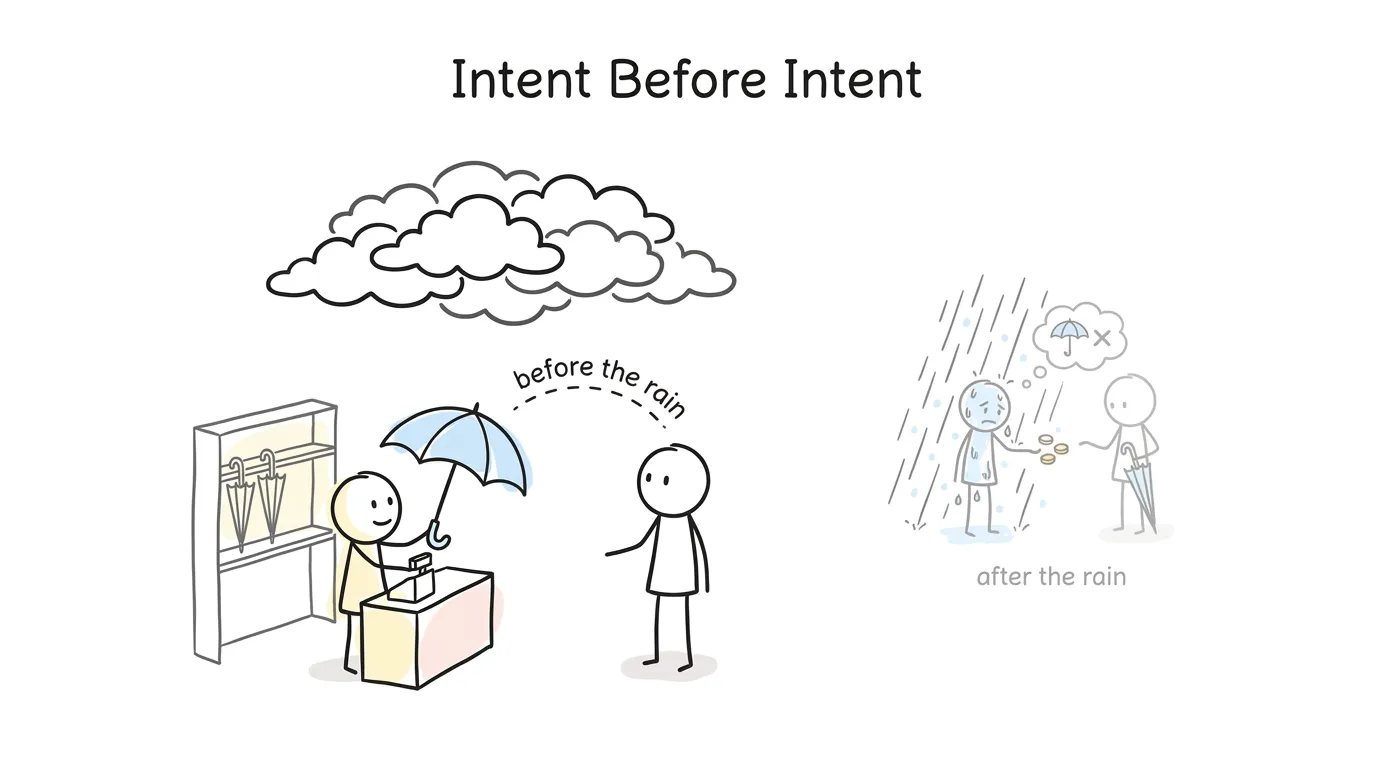
The project's name is brilliantly chosen: "Intent Before Intent."
Think about what that means. Retail media as a channel used to be a checkout counter: the consumer is already at the door, you run a promotion, they order, pay, and leave. Now it has become a weather station. The rain hasn't fallen, the clouds have just gathered — and you're already standing there.
Selling an umbrella after the rain hits your head — that's promotion. Handing one over just as the clouds gather — that's real skill.
The second one: Audi, same line of thinking.
Nobody wakes up one morning and decides to buy an Audi. Behind a car purchase is life itself pushing: a move, a job change, a new family member on the way. Inside Amazon's ecosystem, Audi uses AI to read these life-change signals, connecting with you long before you'd count as an "auto-intender audience." It doesn't force its way in — it's simply there at exactly the moment you need it, and you're the one who finds it.
Notice what these two are doing? It's the same thing: moving "capturing demand" forward into "anticipating demand."
II. Turning the Invisible into a Signal
The third case is my favorite of the whole batch. Taishin Bank.
A bank has just been through a big merger — how does it keep an emotional connection with ordinary people? The conventional move is to slice the audience: ages 25 to 35, tier-one cities, white collar. Taishin didn't do that. It used AI to search anonymous behavioral data for the shared pattern of one kind of person: people who live earnestly and are willing to put in unglamorous, patient work. In their words, it's called "diligence" (qin).
Put plainly, it turned "diligence" — a cultural value that's very hard to quantify — into a signal that can be identified.
I paused for a long time when I read this. The usual use of AI is to compute conversion, funnels, ROI. This bank took AI and used it to recognize "who is working hard at living" — and then paid tribute to those people. Same technology; the gap in how it's used is plain at a glance.
III. In the Second You Hesitate
Now, Cathay Pacific.
You and I both know how vicious the fight over airfare is — everyone competes on price. Cathay went the opposite way and competed on value. It built a system that specifically spots the "moments of hesitation" in the booking process: comparing fares back and forth, switching between options, stalling before ever clicking pay. Once spotted, it assembles different content in real time to match each traveler's needs and delivers it.
Like a good shop assistant. You're in the store, going back and forth between two models. He stays out of the way; the third time you pick one up, he happens to walk over and says exactly the one line that dissolves your doubt.
The conversion battle is usually won not on the price list, but in those few seconds of hesitation.
Nestlé's infant nutrition brand NAN does something similar, only the audience has changed to new mothers. A new mother's decision-making is never a straight line: research, ask friends, second-guess, worry all over again. Using its own MomLogic model, Nestlé looks for those "moments of uncertainty" and offers support at the moment it's needed most. What it hands over isn't a set of product selling points — it's reassurance.
Build confidence first, then talk business. Get the order right, and the business follows.
IV. Taking Emotion Seriously, Too
A few more cases — same direction, different settings.
Shell V-Power built a set of highly personalized F1 digital experiences around the Ferrari team, letting fans feel "closer" to the drivers they love. A tank of premium fuel, and they somehow sold emotion with it.
Stresstabs, a functional supplement brand, created an AI companion character for young consumers — personalized interaction, real-time chat, with human oversight behind it. A functional product grew emotional value.
Amazon's Global Selling program faces yet another group: Taiwan's small and midsize business owners who want to go overseas and are afraid of it. How does logistics work? How do I collect payments? Who carries the risk? How do I know if I'm even ready? AI identifies each company's motives, concerns, and readiness, then speaks to each one's specific difficulty in words that particular owner is ready to hear. In B2B, trust arrives first; orders follow.
V. One More Thing Many People Haven't Noticed
In this batch, a Special Award went to a company called Zuuvi. What it does can be explained in one sentence: building infrastructure for creative work.
What does that mean? AI has pushed the cost of producing content toward zero; a brand can turn out thousands upon thousands of assets a year, flooding every channel. And then? The brand starts to lose its shape, each channel's expression scattered in pieces. Zuuvi adds a layer of governance between "brand strategy" and "concrete execution": detecting brand drift, holding the line on consistency, and feeding performance data back into creative decisions.
A while ago, everyone scrambled to make content. Now, keeping content in line has become the new profession.
Back to the Beginning
That night, I finished all eight cases, closed the page, and stayed in my seat.
A phone maker, a carmaker, a bank, an airline, a formula seller, a fuel seller — industries worlds apart, yet the move underneath is the same one:
Use AI to see people earlier, understand them more precisely, and treat them more thoughtfully.
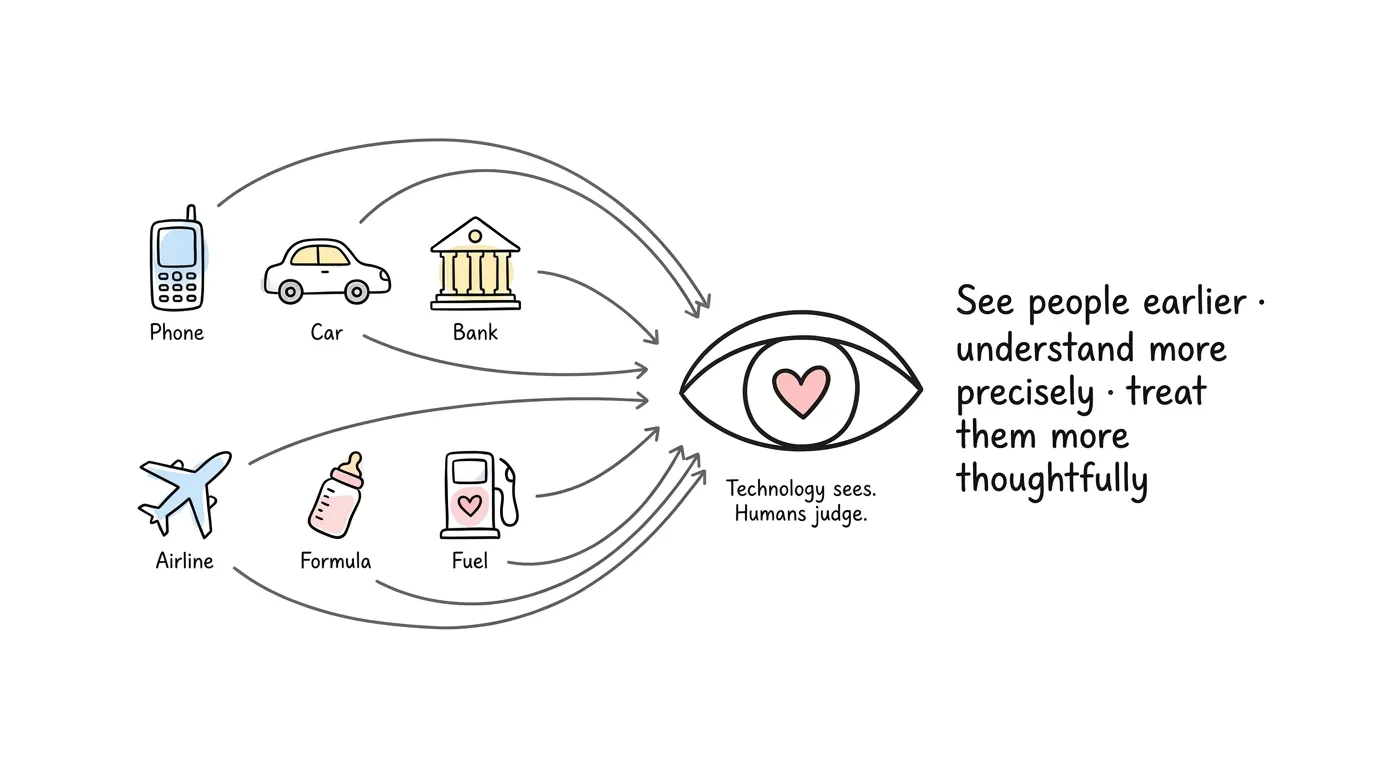
Technology does the seeing; humans do the judging. That is exactly what this batch of winners proved.
So the next time someone starts talking to you about AI marketing, don't begin by asking which model they used or how many assets they generated. Ask one question first:
Who is the one specific person it helped you see?
Continue reading
Related articles

It's 2026: Stop "Buying" AI Tools for Your Marketing Team — Start "Hiring" AI Agents
This learn article explains how AI agents differ from standalone AI tools in marketing, outlines three agent categories — build-your-own platforms, CRM-native agents, and vertical tools — and covers use cases across SEO, social media, advertising, and reporting, plus criteria for choosing one.

Did the Money You Spent on AI Marketing Ever Come Back?
A guide to measuring AI marketing ROI across three layers: ad reports, sales pipeline, and the financial ledger. Covers metrics such as ROAS and CPA, eight dashboard metrics, industry benchmarks, and common measurement mistakes.

How to Pick a Creative Automation Platform: First, Figure Out What These Eleven Actually Do
A learn article sorts eleven creative automation platforms — including Bannerflow, Celtra, Smartly.io, and Storyteq — into four functional groups and proposes five evaluation questions covering publishing reach, automation depth, ease of adoption, team fit, and verifiable evidence.