
Amazon Moved the Seller Back Office into Claude
Amazon launched a plugin that lets sellers manage inventory, pricing, and listings inside Anthropic's Claude, with an updated Seller Assistant that carries seller memory across Amazon Quick and Claude. The piece also examines how these operations connect to advertising decisions.
A few days ago, Amazon announced something. At first glance, it doesn't seem like much. Look closer, and it gets interesting.
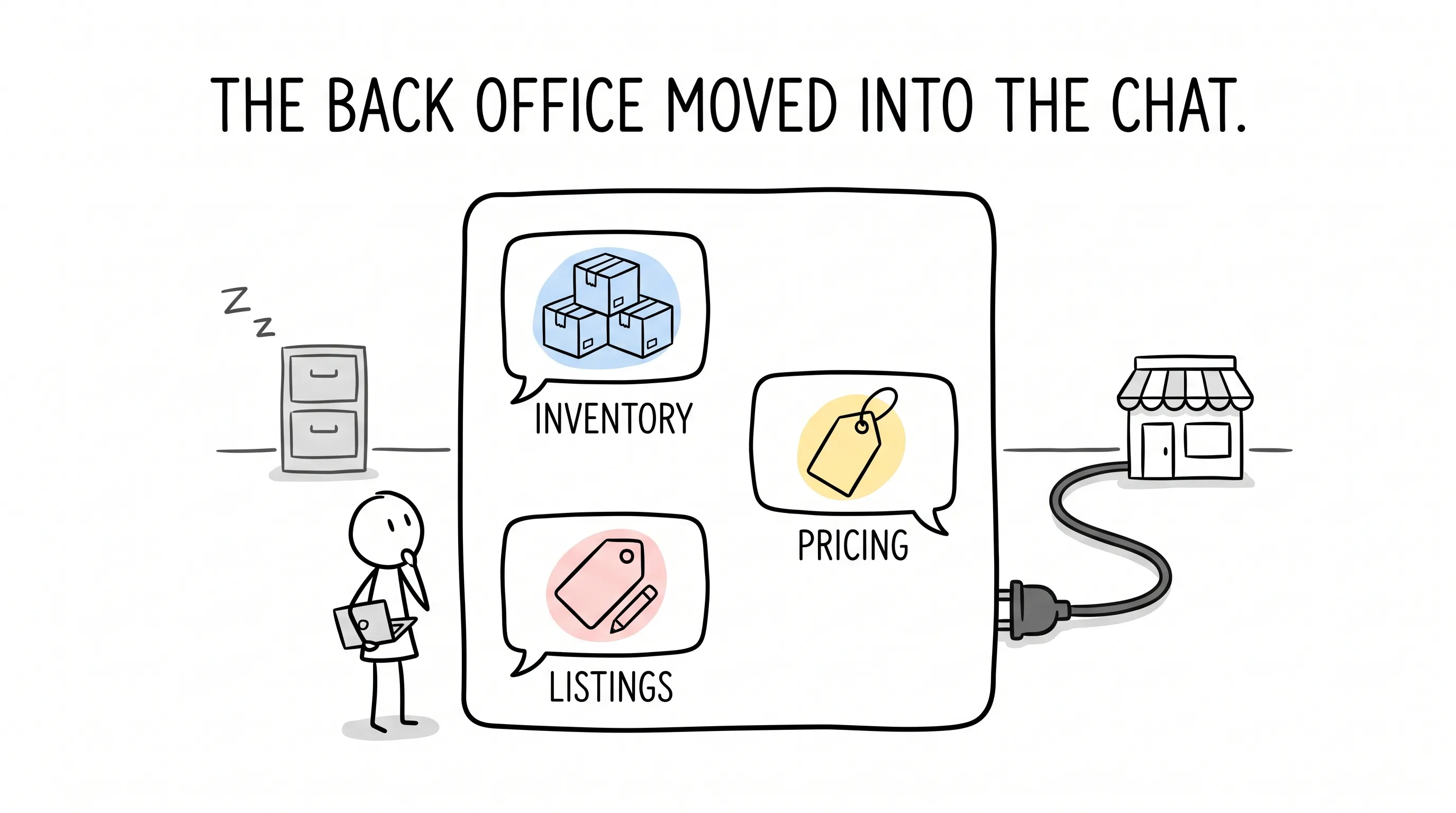
It built a plugin for sellers. Once installed, sellers no longer need to open Amazon's seller back office — they can check inventory, adjust prices, and edit listings right inside Anthropic's Claude.
Yes — doing business inside Claude.
Before you shrug and say "what's so special about that? The back office could already do all this" — let's take it one thing at a time.
What is Amazon Quick? It's Amazon's own AI companion: it helps you write documents, build spreadsheets, do research, and it plugs into the email, calendar, and files you already use every day. With this plugin, sellers can run their Amazon business from either entry point — Quick or Claude.
But the real change isn't in the buttons. It's in the memory.
Amazon has an assistant called Seller Assistant. It launched back in 2023, and this time it got a major update. It remembers each seller's pricing habits, inventory cycles, and growth goals. And no matter which platform you're working in on a given day, it follows you. Switch over to Claude and ask a question — on the other end is still the same person who understands your business.
What does that feel like? It's like switching between three companies while keeping the same CFO the whole time. He doesn't need to re-learn your business; every conversation starts at the point.
Amazon has put its own number on the table: 90% of sellers are already using Claude models to support their decision-making.
Let that number sit here for a moment. I'll come back to what it really means.
The ads are what's truly worth pondering in this launch
The main storyline of this launch is business management. But Amazon deliberately pointed down one path in the announcement: how these operational capabilities lead toward advertising and marketing goals.
Here's an example. You ask in Claude: how has this product been performing lately?
It doesn't just toss you a report. First, it identifies a competitive signal, links it to an advertising or cross-promotion opportunity, weighs whether your listing needs an update along the way, and finally drafts a recommendation for you.
From "data" to "action," all the middle steps that used to be moved by hand have now been connected end to end.
Amazon put it quite plainly in the announcement: sellers make dozens of interrelated decisions every day across inventory, advertising, listings, and compliance. The data is all there, but piecing it together has always been manual work. What Seller Assistant does is cut down that friction.
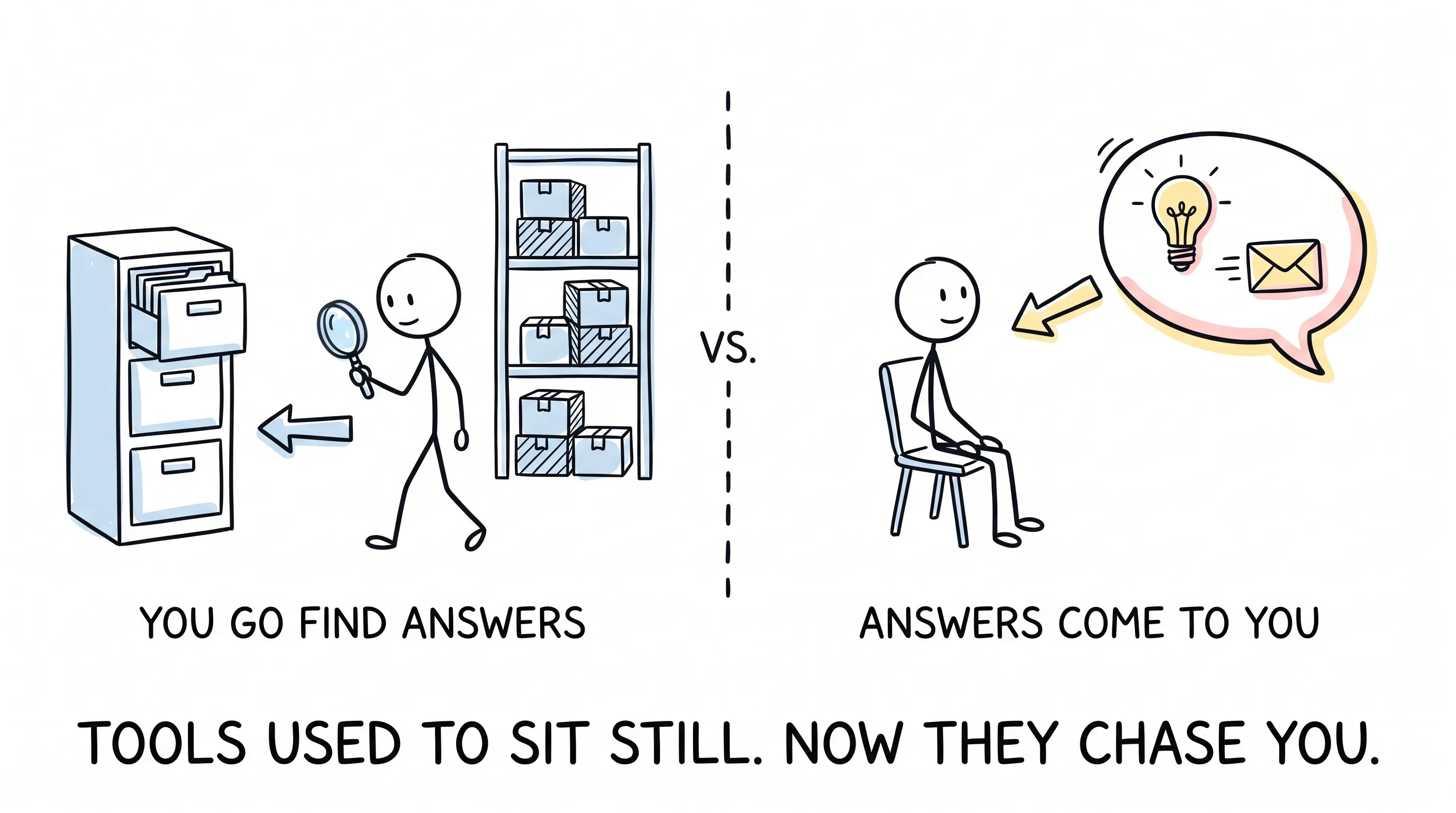
To put it bluntly, it used to be you going into the system to look for answers. Now the answers come to you.
Anthropic has been moving too. Its Field CTO Eric Burns explained in a blog post that this plugin brings Amazon's data insights into Claude, sitting alongside the existing connections to accounting data and supplier data. For sellers, the Amazon business becomes just one of many data sources inside Claude.
The foundation: one shared brain
There's one more technical detail worth mentioning.
Seller Assistant runs on Amazon Bedrock, powered underneath by Anthropic's Claude models. This product was honed jointly by Amazon, AWS, and Anthropic. In other words, whether you use it in Amazon's interface or inside Claude, the same AI is behind it. Same language, same understanding, and the memory doesn't break just because you switched entry points.
On data security, Amazon's stance is crisp: the data stays inside Amazon's own infrastructure. It never leaves home.
What does this tell us?
My read: the next evolution of business tools isn't building a smarter back office — it's giving the business itself a voice, one that can actually hold a conversation.
Back offices are built for people: you have to go find the data. AI assistants flip it around — data finds you, opportunities find you. You're chatting with a supplier in Claude, and it casually tells you: one of your products is being watched by a competitor; consider another round of ads.
Oh, and back to that 90%. If nine out of ten sellers are already used to making decisions with Claude models, then what Amazon is really doing this time is moving the scene of decision-making to where the decisions actually happen.
Until now, tools sat still and people moved. Now, the tools have started chasing people.
Here's hoping that one day soon, in your own chat window, you get to watch your business speak up for itself.
Continue reading
Related articles

Cross-Border Business: Time to Upgrade Your AI Toolbox
A learn article explaining how AI tools help cross-border e-commerce sellers clear five hurdles: language, regulation, logistics, payments, and fraud. It outlines a five-compartment toolbox, a five-step adoption path, and metrics such as conversion rate and CLV, while cautioning against over-reliance on AI.

AI Is Taking Over the Dirty Work of Social Media Marketing, One Task at a Time
This learn article outlines four social media marketing tasks AI can handle — audience analytics, content drafting and design, ad targeting and creative testing, and spam moderation — and cautions that taste, judgment, and data security remain human responsibilities.

AI Is Already This Good — Why Is Your Social Media Marketing Still Pure Manpower?
An overview of 18 AI tools for social media marketing, organized into six categories covering audience research, content creation, scheduling, comment and DM handling, ad management, and visual production, plus notes on personalization, prediction, and emerging trends.