AI Can Do Your Compliance Work, but It Can't Sign Off for You
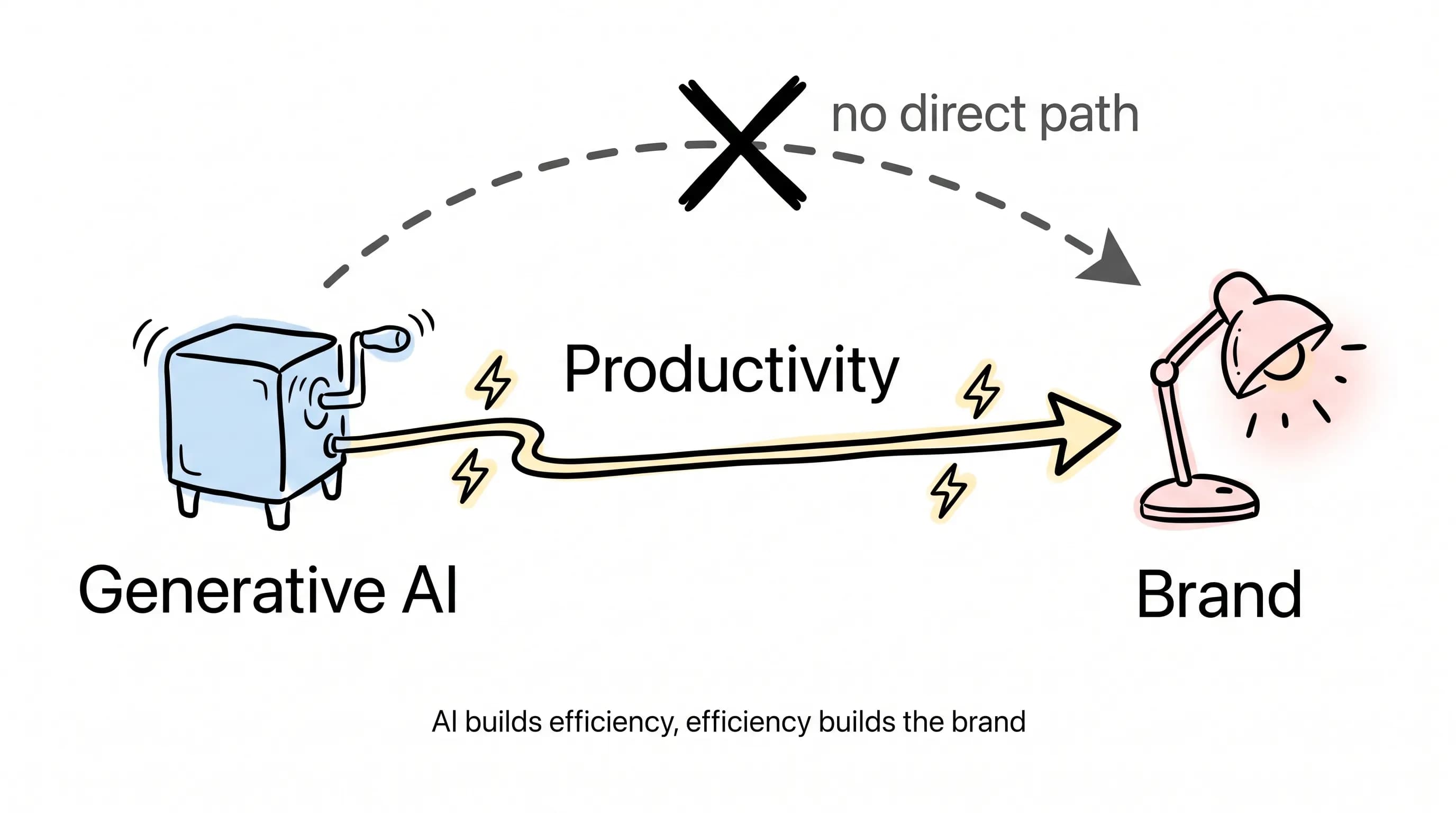
A while back, a friend of mine in fintech invited me to dinner. At the table he vented: half of what his marketing department ships these days is written by AI.

Marketing domains
Practical guides, tutorials, case studies, and YouTube-backed lessons. Some deep content requires a subscription.
1742 items
A while back, a friend of mine in fintech invited me to dinner. At the table he vented: half of what his marketing department ships these days is written by AI.

Marketing domains

An article on AI marketing compliance risks, covering GDPR, CCPA, the EU AI Act, CAN-SPAM, and brand safety, with common failure modes, vendor accountability, and a ten-step quarterly checklist.

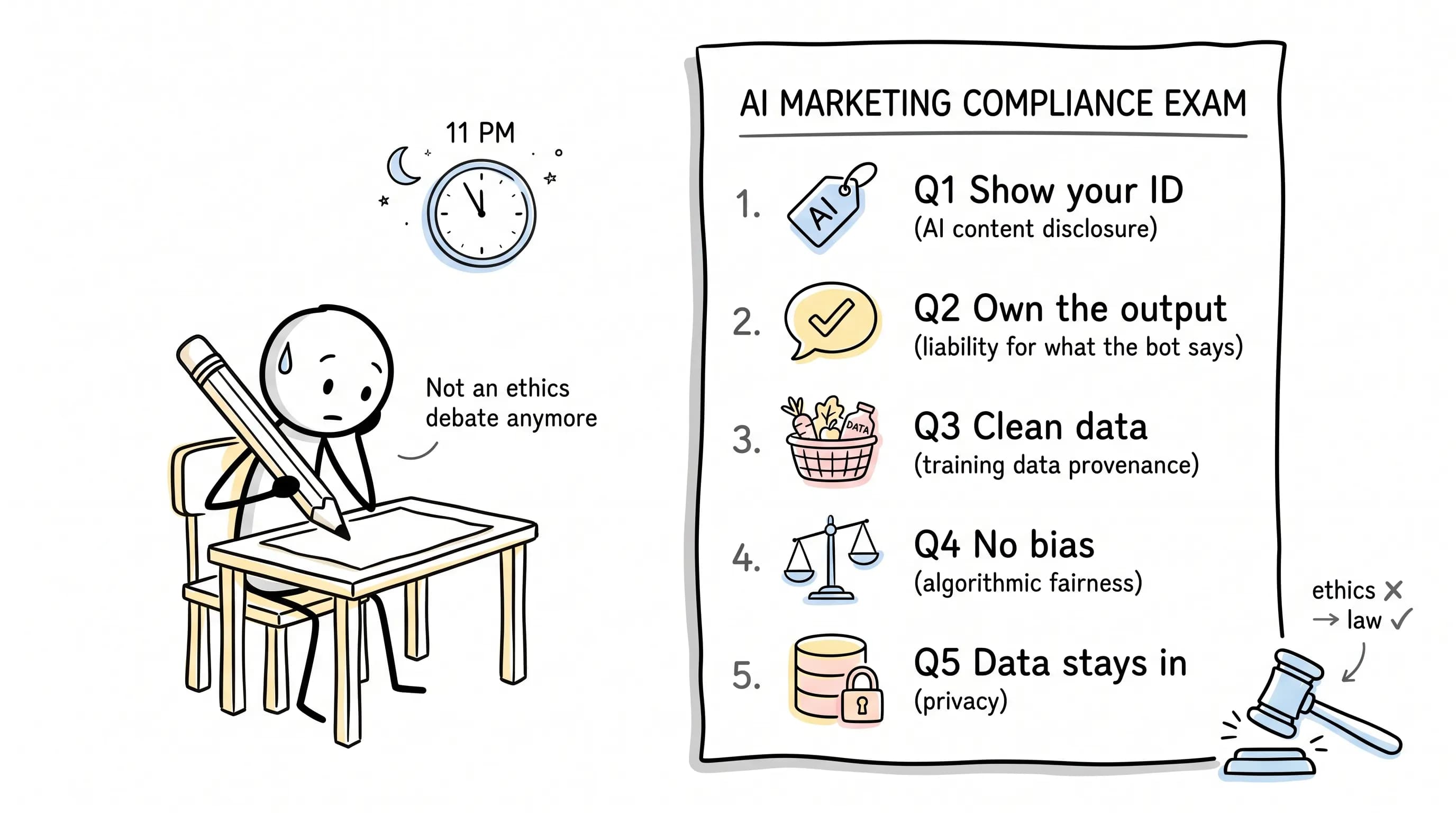
An article explaining how new AI regulations like the EU AI Act and California SB 942 turn AI marketing from an ethics topic into a legal obligation, covering content labeling, hallucination liability, training data, and ad algorithm audits.

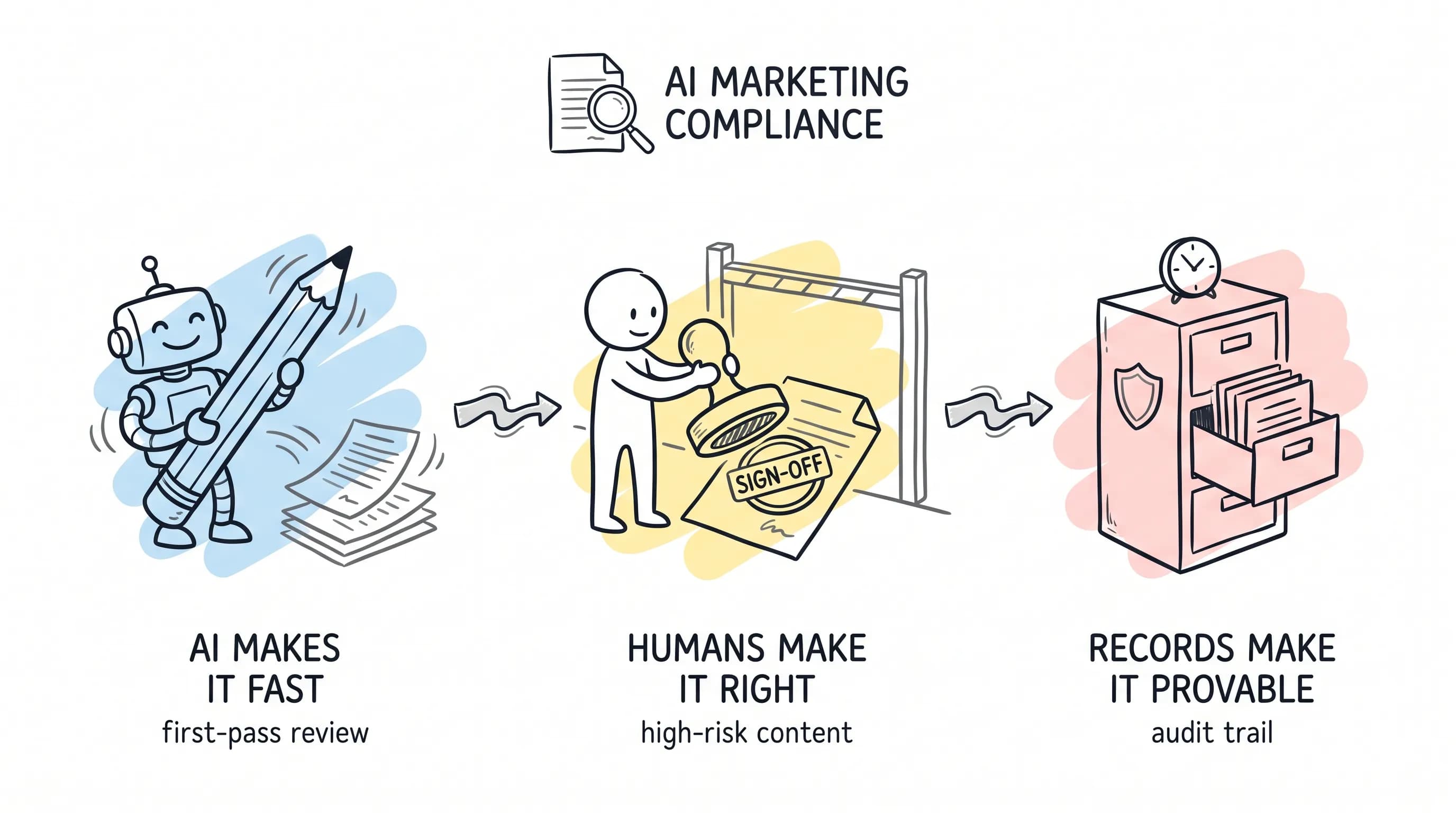
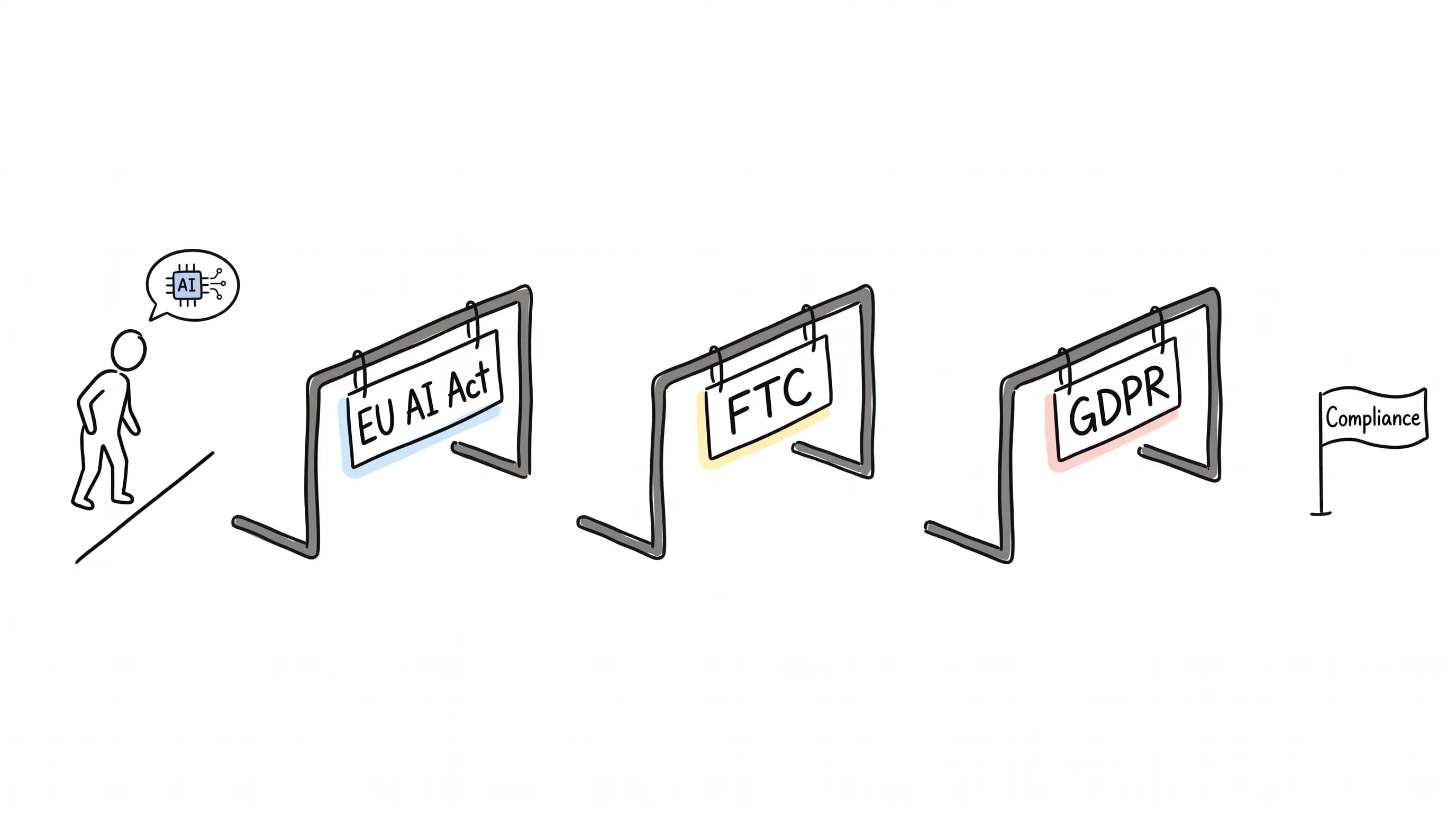
A guide to three compliance hurdles for AI marketing: EU AI Act transparency and watermark rules, FTC enforcement treating AI-generated reviews and undisclosed AI avatars as deception, and GDPR risks when customer data is fed into free AI tools, plus a pre-publish checklist.

A while back, I had dinner with a friend who works in brand marketing. He said something that has stuck with me ever since.

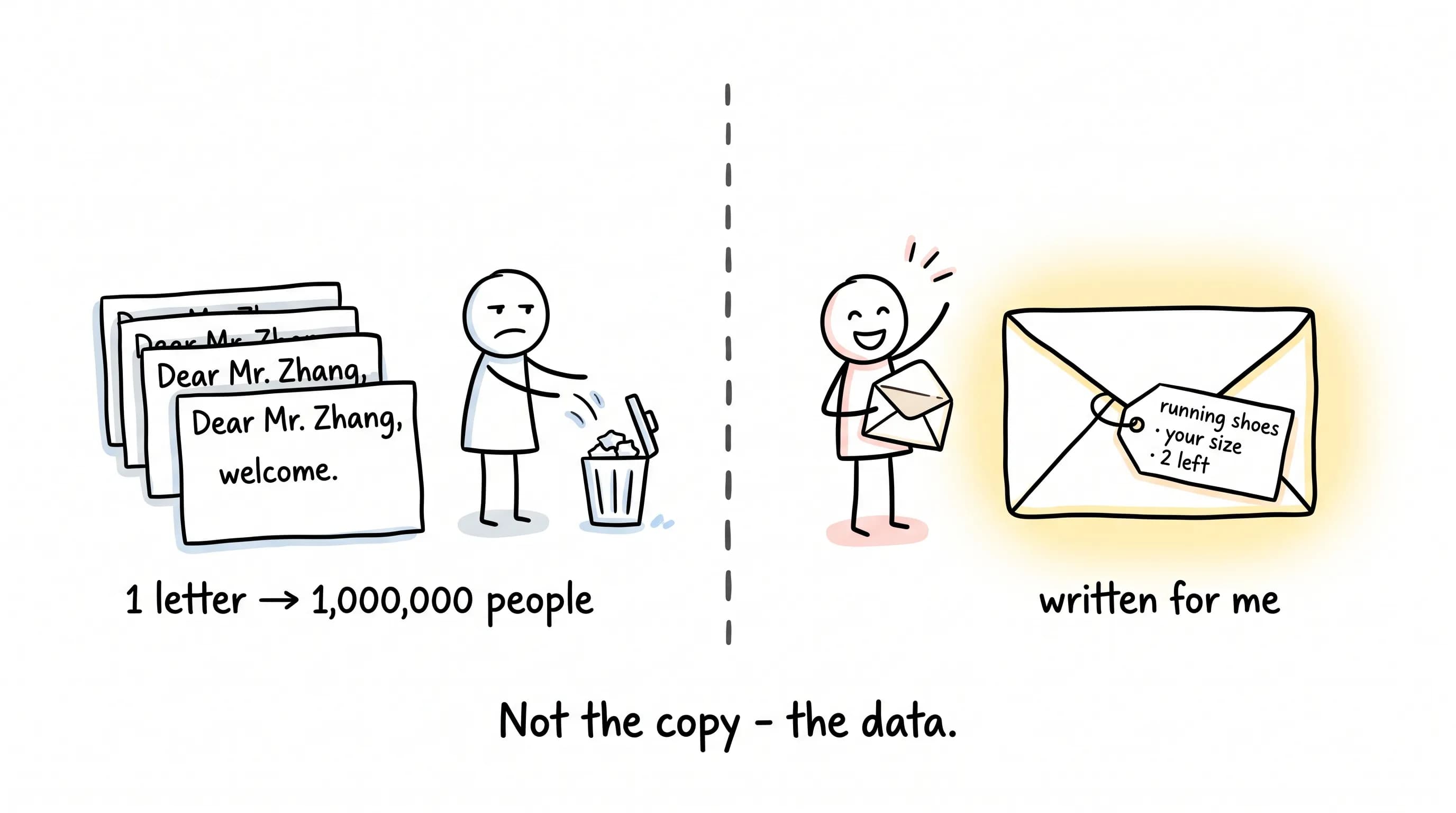
A learn article on hyper-personalization in email marketing, explaining how AI and CRM data enable individually tailored emails, predictive recommendations, and send-time optimization, with clean data, GDPR compliance, and personalization limits framed as prerequisites.

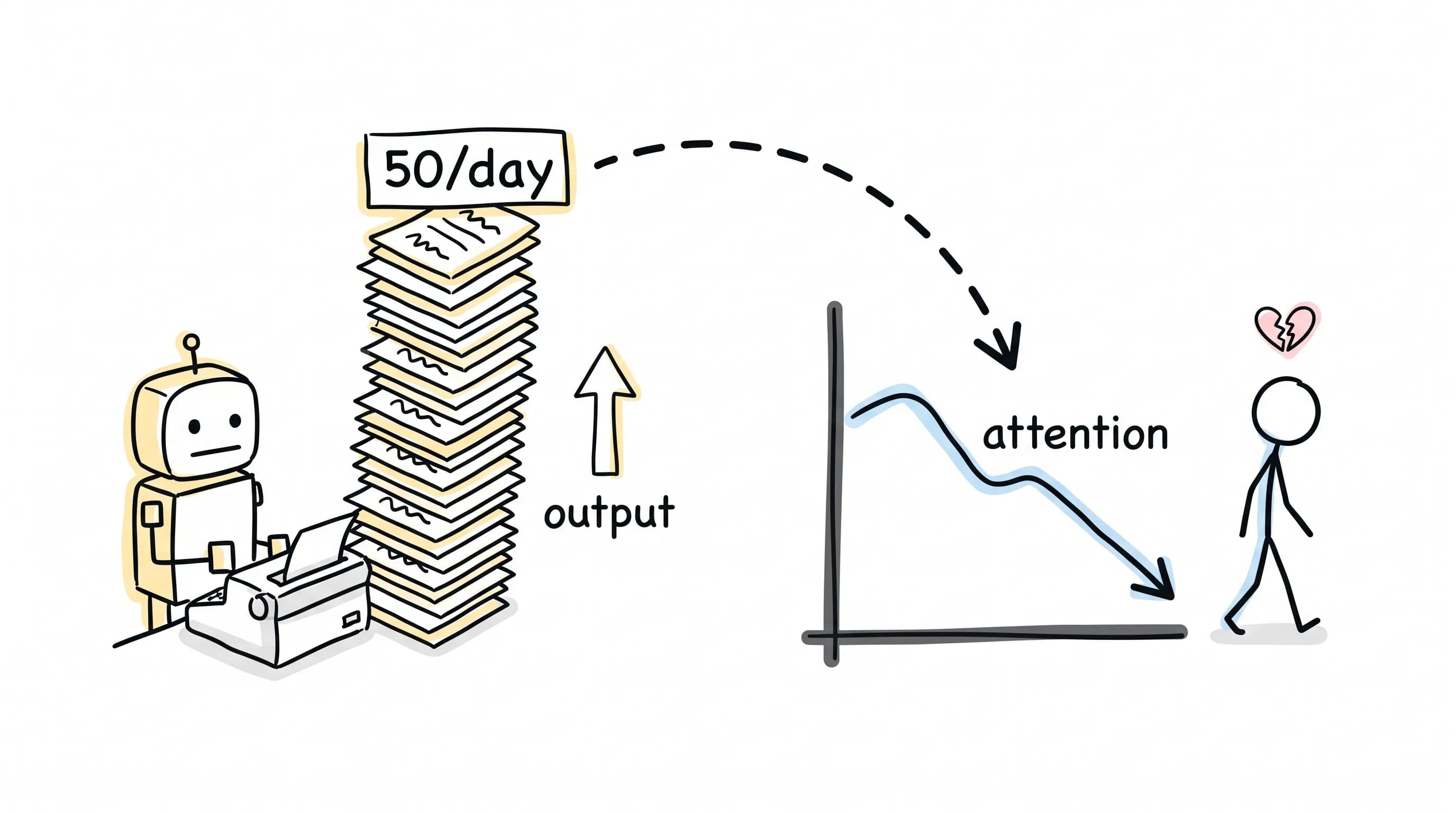
A learn article on the trade-offs of mass-producing marketing content with generative AI, weighing speed, cost, and personalization gains against quality, ethics, misinformation, and diminishing content value, and arguing for a human-in-the-loop workflow where AI drafts and humans judge.

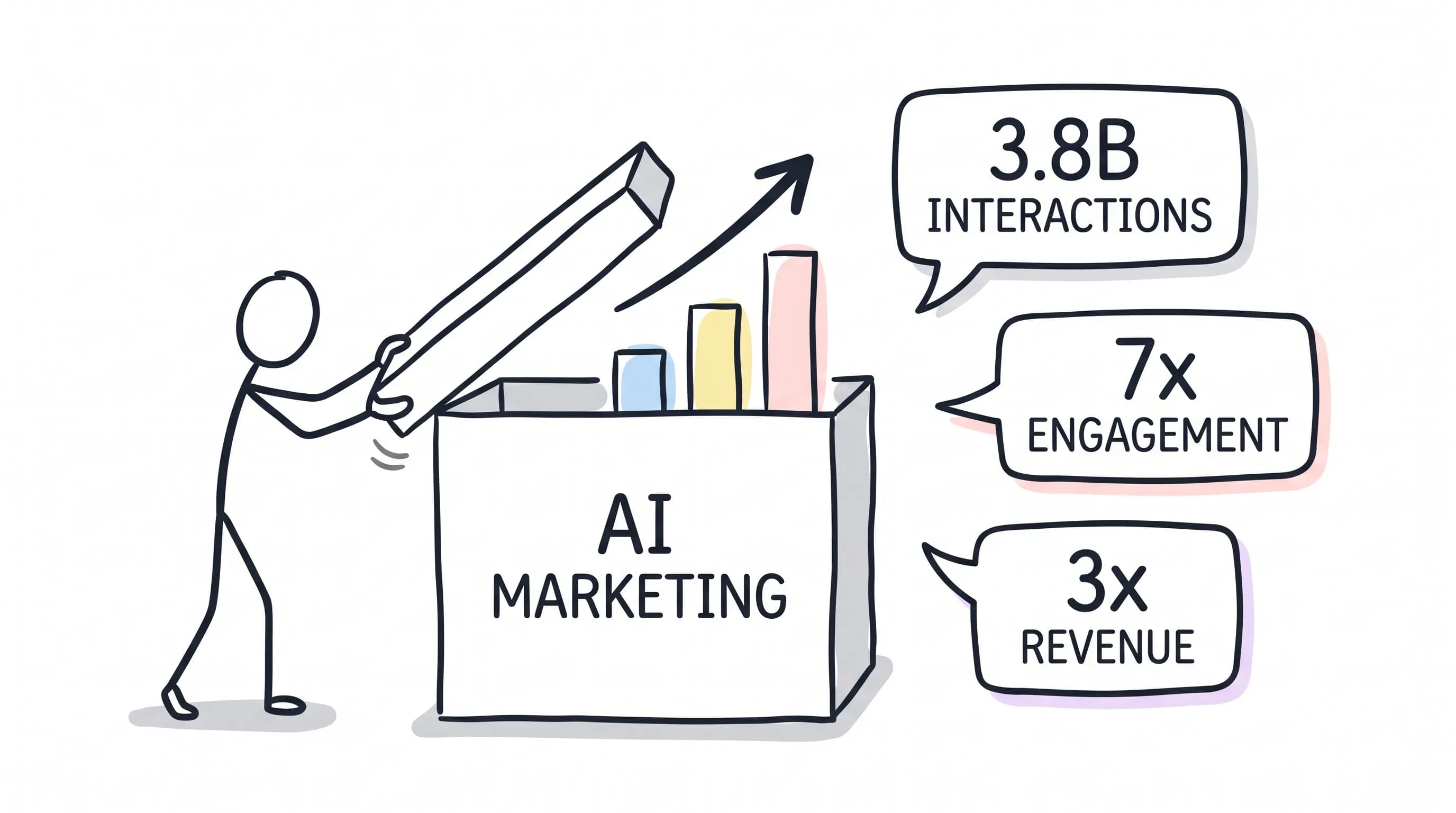
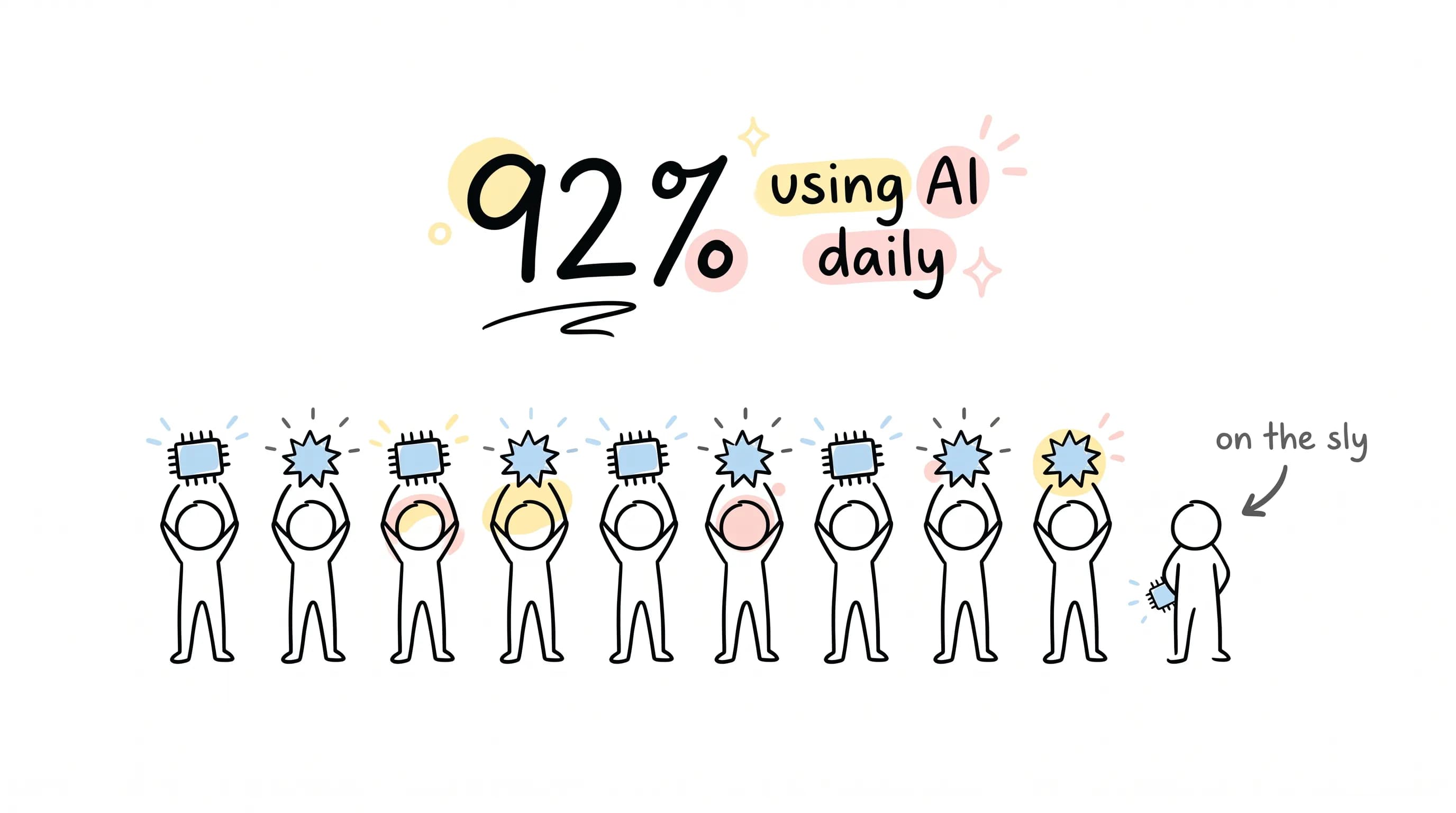
A learn article walking through 20 industry statistics on AI in branding and marketing, covering adoption rates, efficiency gains, performance gaps between AI-using and non-AI brands, AI versus human copywriting, market spending, and emerging AI marketing roles.

A guide to nine B2B SaaS marketing automation tools grouped by five pain points, covering attribution, marketing-sales alignment, website conversion, content, and campaign optimization.

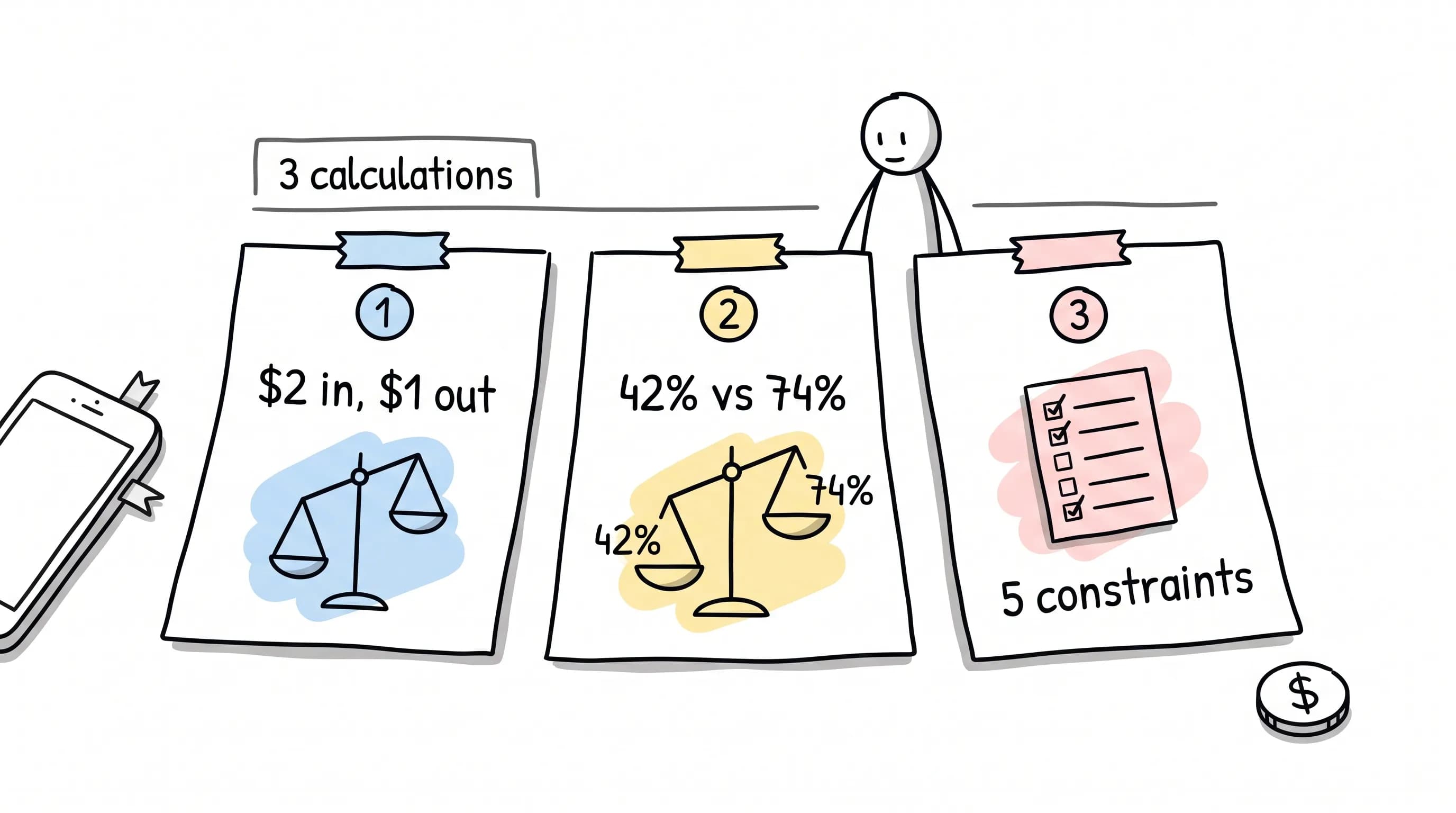
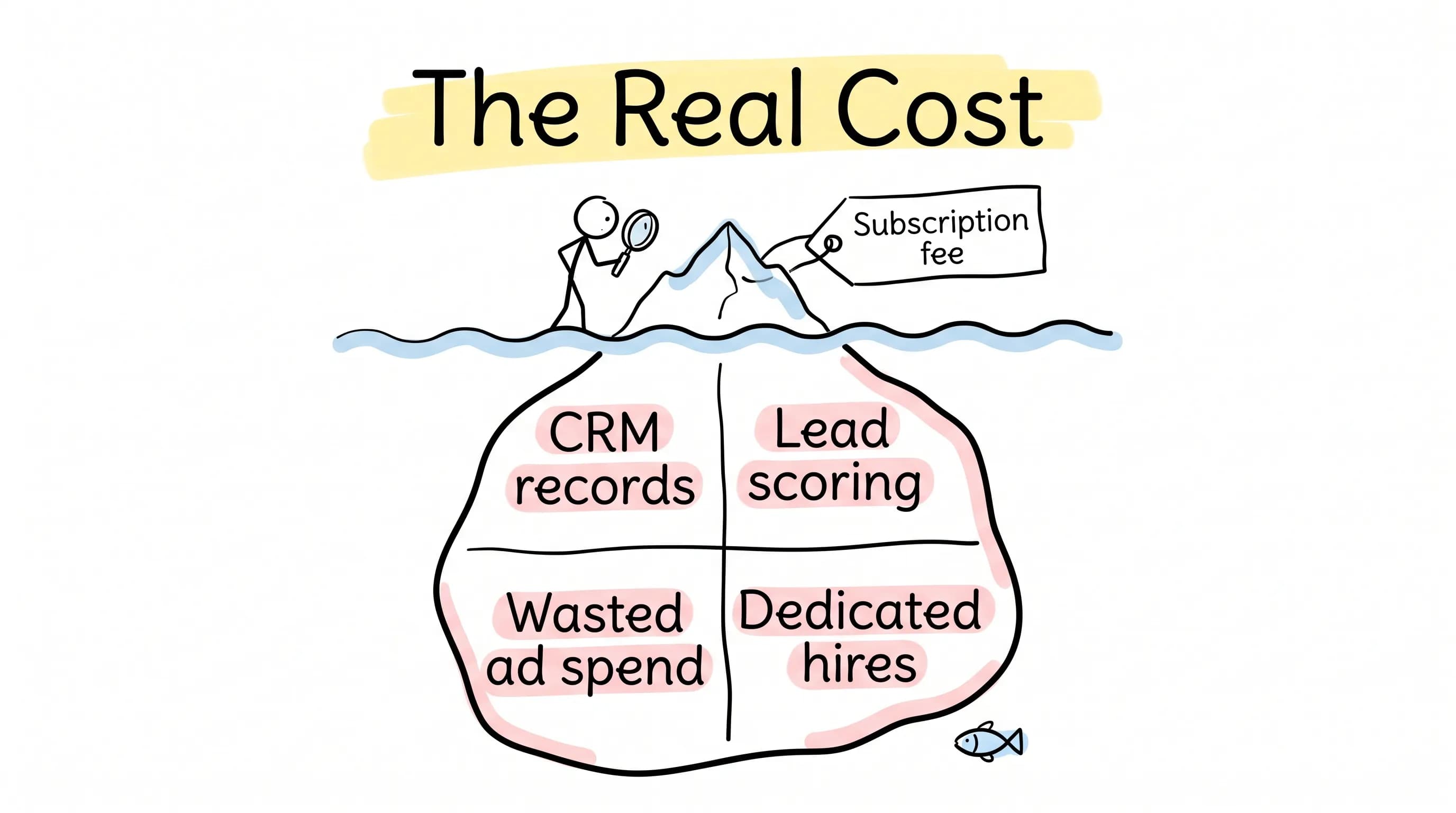
A guide for B2B SaaS teams on choosing AI marketing tools: it walks through rising acquisition costs, AI adoption realities, and five marketing constraints, then compares ten mainstream tools across content creation, lead capture, data enrichment, and all-in-one platforms, with stack recommendations by ARR stage.
A guide to Meta ads automation tools, comparing rule-based, AI-assisted, fully autonomous, and hybrid approaches, with budget-based recommendations and a review of 15 platforms including Revealbot, Madgicx, Smartly.io, and WASK.

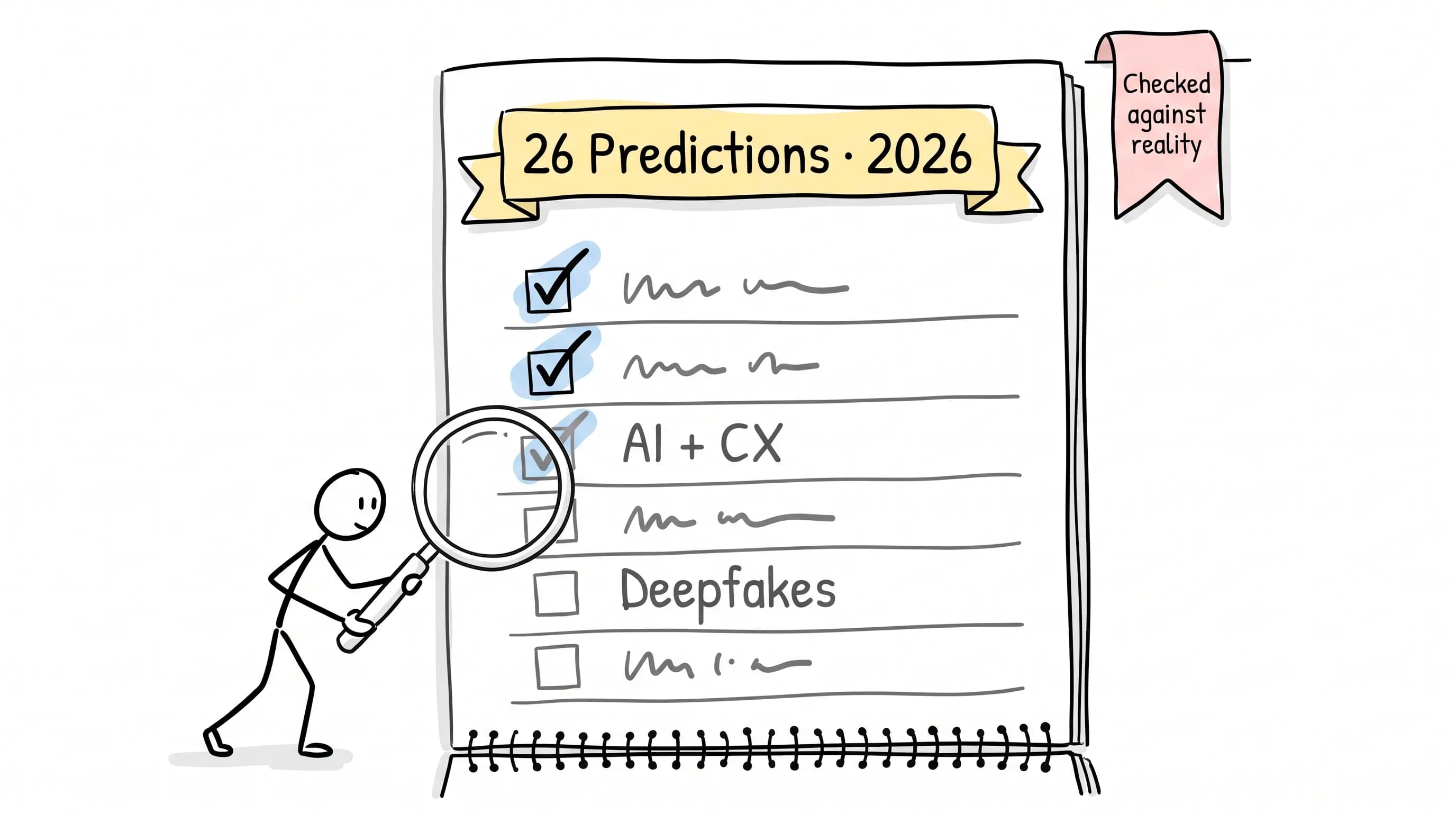
A retrospective that checks 26 AI predictions for 2026 against observed reality, covering hyper-personalized customer experience, AI skills in hiring, compressed innovation cycles, AI-assisted executive decisions, and the trust, governance, and regulation risks of careless AI use.

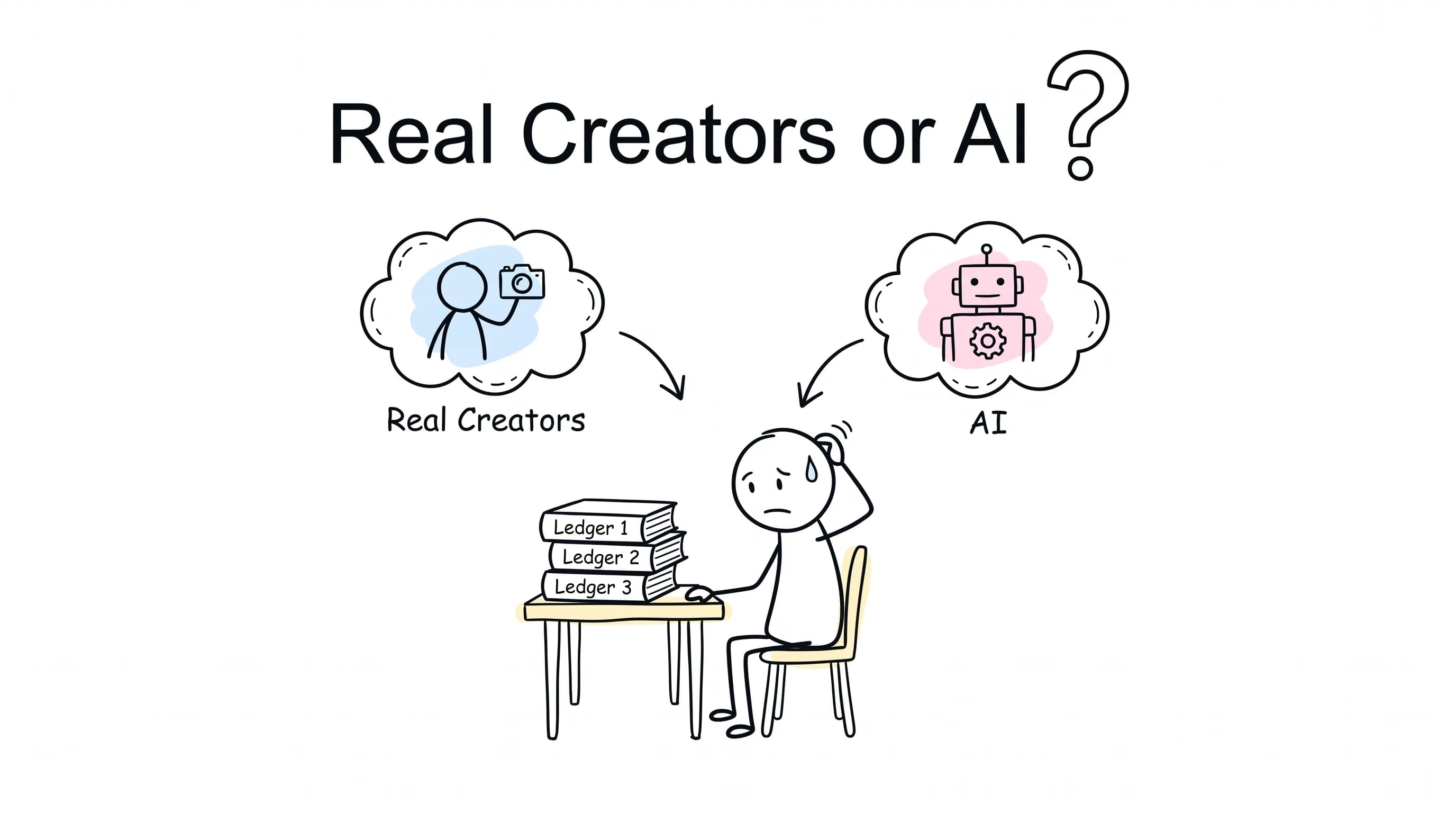
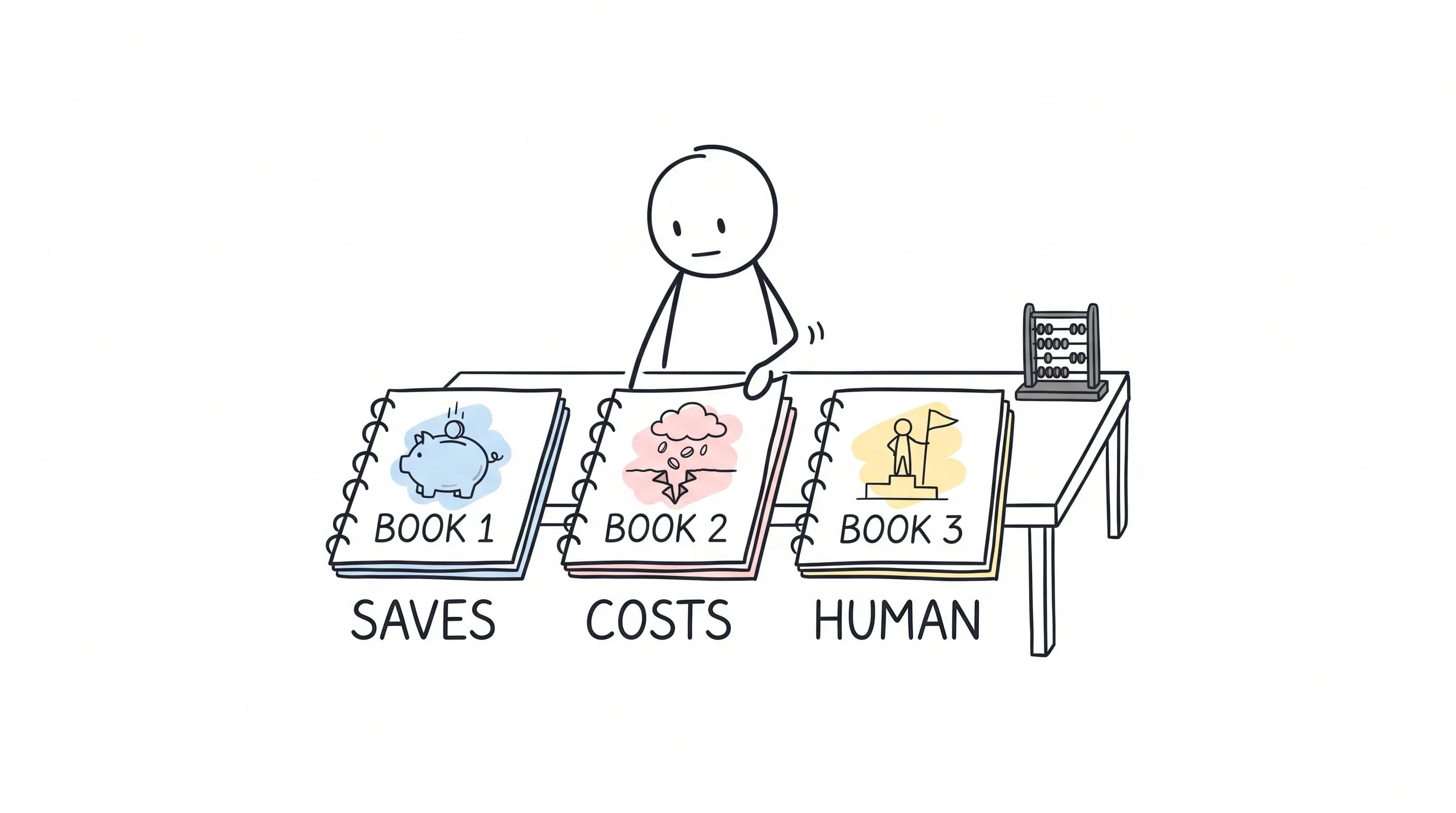
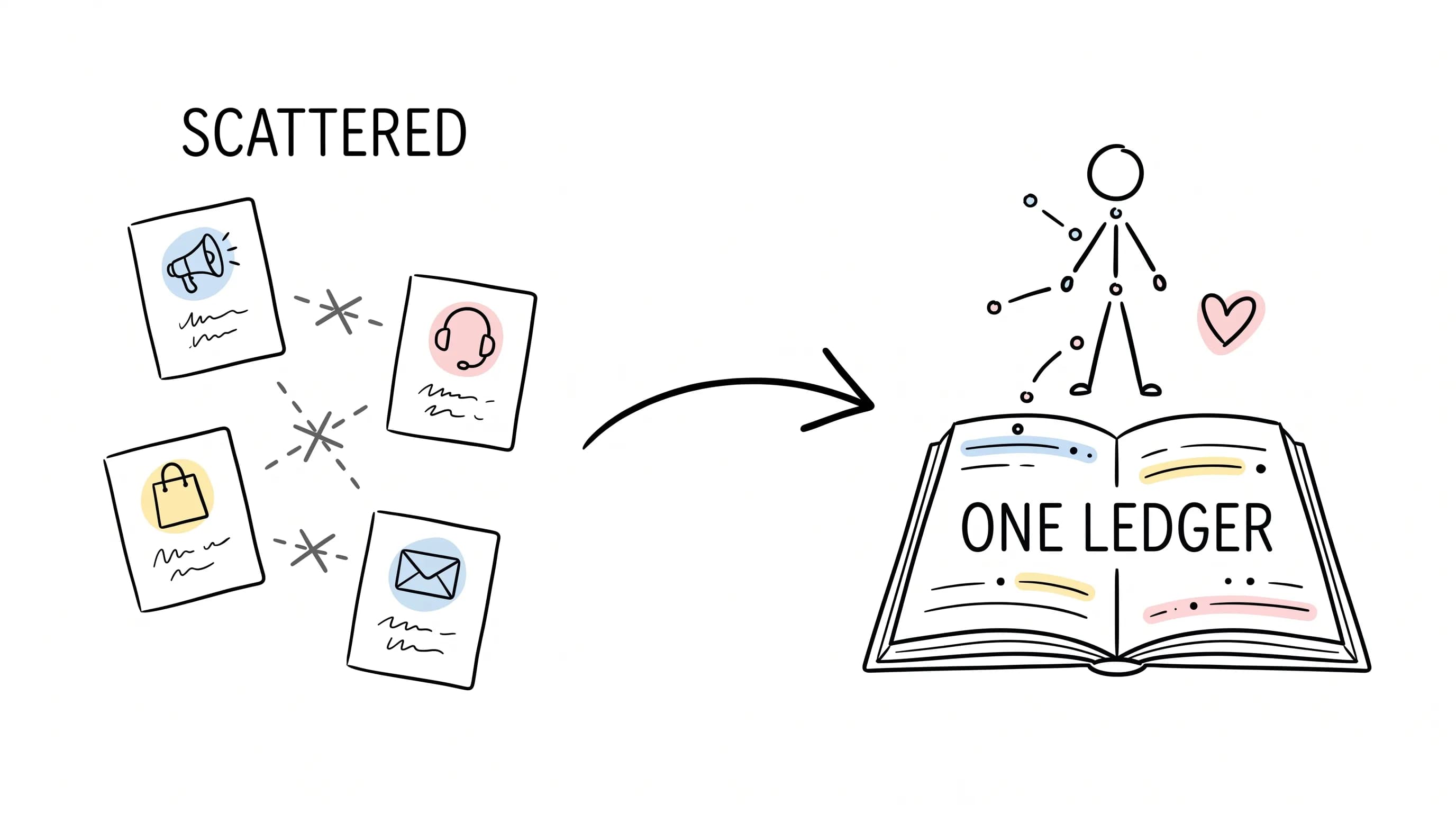
A learn article comparing real creators (UGC) with AI-generated content (AIGC) for e-commerce, weighing market size, engagement, and true cost across three ledgers, and concluding that brands should divide labor: trust to real people, efficiency to AI.

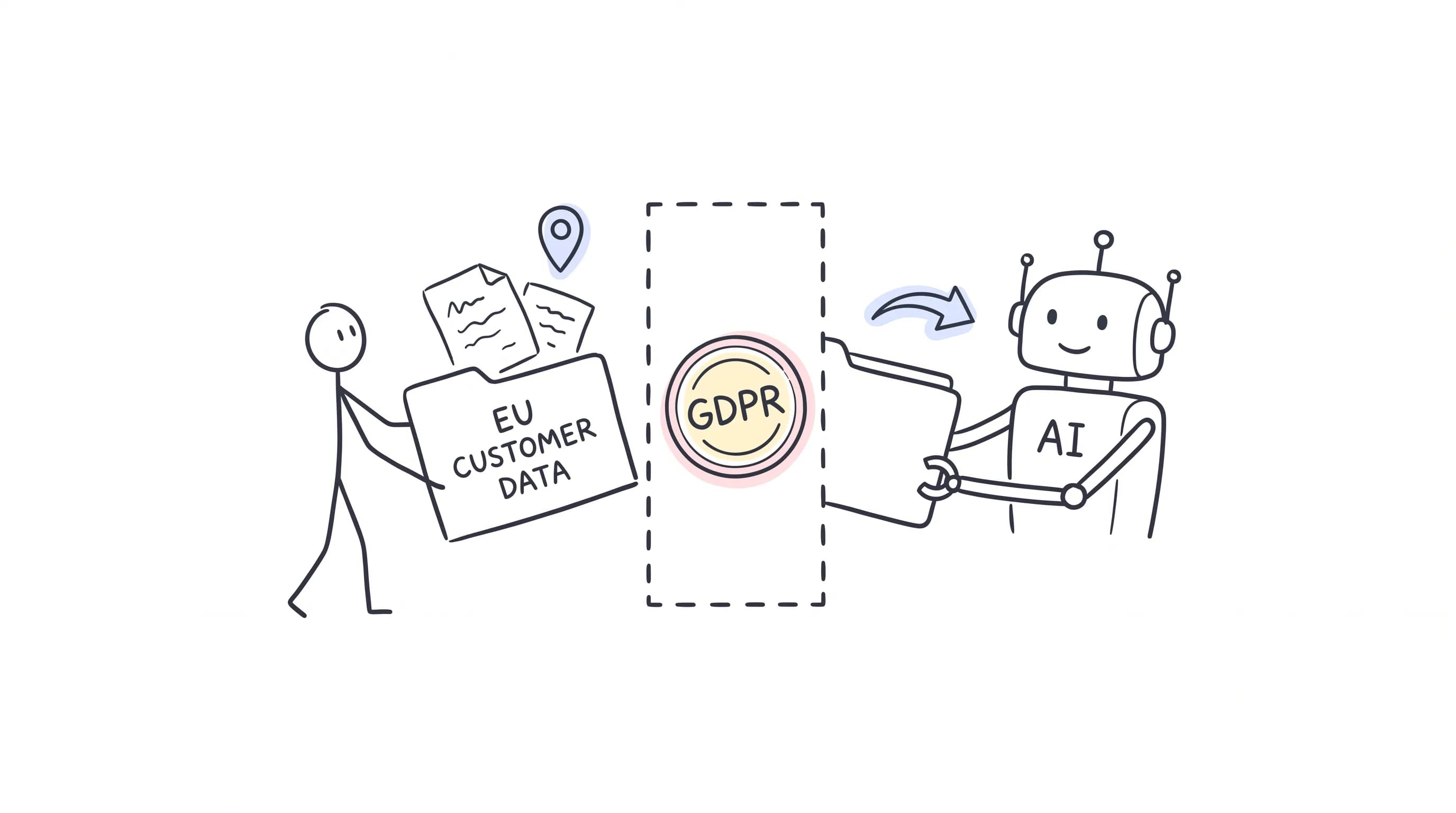
A guide to GDPR compliance when using AI in cross-border e-commerce, covering the EU's data protection rules, the AI Act and related regulations, six compliance principles, cross-border data transfer requirements, and practical implementation steps.

A hands-on review of 16 AI marketing tools for B2B teams, grouped by six bottlenecks covering AI search visibility, content scaling, buyer intent, CRM alignment, conversational forms, and integrations, with pricing and limitations noted. The author discloses ownership of AIclicks, one of the tools covered.

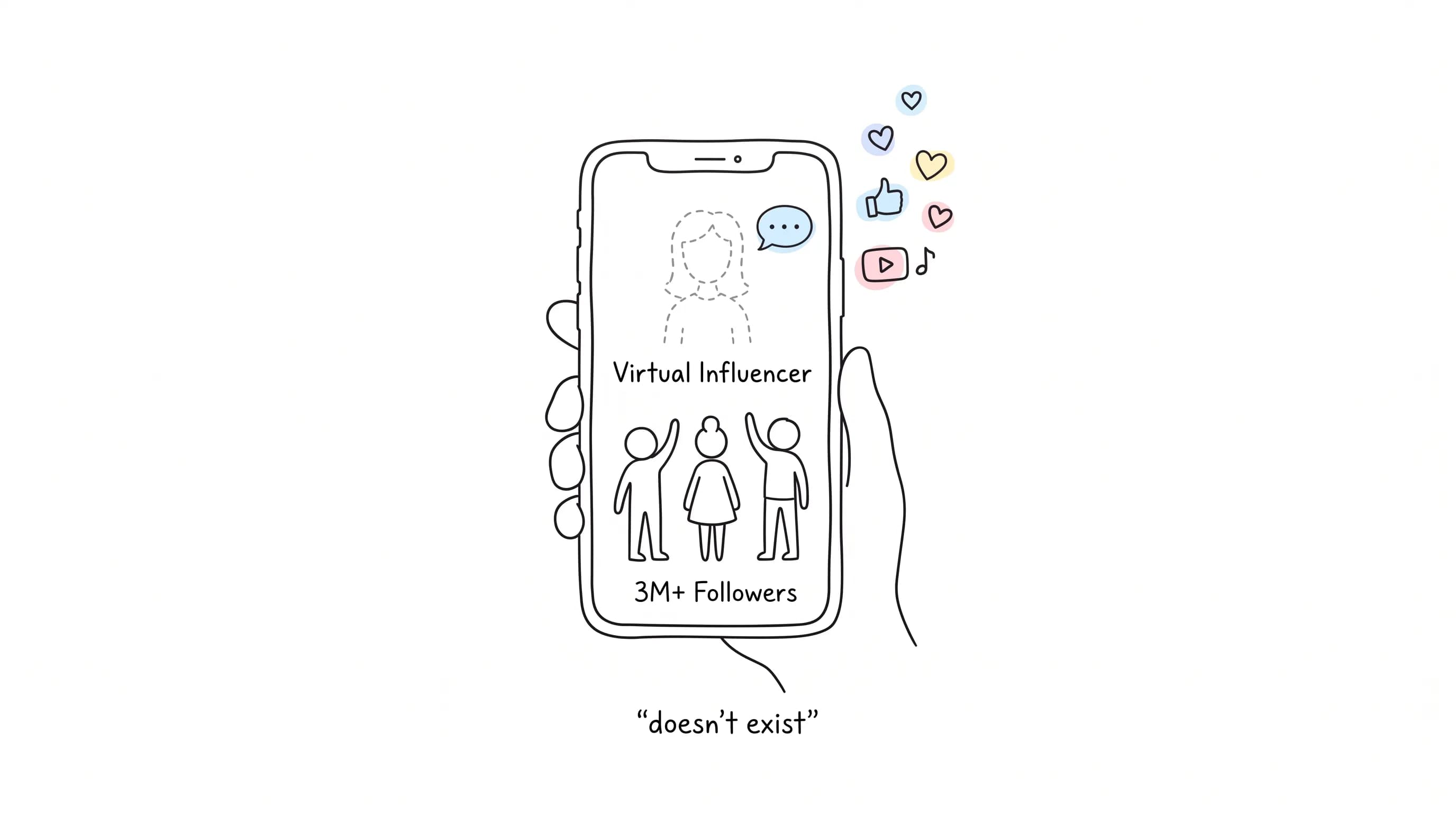
A learn article on virtual influencers like Lil Miquela and Shudu, citing 2022 research showing lower trust but equal follow intent and stronger word of mouth versus human influencers, with guidance on when brands should use each.

A while back, I had dinner with a friend.
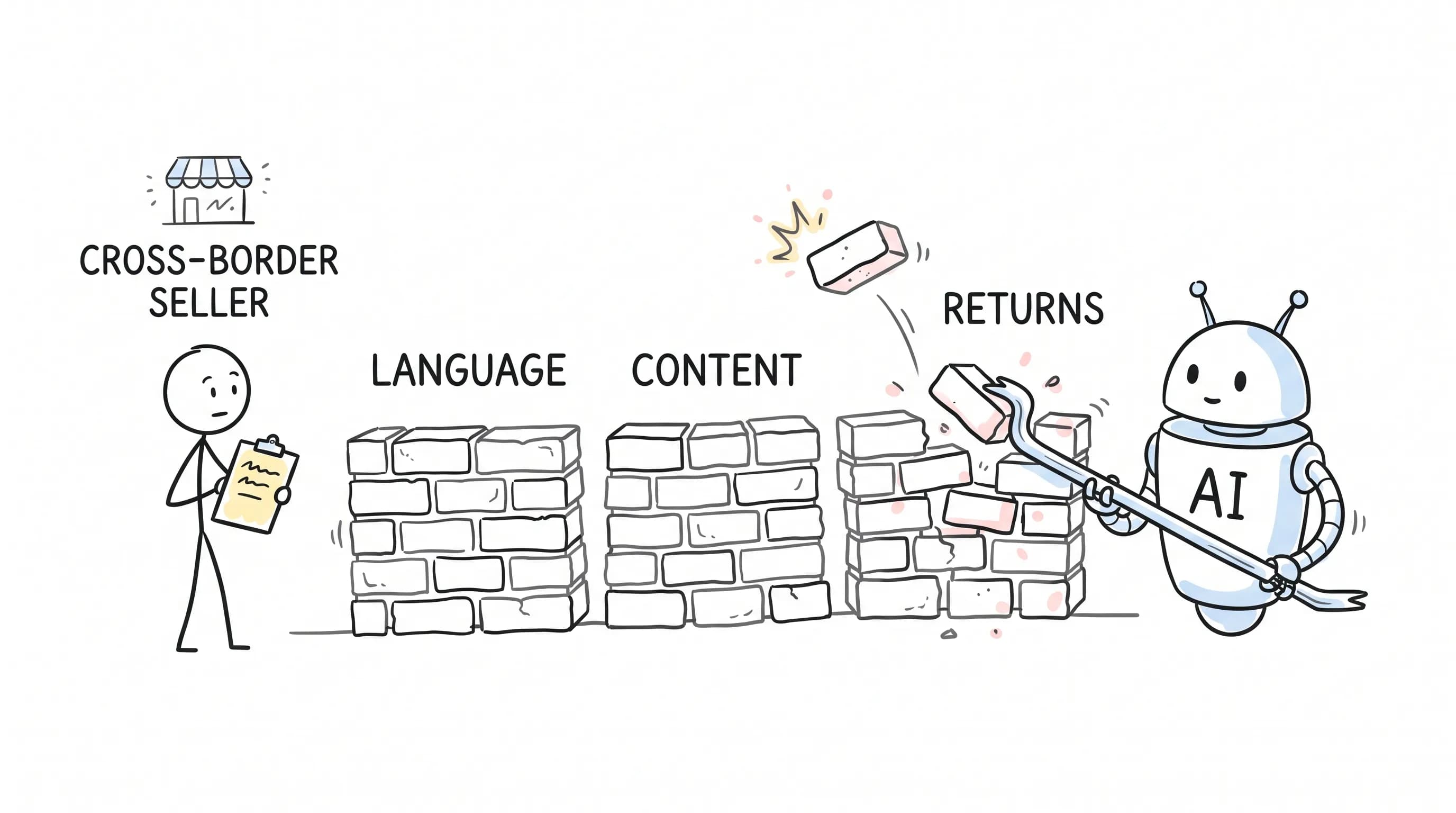
This article looks at how Alibaba's International Digital Commerce Group applies generative AI to cross-border e-commerce: real-time translation of product listings and customer Q&As, automated copy for multiple markets, and data-driven returns handling to reduce operational friction for merchants.
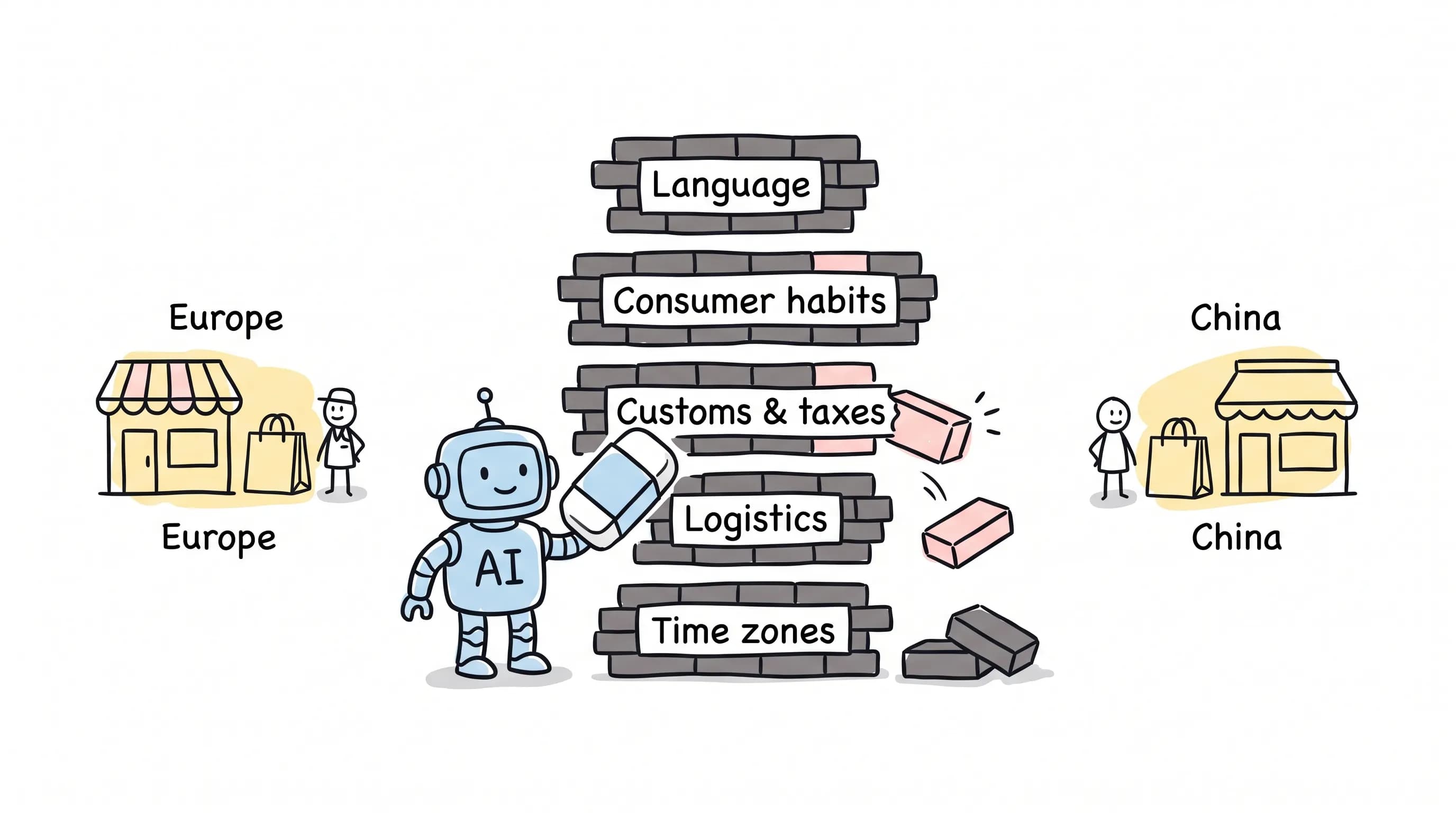
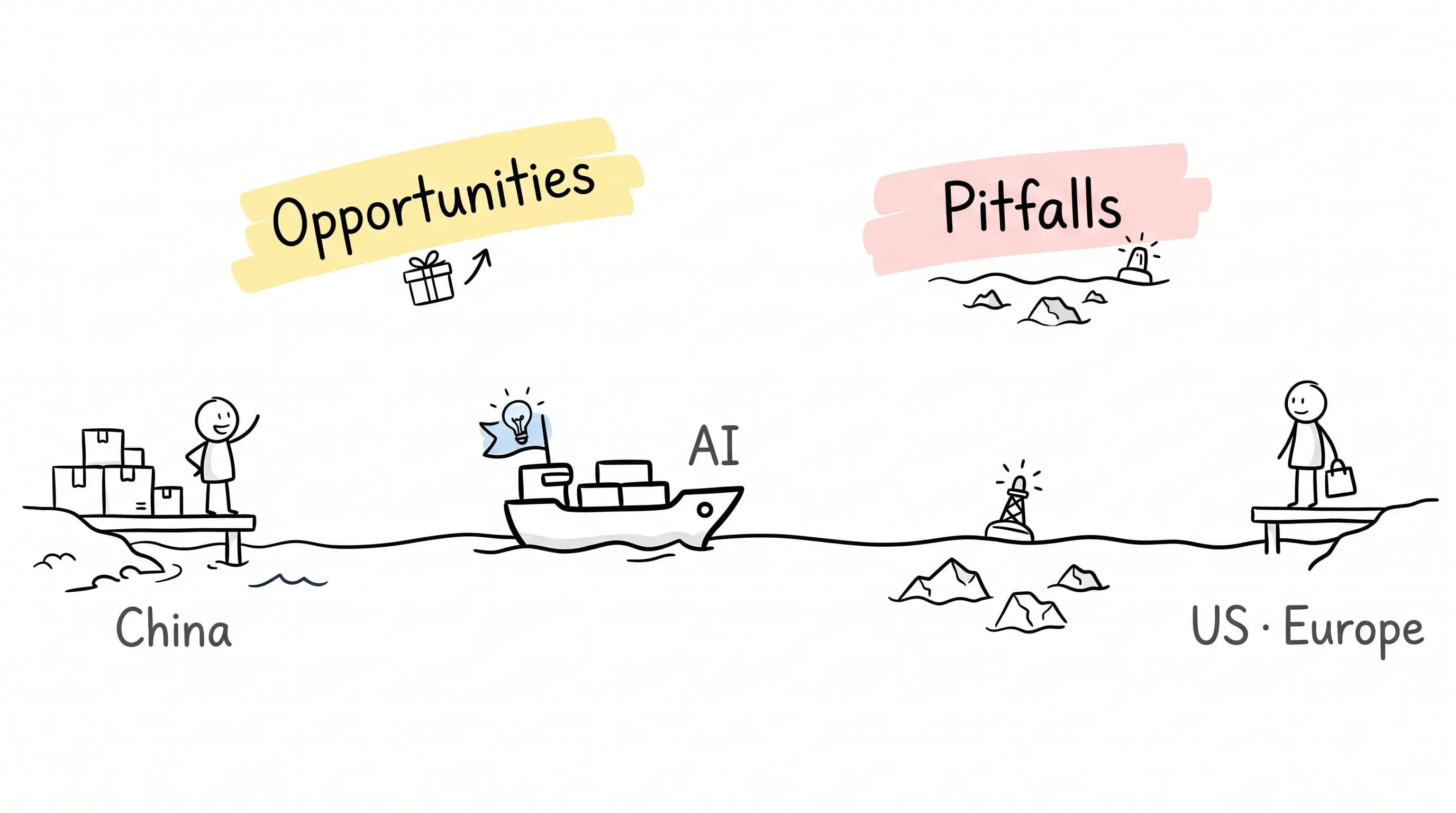
A learn article on how AI helps China–Europe cross-border sellers tackle five barriers—consumer insight, language, compliance and fraud, inventory planning, and time zones—via data analysis, real-time translation, automated compliance, demand forecasting, and 24/7 customer service.

A breakdown of seven real GenAI marketing case studies from DP6 and The Brandtech Group, covering reporting chatbots, feed optimization for Google Shopping and Amazon Ads, app review analysis, Share of Model, creative insights, batch creative production, and a RAG-based brand knowledge foundation.

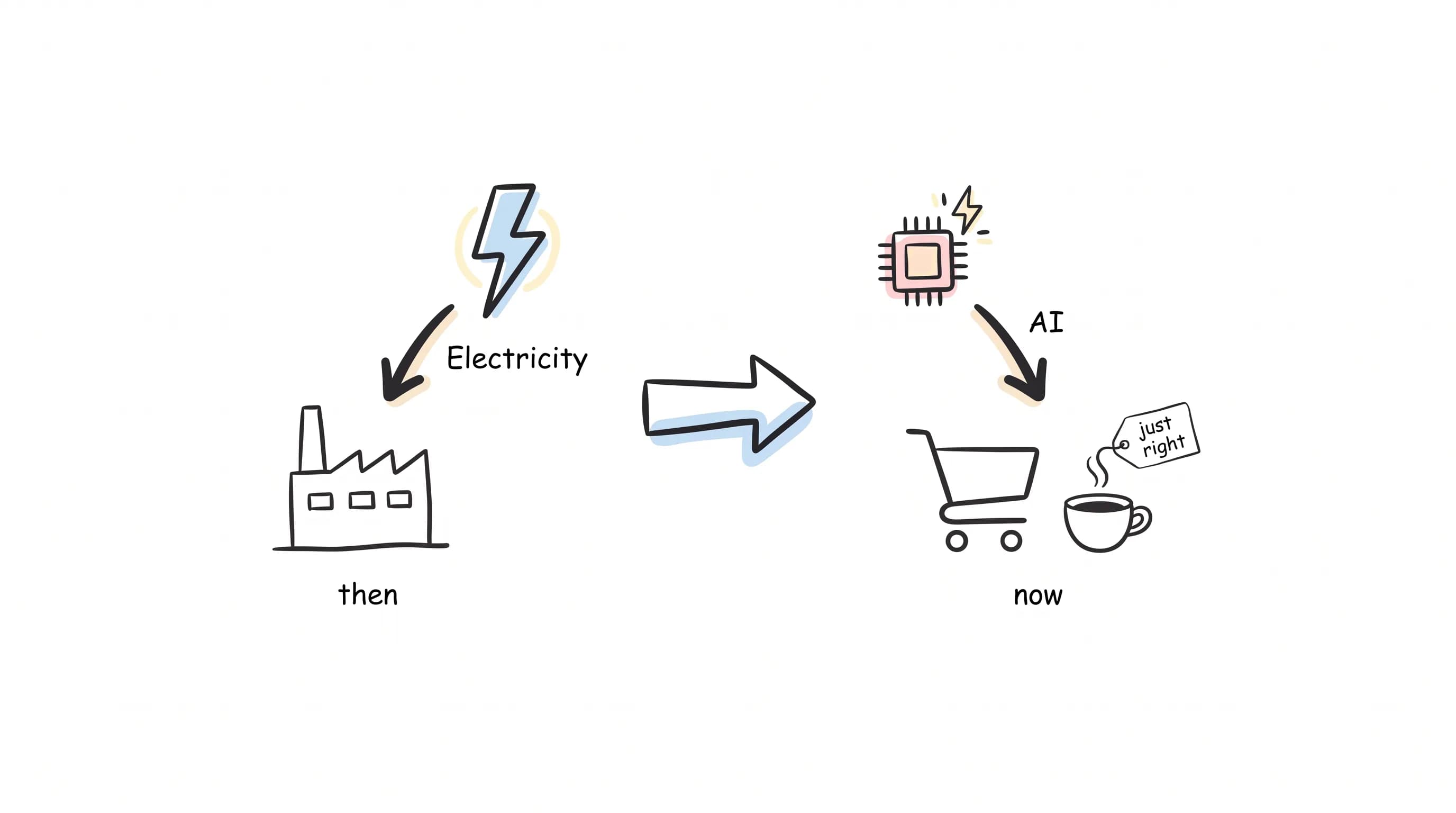
A learn article on how AI is rebuilding e-commerce, covering front-end personalization such as recommendations, chatbots, dynamic pricing and image search, back-end work like demand forecasting, fraud detection and logistics, and a HEINEKEN case on trust-first AI adoption.

A learn article reviewing research on AI in cross-border e-commerce, covering inventory forecasting, AI customer service, and ad targeting, comparing platforms such as QuickCEP, FOSHO, and Attribuly, and outlining data privacy, integration, and compliance pitfalls.

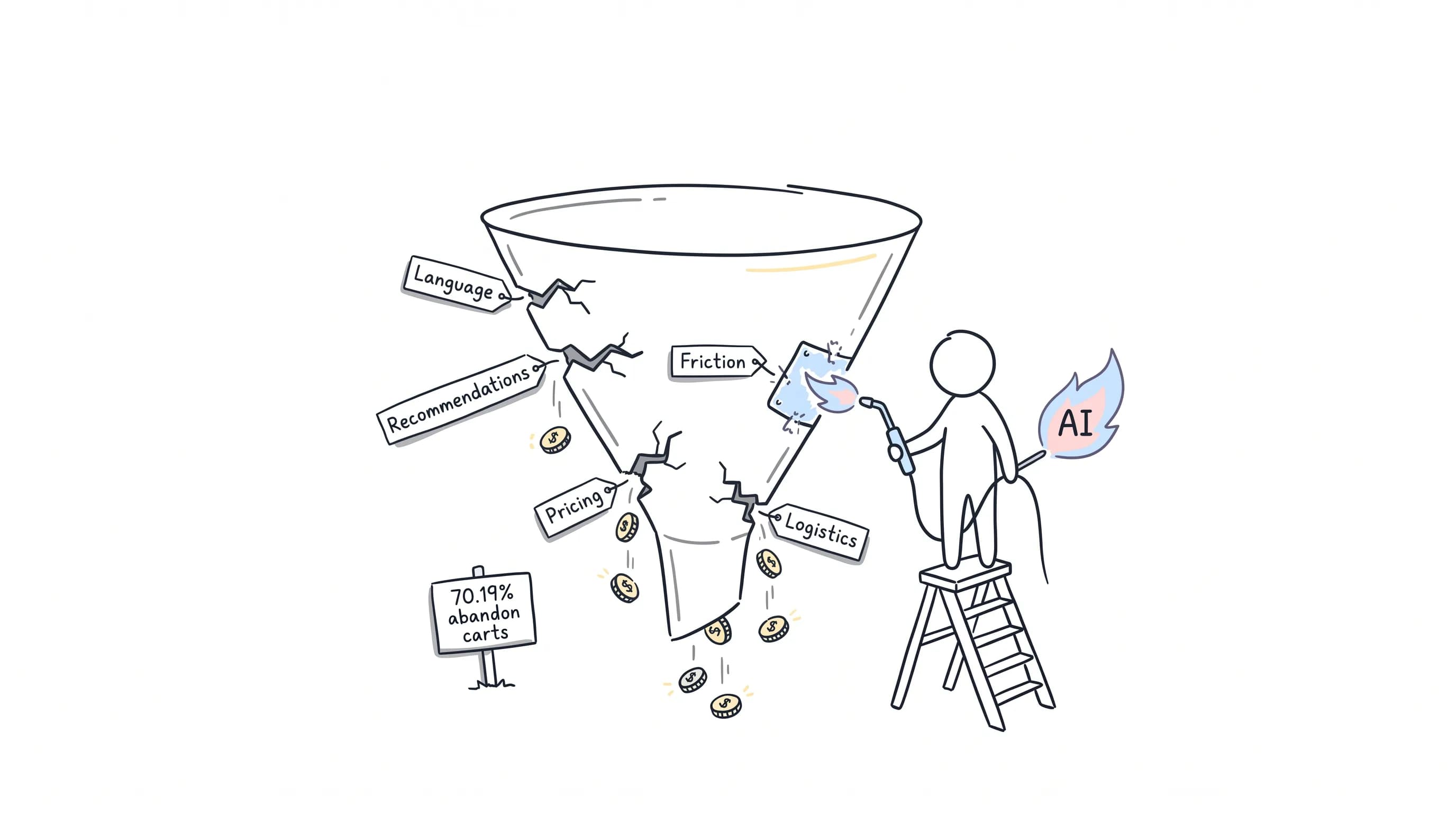
A learn piece that re-examines cross-border e-commerce through seven AI 'line items'—checkout friction, localization, recommendations, ad targeting, dynamic pricing, logistics and tariffs—citing brand cases and closing with an ideal-case first-year ROI example plus five rollout suggestions.

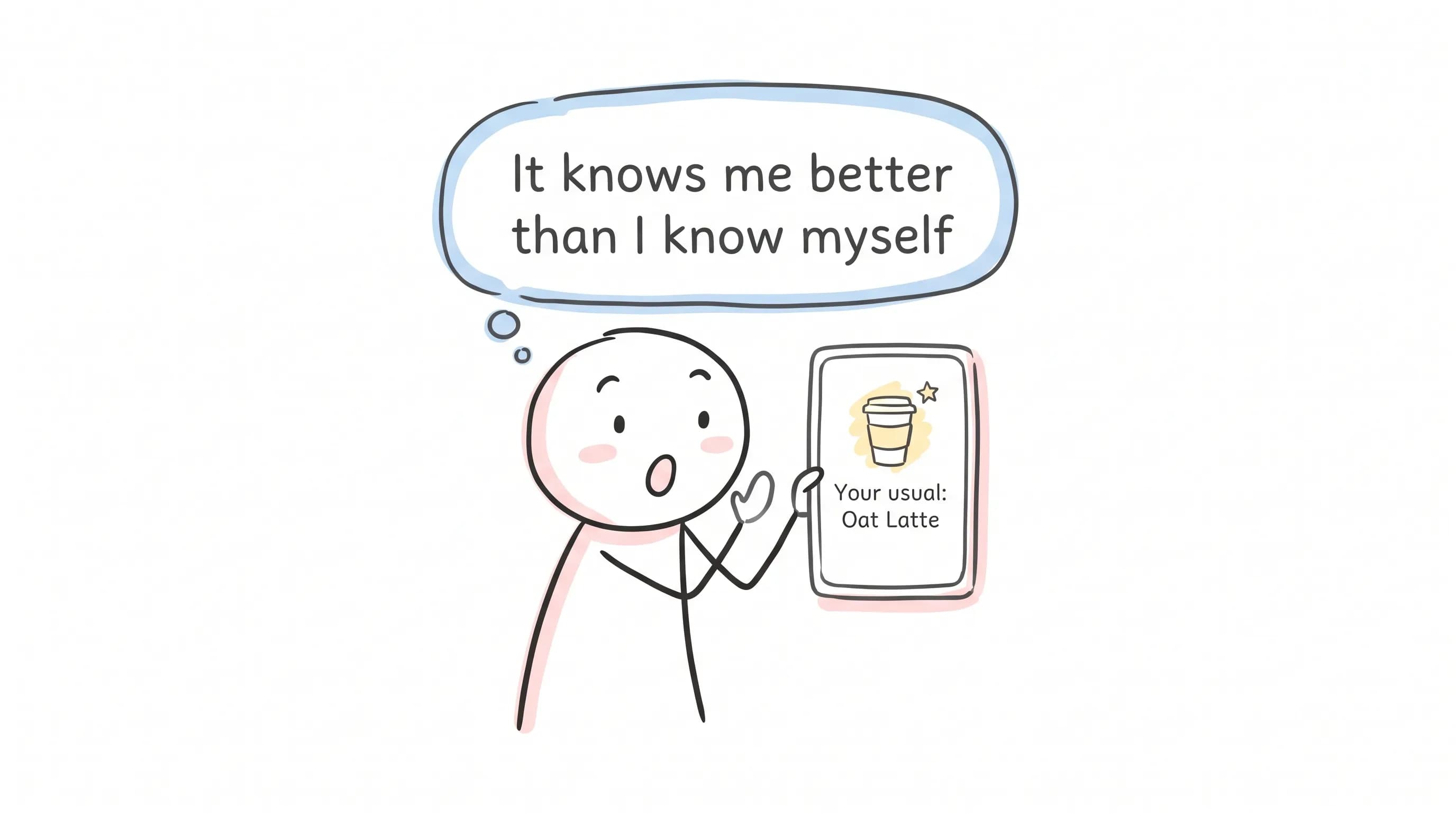
A learn article explaining AI marketing through six real-world examples — Starbucks app personalization, Sephora's AR virtual try-on, Coca-Cola's generative AI campaign, Nike's demand forecasting, and Netflix's personalized recommendations — plus a small company's low-cost AI marketing experiments.

A guide to B2B marketing automation in 2026, covering lead nurturing, lead scoring, ABM, email, content distribution, and attribution, plus platform comparisons of HubSpot, Marketo, Pardot, ActiveCampaign, and Enrich Labs' AI specialist model.

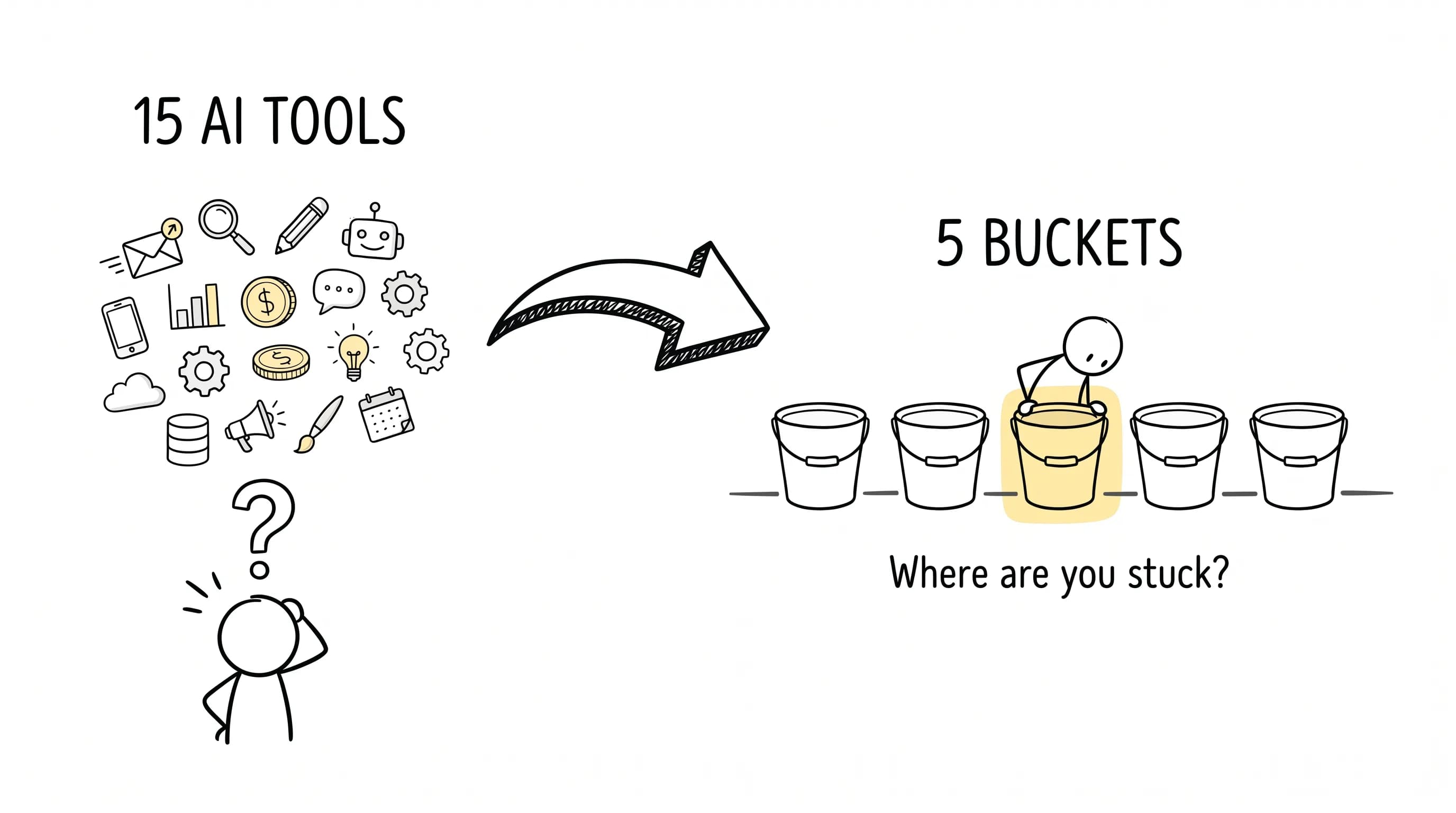
A guide that sorts 15 commonly discussed B2B marketing AI tools into five buckets: prospecting, content creation, buyer intent analysis, lead nurturing, and ad spend. It advises diagnosing the business bottleneck first, then choosing tools by stage, with a three-step rollout plan and five common pitfalls.

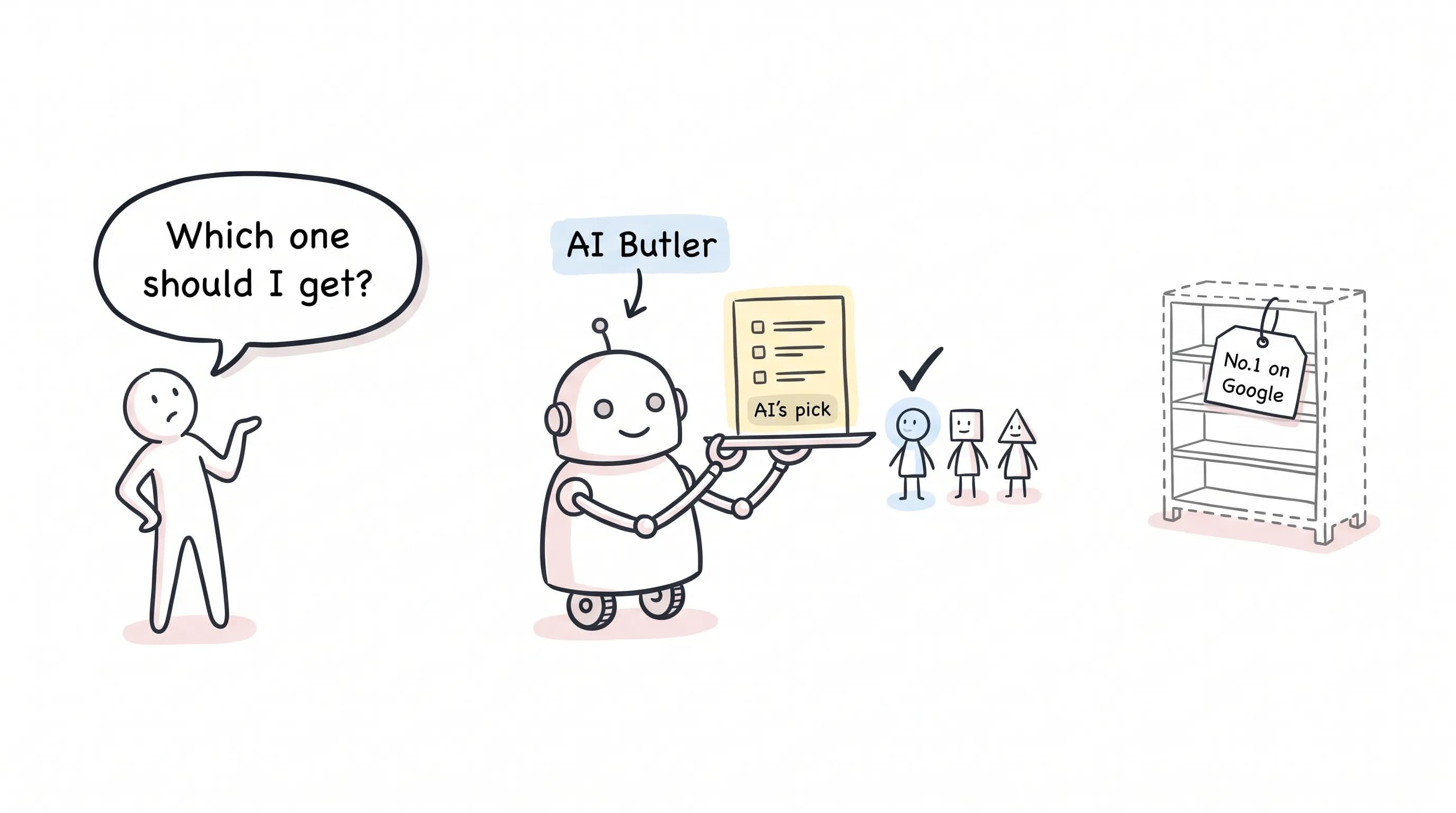
A few nights ago, past midnight, I was lying in bed scrolling TikTok. Under a travel video, I casually asked: does this hotel have a pool?

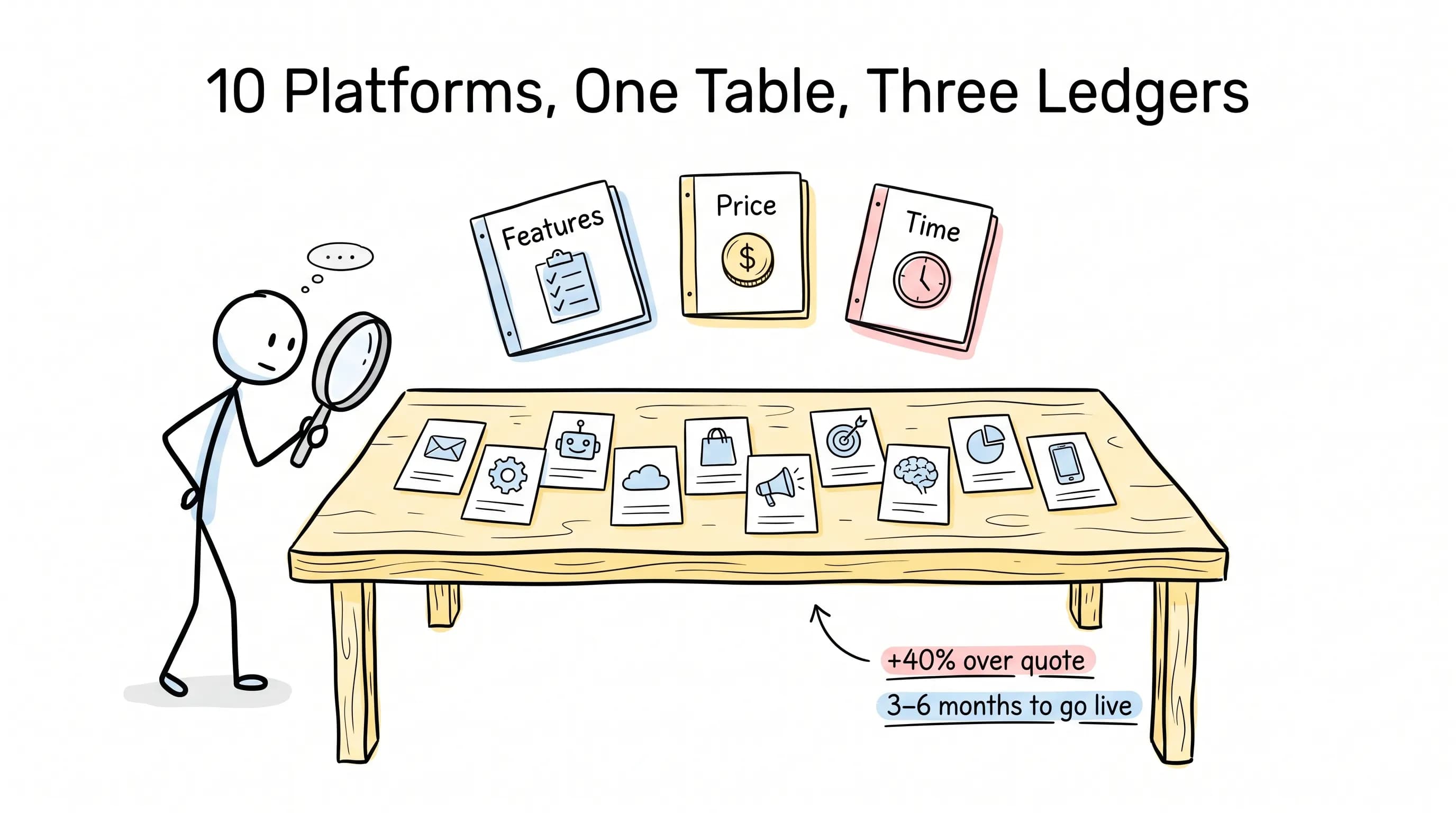
A 2026 comparison of 10 enterprise marketing platforms for e-commerce brands — Maestra, Insider One, Braze, Salesforce, Adobe, HubSpot, Bloomreach, Twilio Segment, Improvado, and Reply.io — covering pricing, implementation time, AI capabilities, loyalty, and Shopify integration.

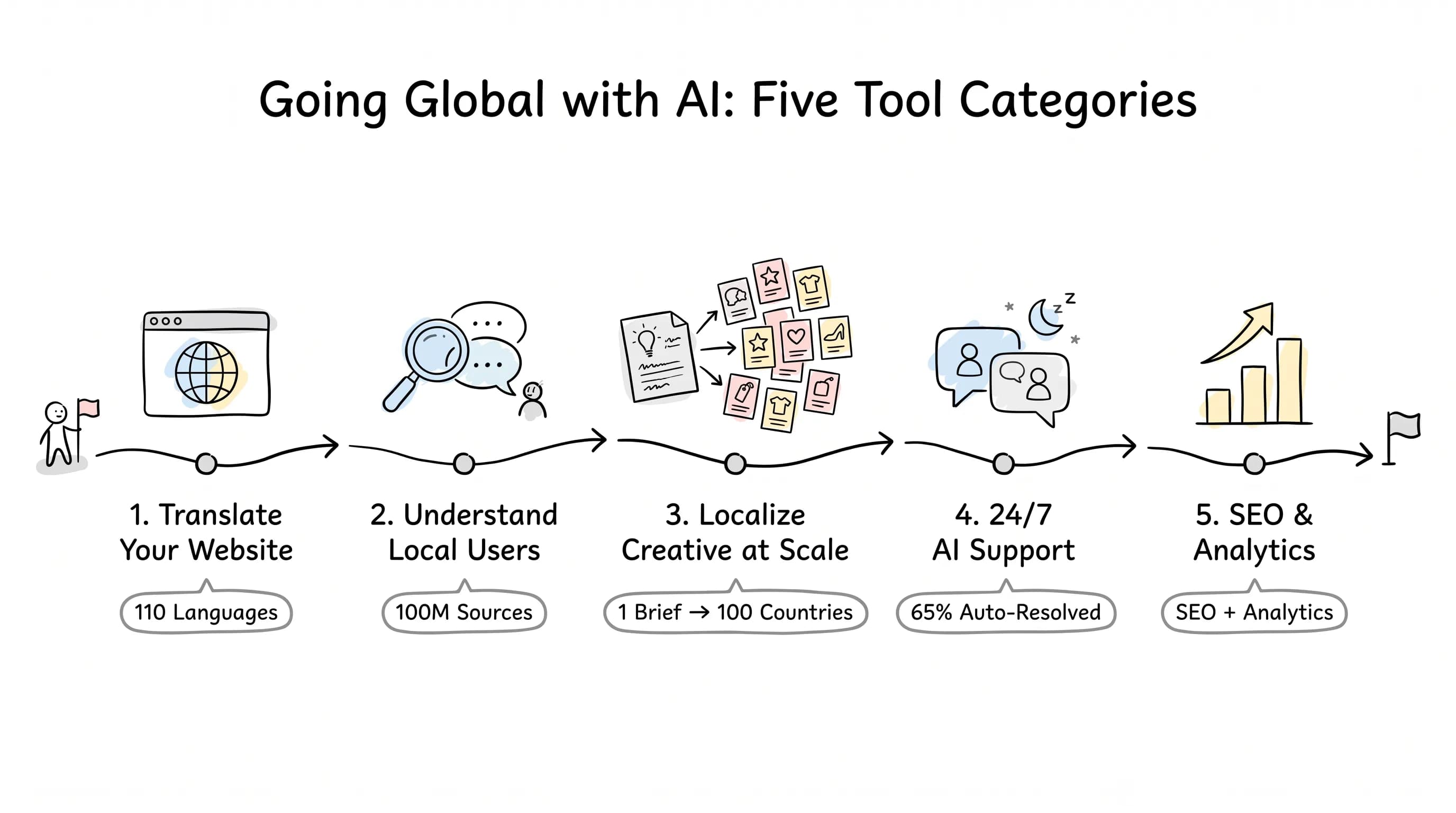
A 2026 roundup of five categories of AI tools for going global: website translation (Weglot, DeepL, Smartling), audience research (Brandwatch, Suzy, GWI), localized creative (Jasper, Celtra, Abyssale), multilingual support (Intercom Fin, Zendesk AI, Tidio), and SEO and analytics (Semrush, GA4, HubSpot).

A guide to choosing a B2B marketing automation platform, comparing HubSpot and Pardot on pricing structure, CRM integration, landing page and PPC gaps, and whether AI sits in the workflow or the reporting layer, ending with a five-step selection process.

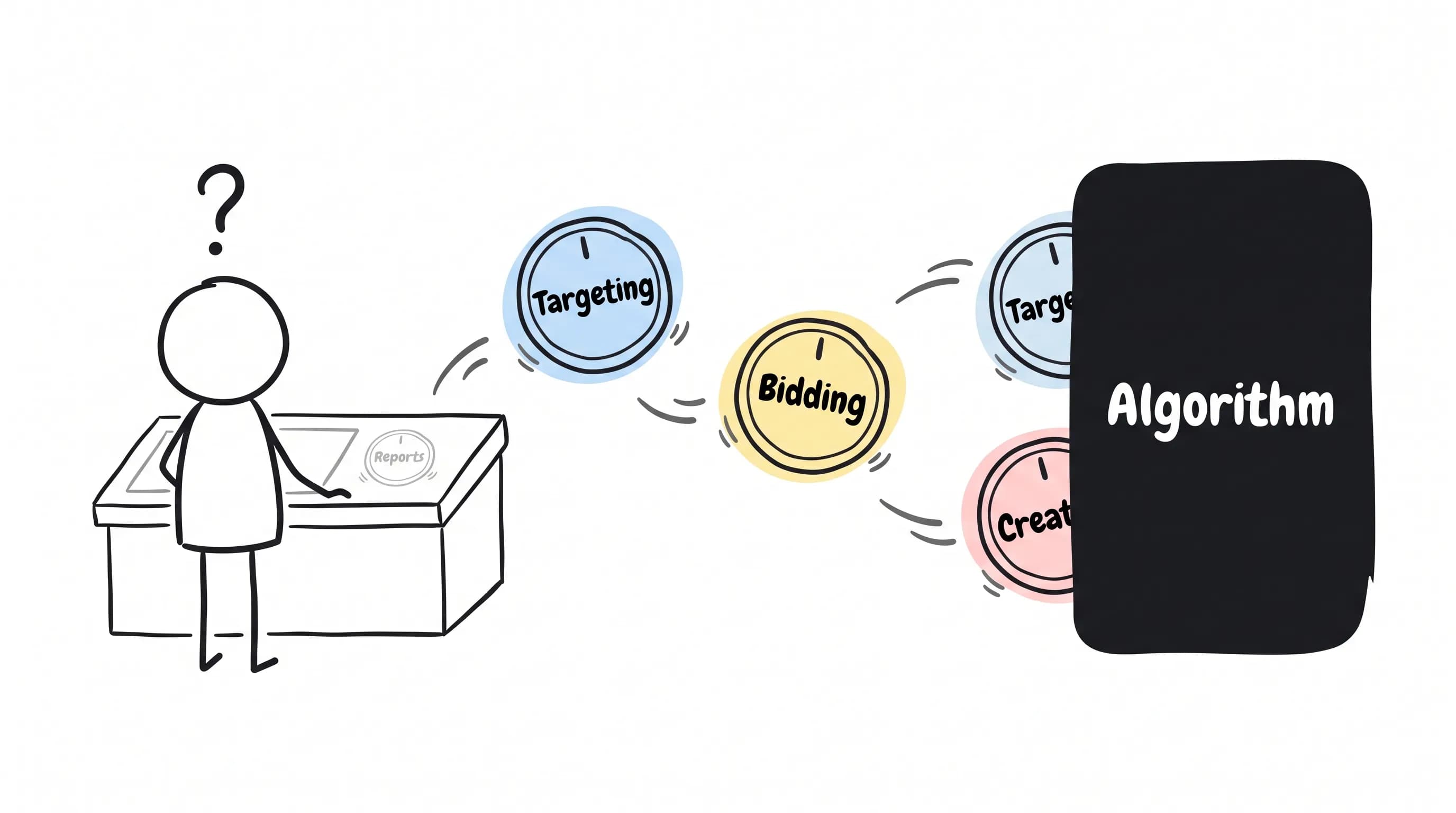
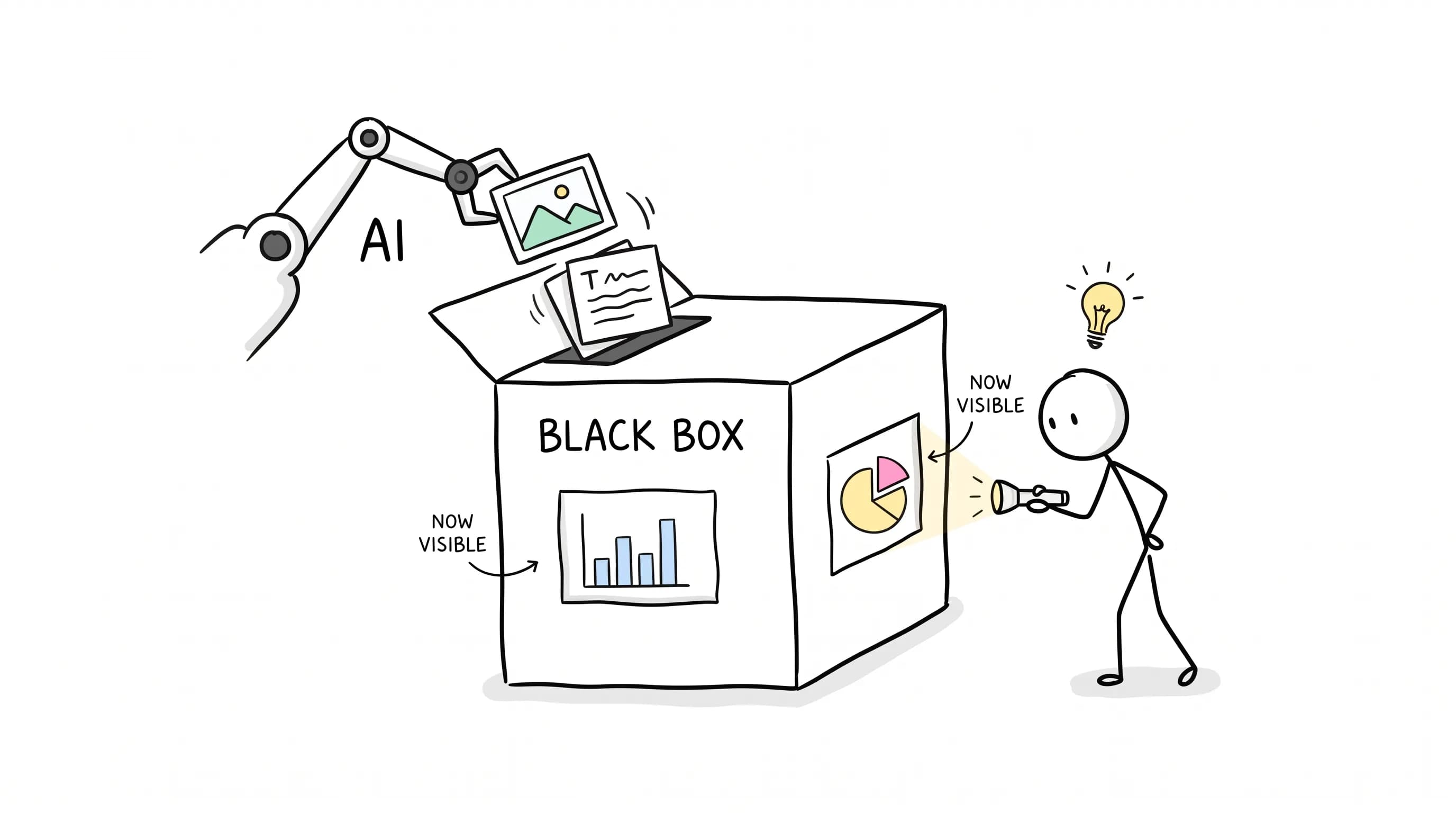
A learn article on how ad platform algorithms now run targeting, bidding, and creative allocation, turning campaigns into black boxes, and why marketers should focus on creative strategy, first-party data, and business constraints. It also covers AI search summaries and a free MarTech Conference on September 2.

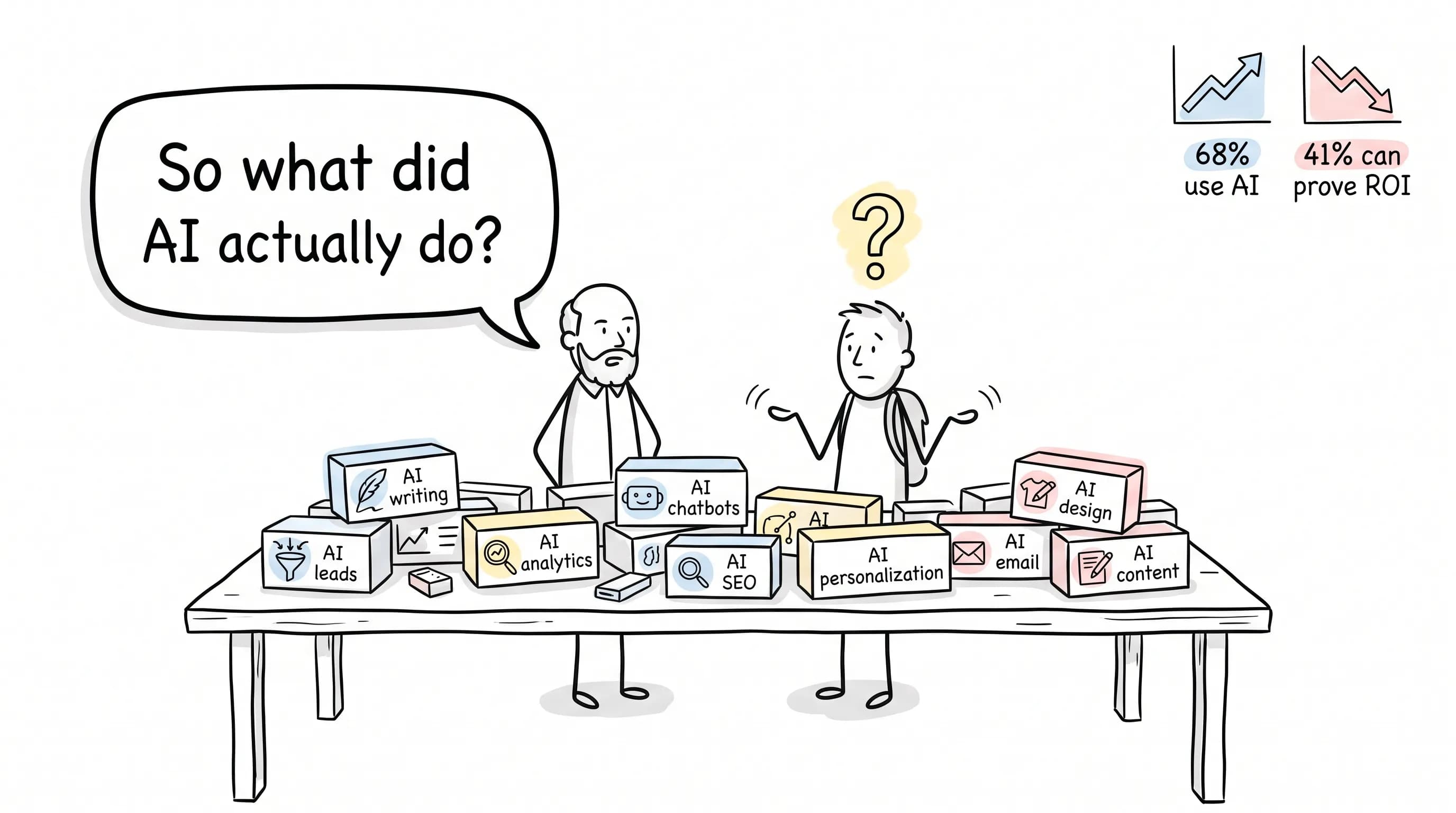
A data-cited analysis of AI in B2B marketing, covering rising tool adoption alongside falling confidence in proving ROI, the shift from individual leads to buying groups, common pitfalls such as unverified AI output, and advice to rebuild processes around key decisions rather than stacking tools.

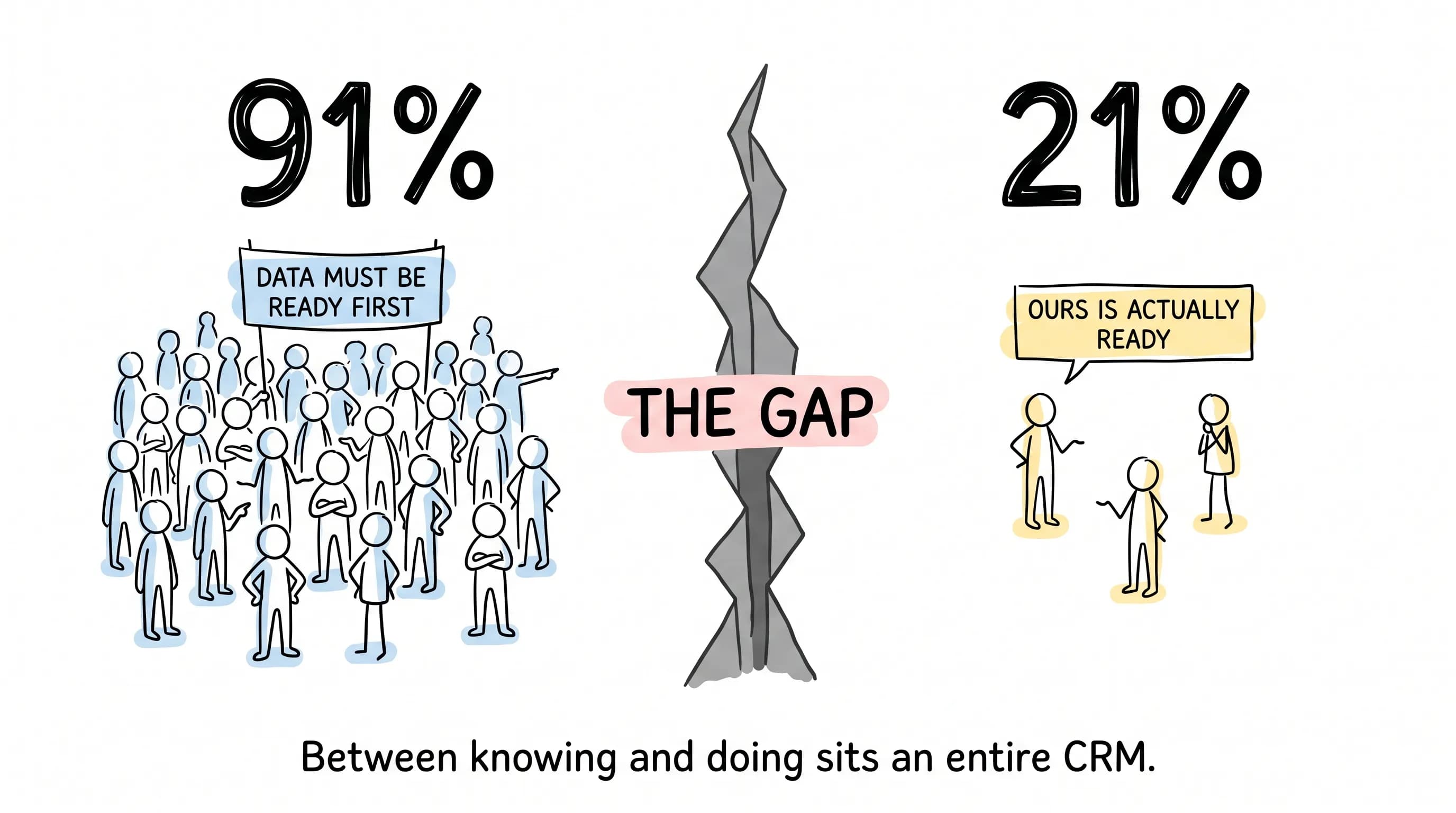
A learn article on why marketers hand decision-making to AI despite dirty CRM data, drawing on Validity's State of CRM Data Report 2026: 91% say data must be ready first, only 21% believe theirs is, and agentic AI now executes campaigns, budgets, and outreach with no human review.

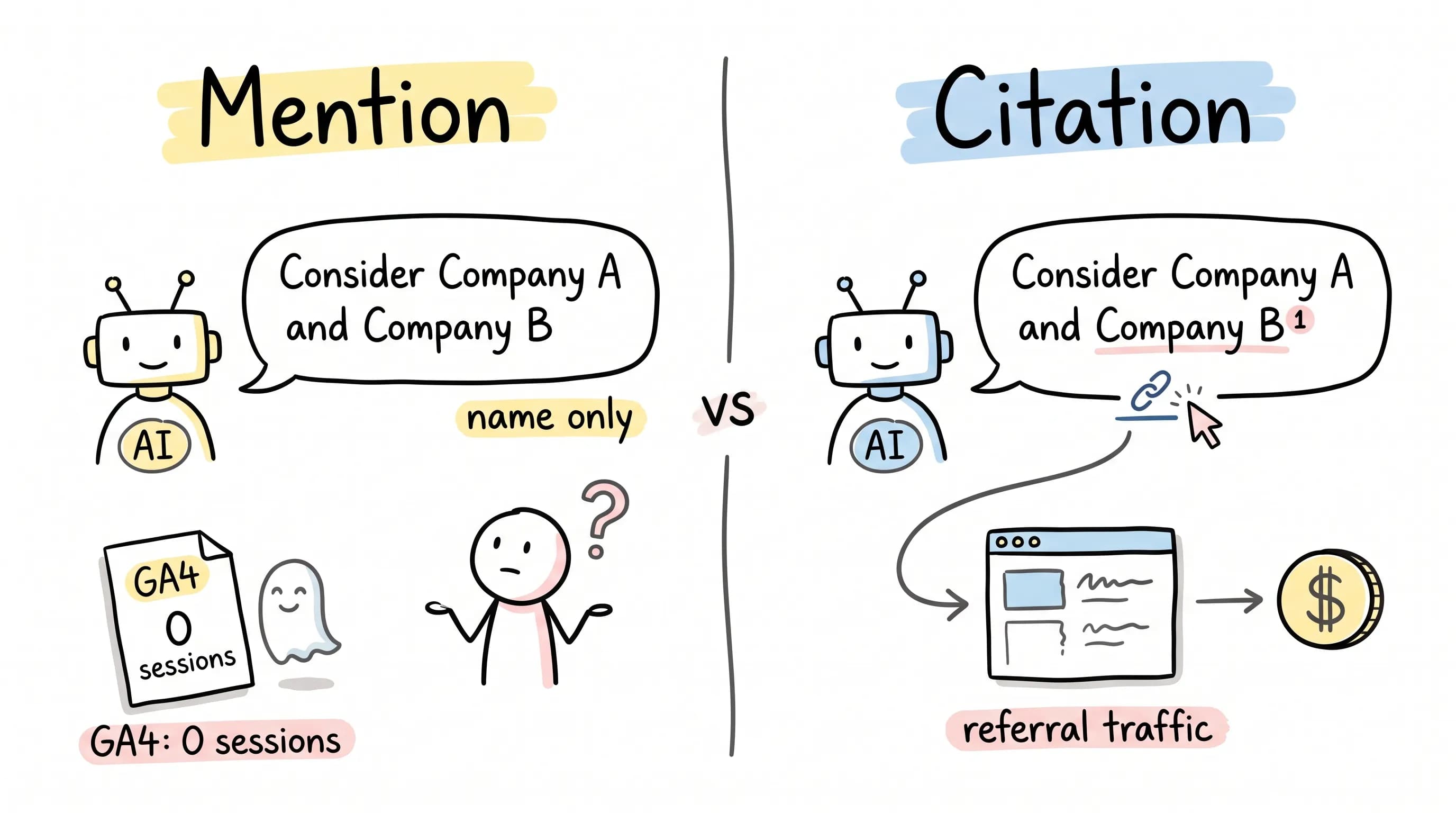
Explains the difference between AI mentions and citations in AEO, and how to measure mention rate and citation rate with a fixed weekly query scorecard. Covers GA4 setup for AI referral traffic, schema, E-E-A-T signals, and five steps to turn mentions into citations.

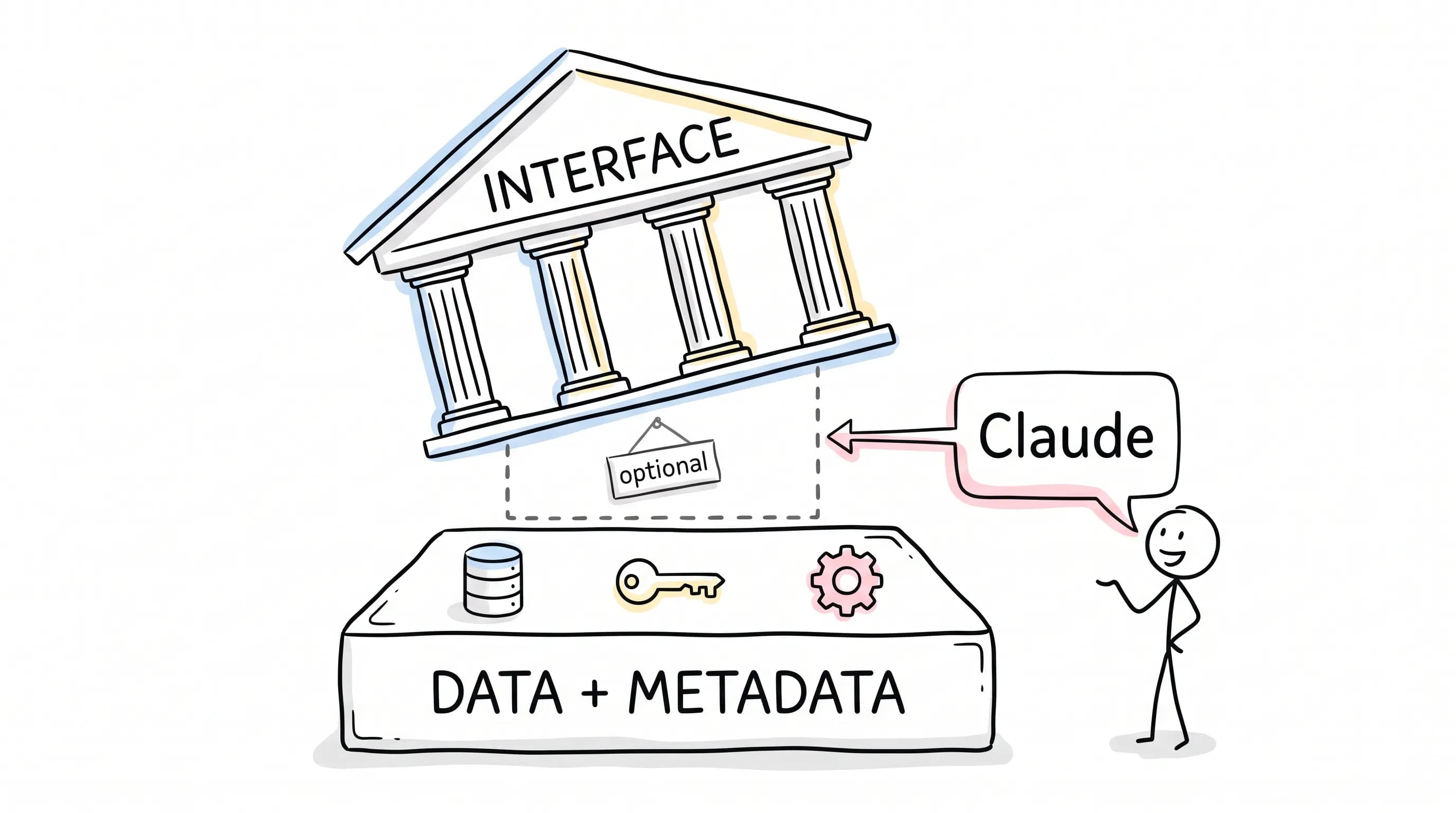
Salesforce and Anthropic announced Claudeforce; its first product, Salesforce in Claude, lets sales teams manage records, pipelines, and workflows in a Claude chat, with existing permissions and rules intact. It argues AI is becoming the enterprise software interface and expects pricing to move from seats to usage.

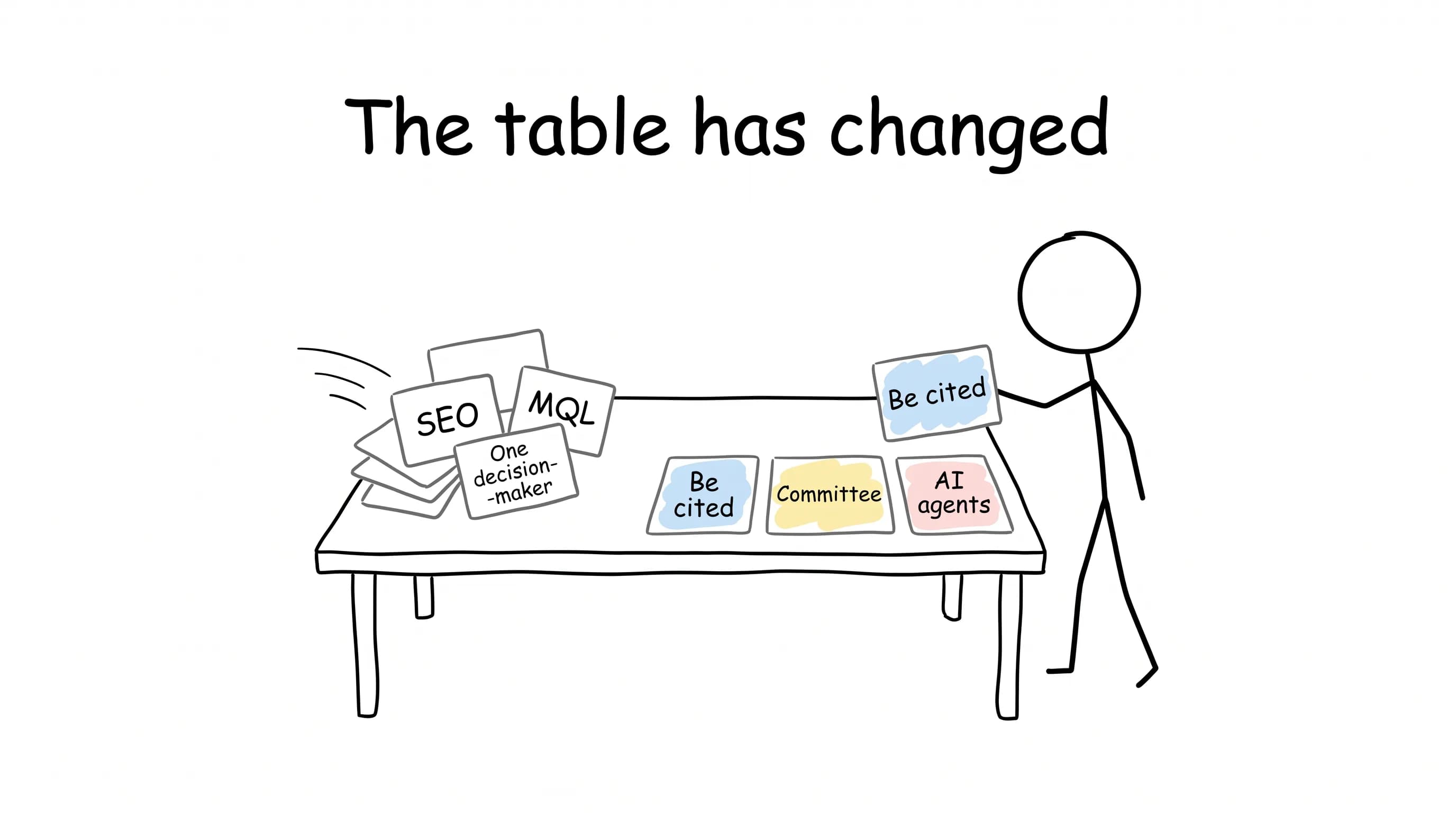
A learn article on how B2B marketing has changed: buyers now start research in AI tools, decisions have shifted to buying committees, AI is moving from advisor to executor, and measurement is moving beyond MQLs — with guidance on earning AI citations, ABM, data quality, and trust-based growth.

A learn article weighing the gains and risks of using generative AI in marketing, covering efficiency, copyright, accuracy, privacy, and the need for human review and judgment.

A learn article recaps a talk by Antsomi co-founder Dinh Le Dat on applying customer data platforms and AI marketing in cross-border e-commerce, covering personalization, conversion-rate optimization, abandoned-cart recovery, and lifecycle marketing tied to customer lifetime value.

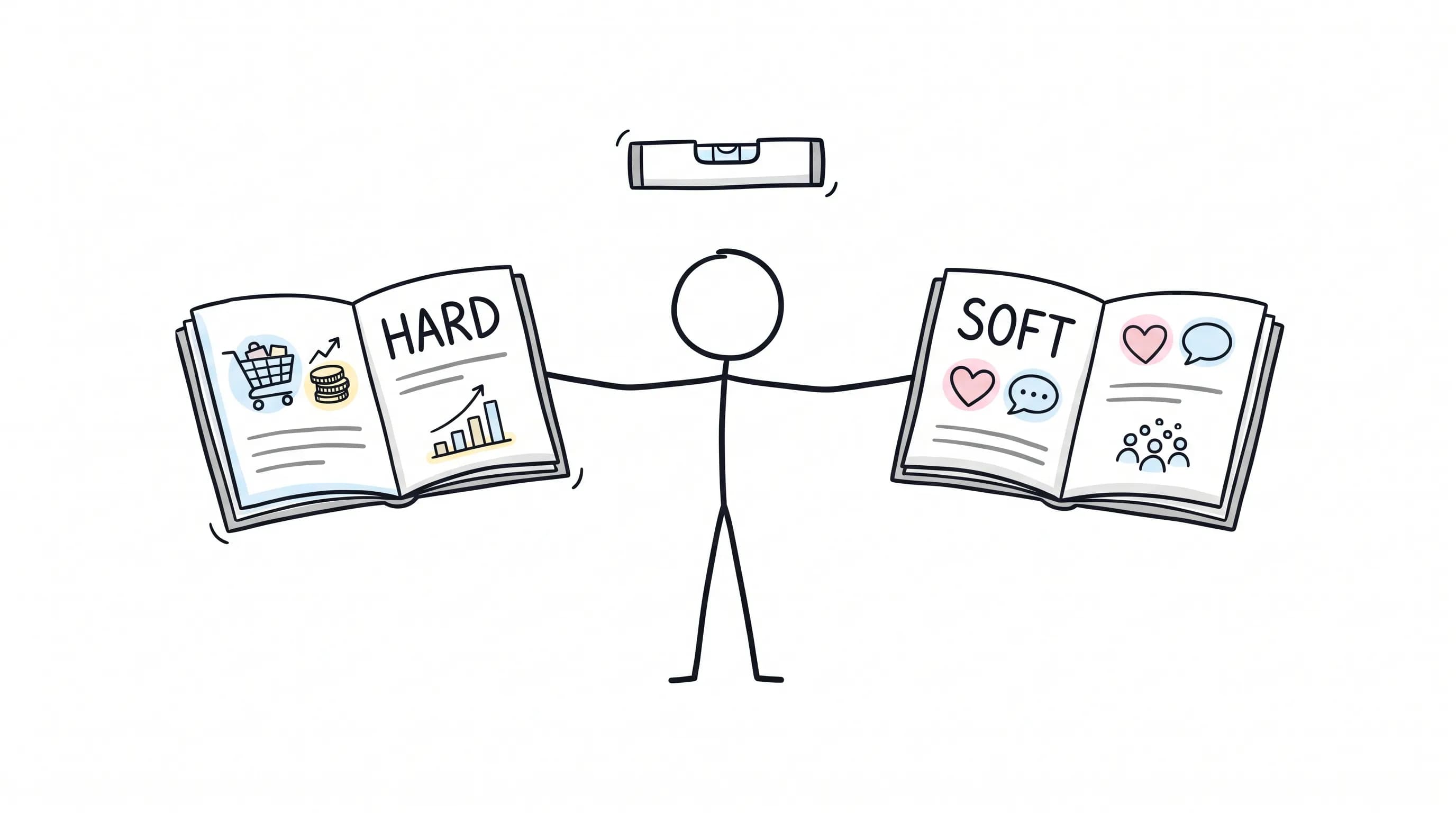
A bilingual learn article explaining influencer marketing ROI, using hard and soft metrics, and reviewing three brand case playbooks covering creator mix, authentic reviews, and campaign measurement.

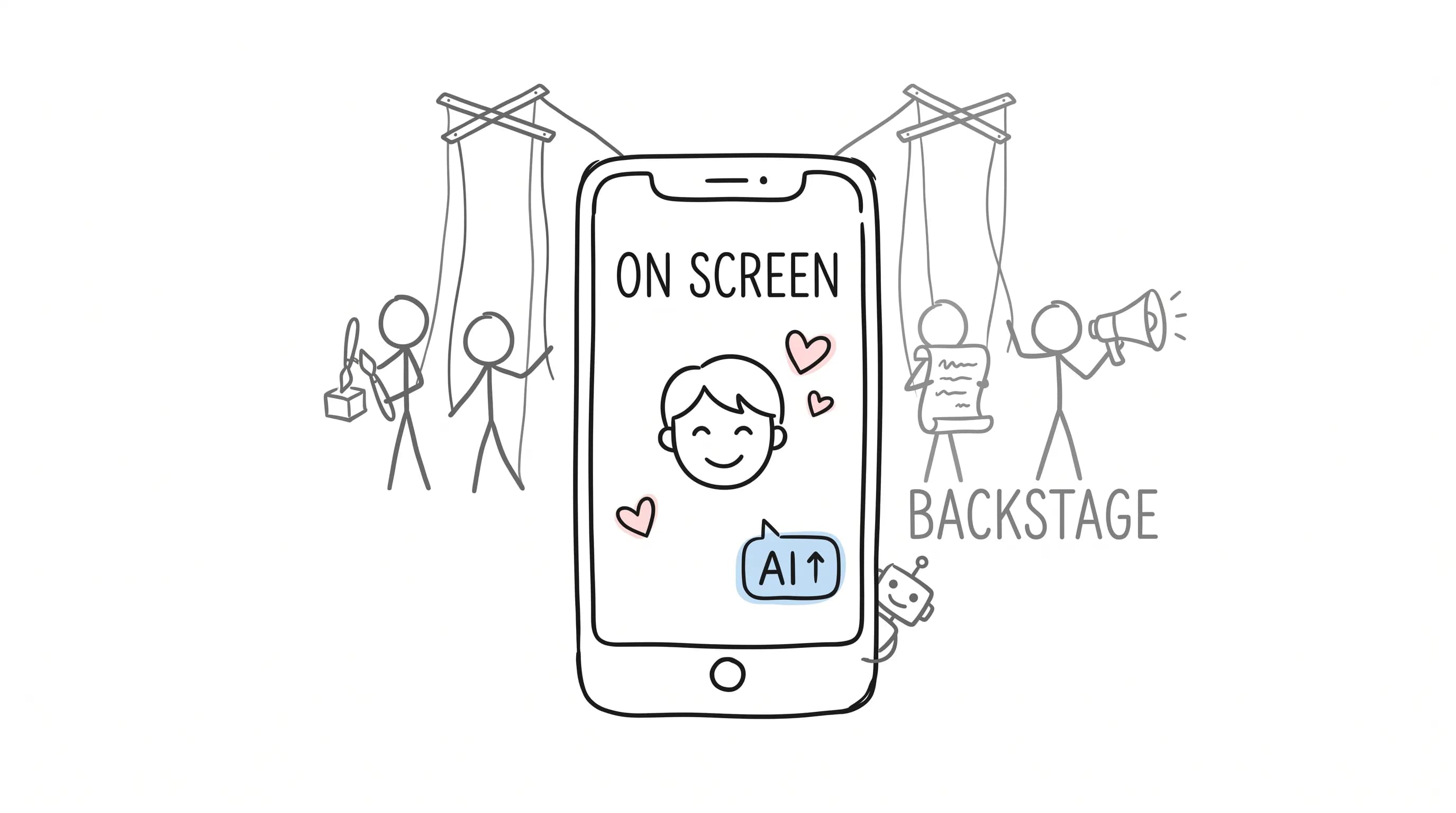
An explainer on AI (virtual) influencers: how code-based personas like Aitana Lopez and Lil Miquela are built and run by teams, why brands hire them, and the disclosure and trust challenges around synthetic content.

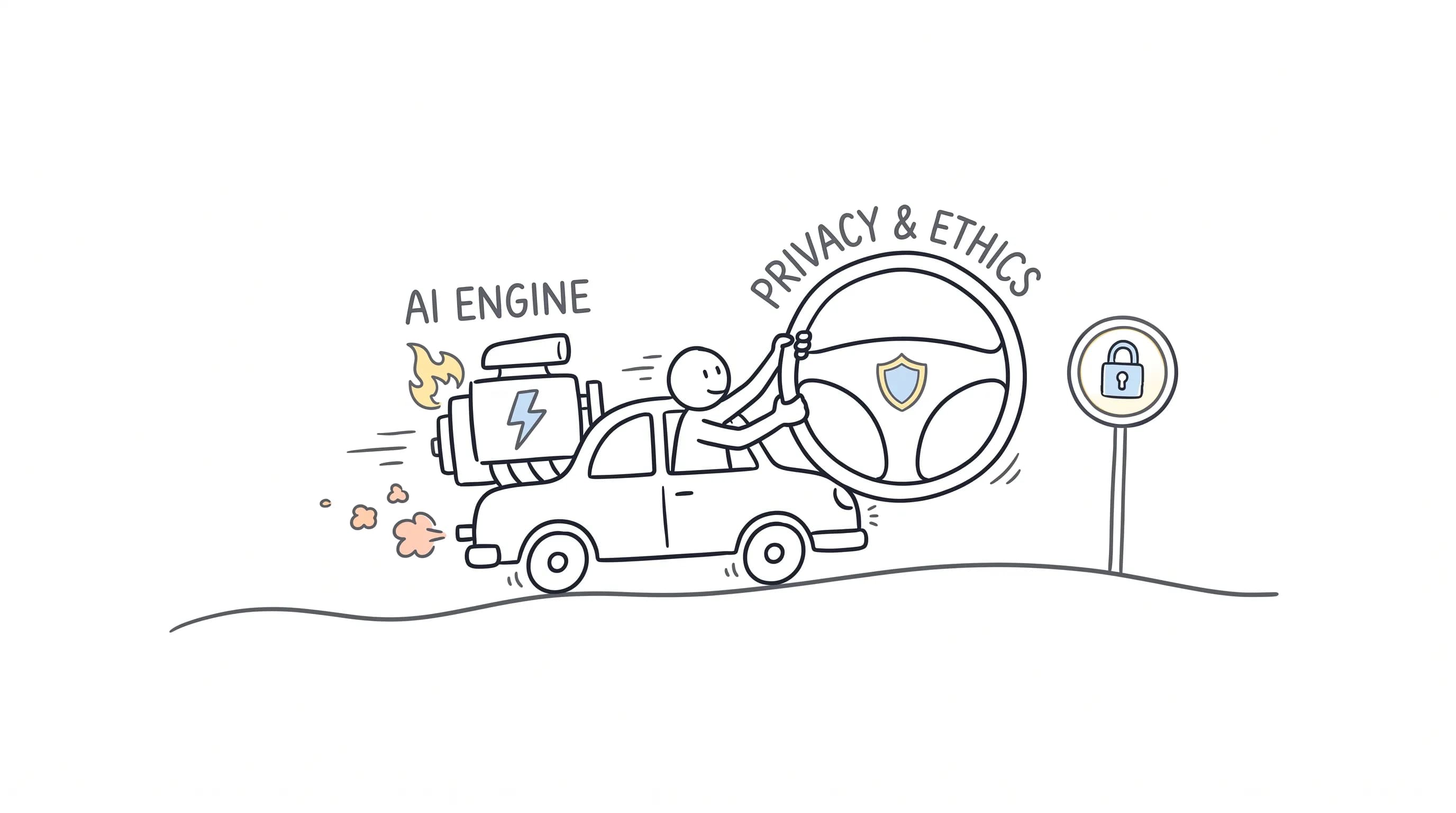
An educational article on data privacy and ethics in AI marketing, covering GDPR and CCPA penalty rules, user consent, anonymization and encryption practices, and the EU AI Act's risk-based oversight.

An article examining how AI is changing ad buying in Google Ads and Meta Ads, covering AI creative editing, Performance Max transparency features such as asset-level data and impression share, and Meta's personalized ad combinations, with discussion of the media buyer's shifting role toward judgment and strategy.

A while back, I came across a marketing case study from 2022.

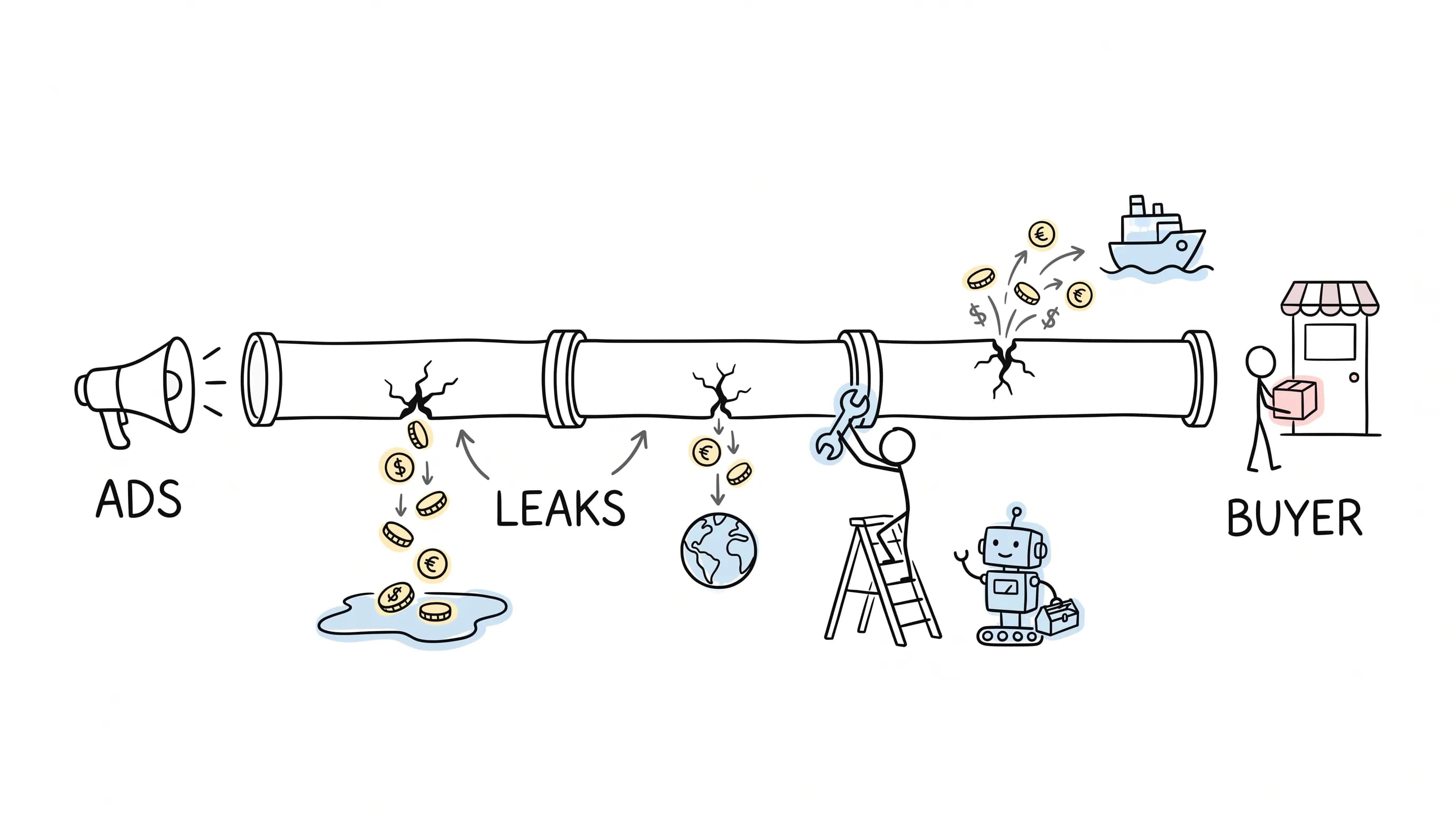
An overview of how AI is applied across the cross-border e-commerce chain, including localization, logistics, compliance, support, and demand forecasting. It outlines common cost and abandonment leak points and a phased rollout approach.

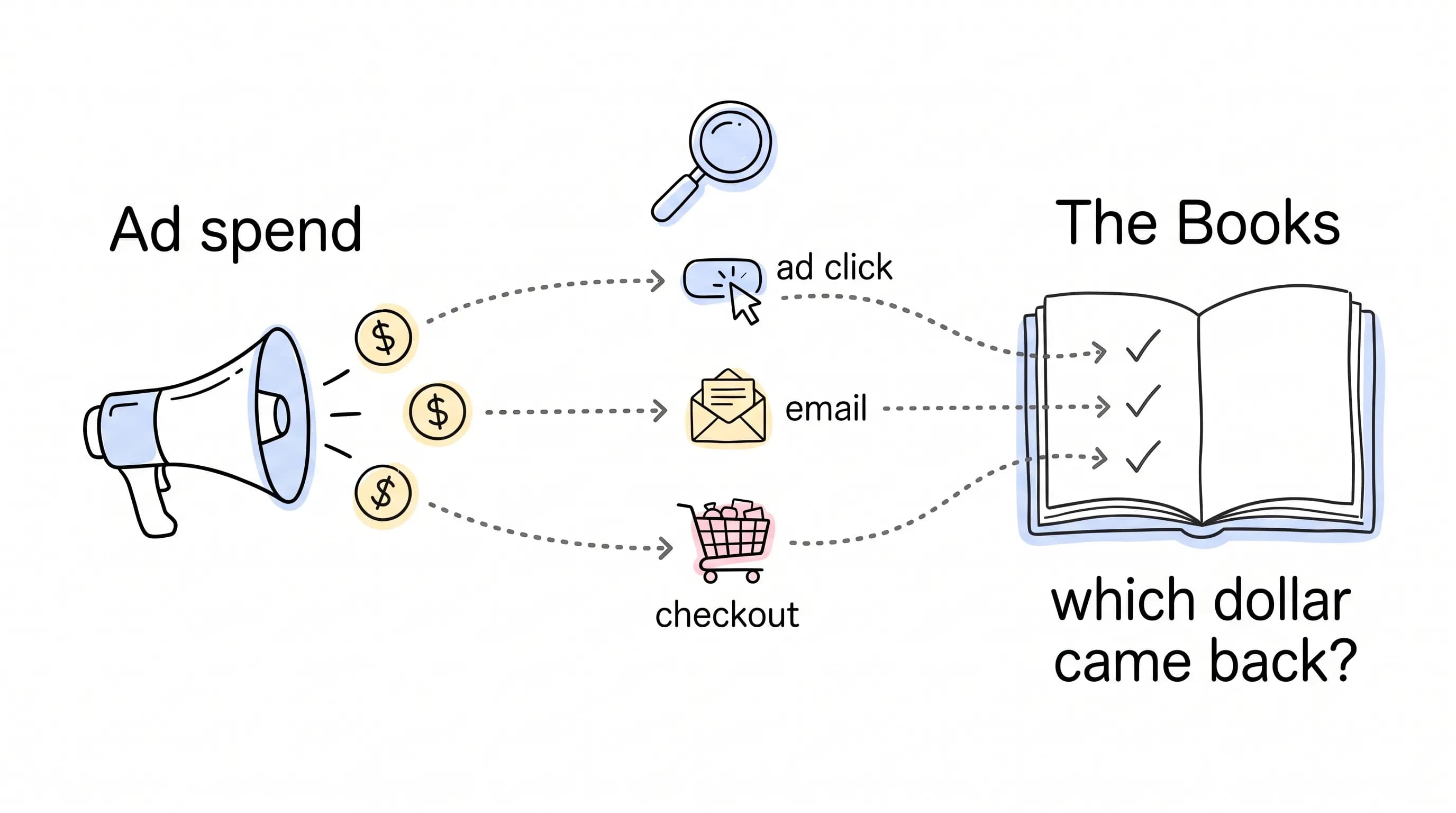
A learn article explaining Marketing Mix Modeling (MMM): how a Fortune 500 FMCG company consolidated siloed marketing data and applied AI models to measure channel contribution, with reported sales growth above 3% and profit growth above 5% on $100M+ spend without an added budget.

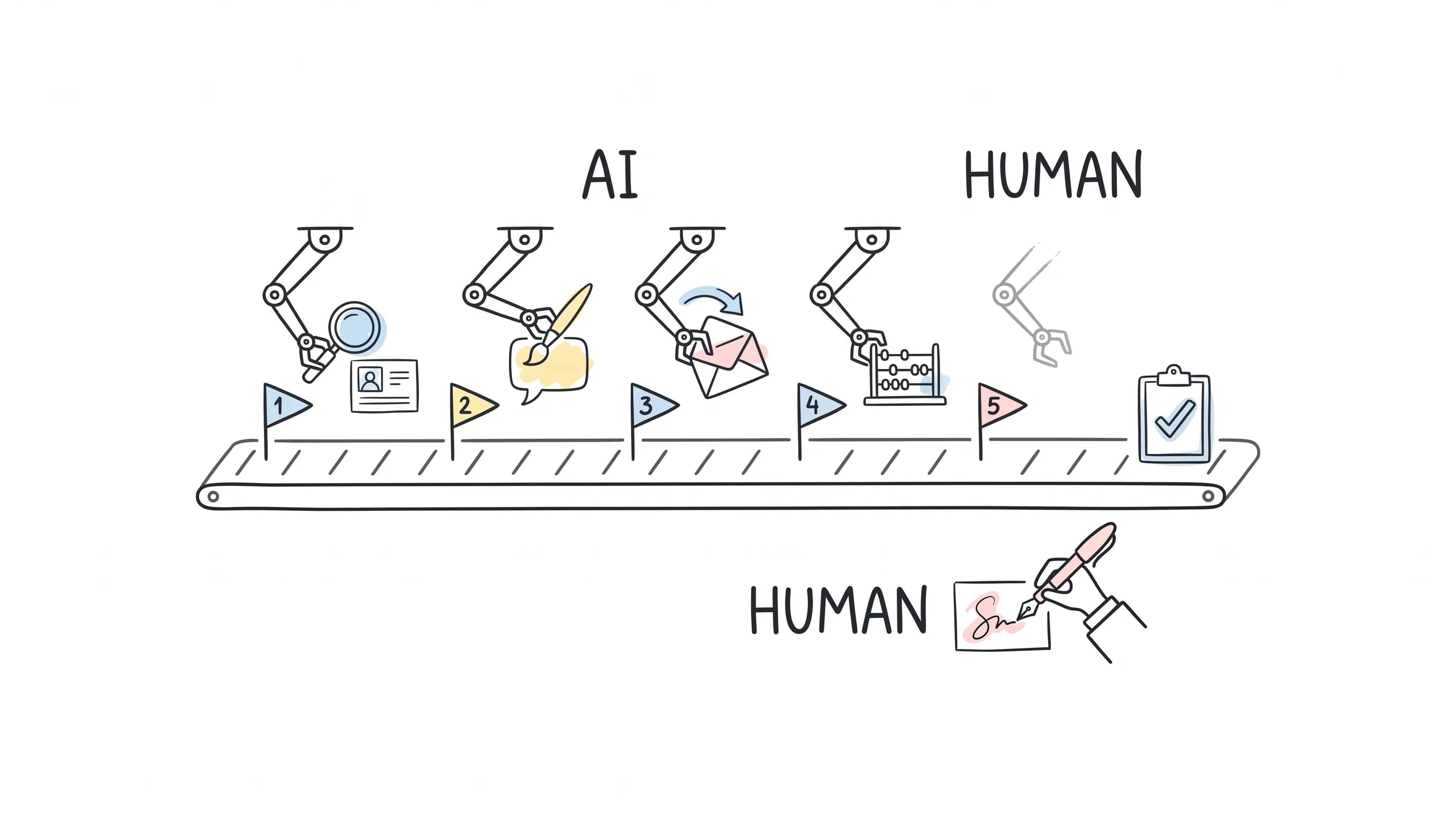
A bilingual article breaks European influencer marketing into five steps—creator selection, content decisions, outreach, measurement, and compliance—arguing that AI automates most of the workflow while humans retain final judgment and accountability.

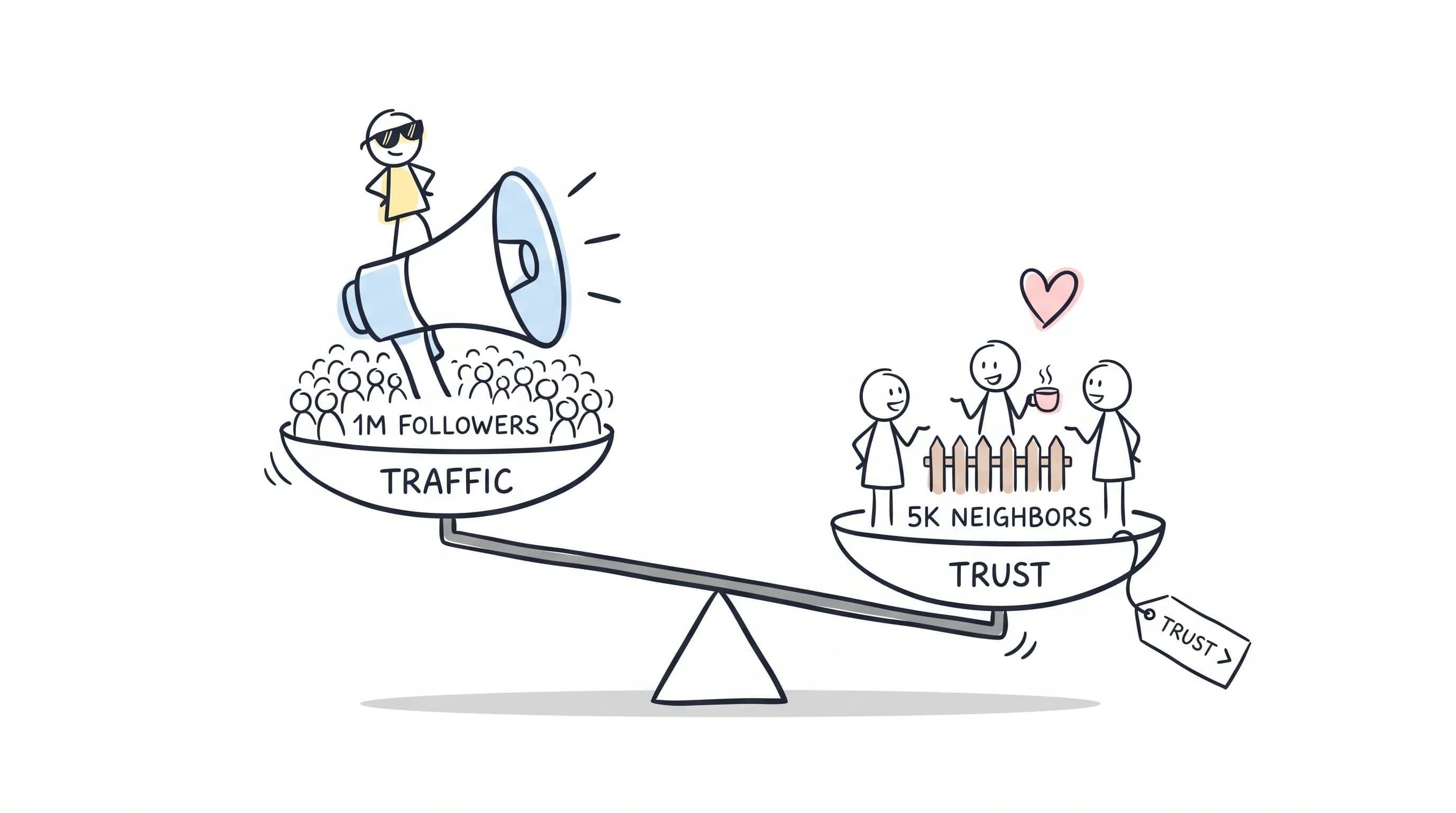
An overview of how European brands now measure influencer marketing by trust and conversions rather than follower counts, covering nano and micro creators, virtual influencers, and social commerce.

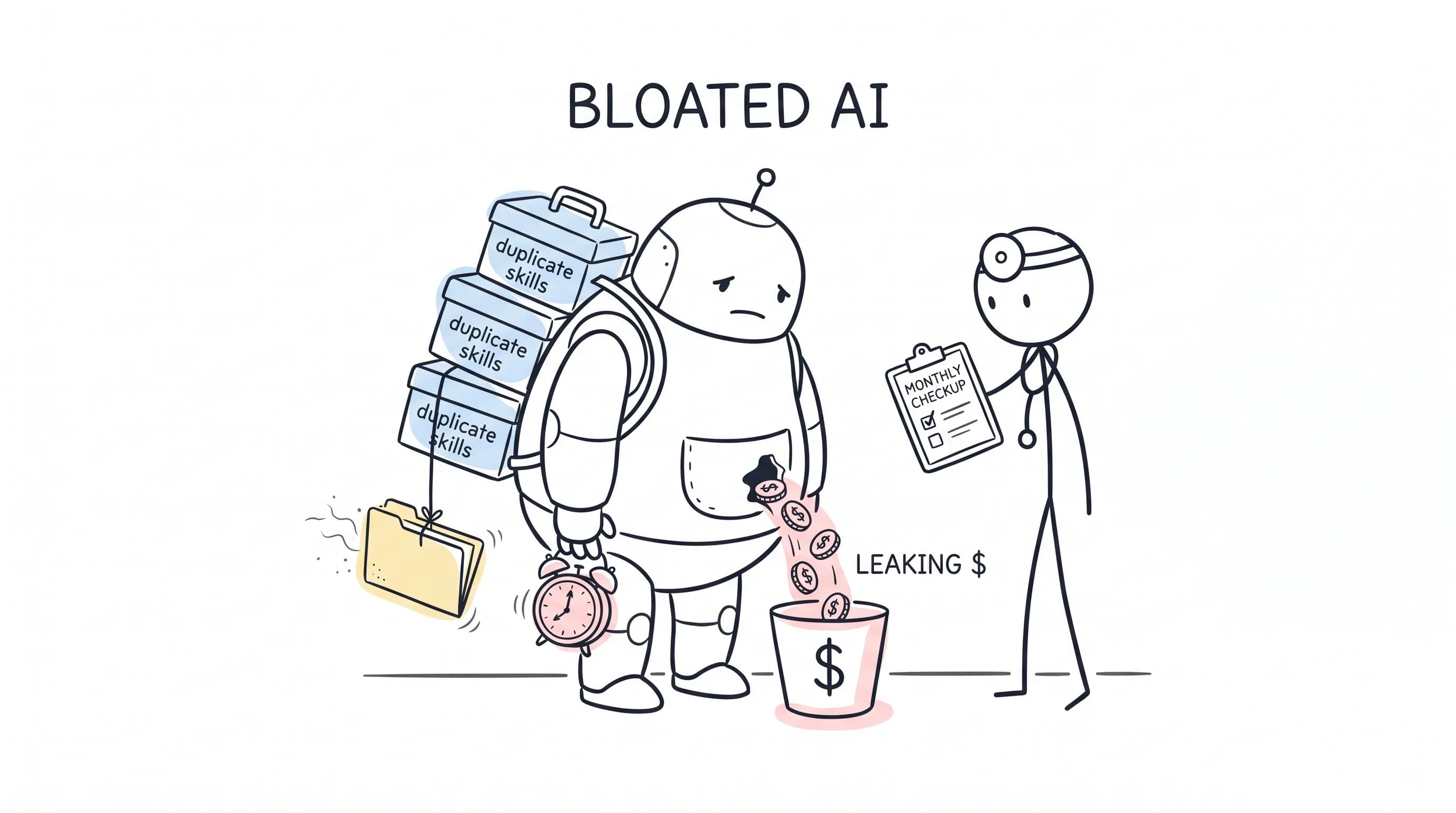
A learn article on auditing bloated AI workspaces to cut redundant skills, stale context, and scheduled tasks that raise costs, plus a voice-note content workflow and platform news including ChatGPT Ads in Europe, iMessage integration, and Google's Preferred Sources.